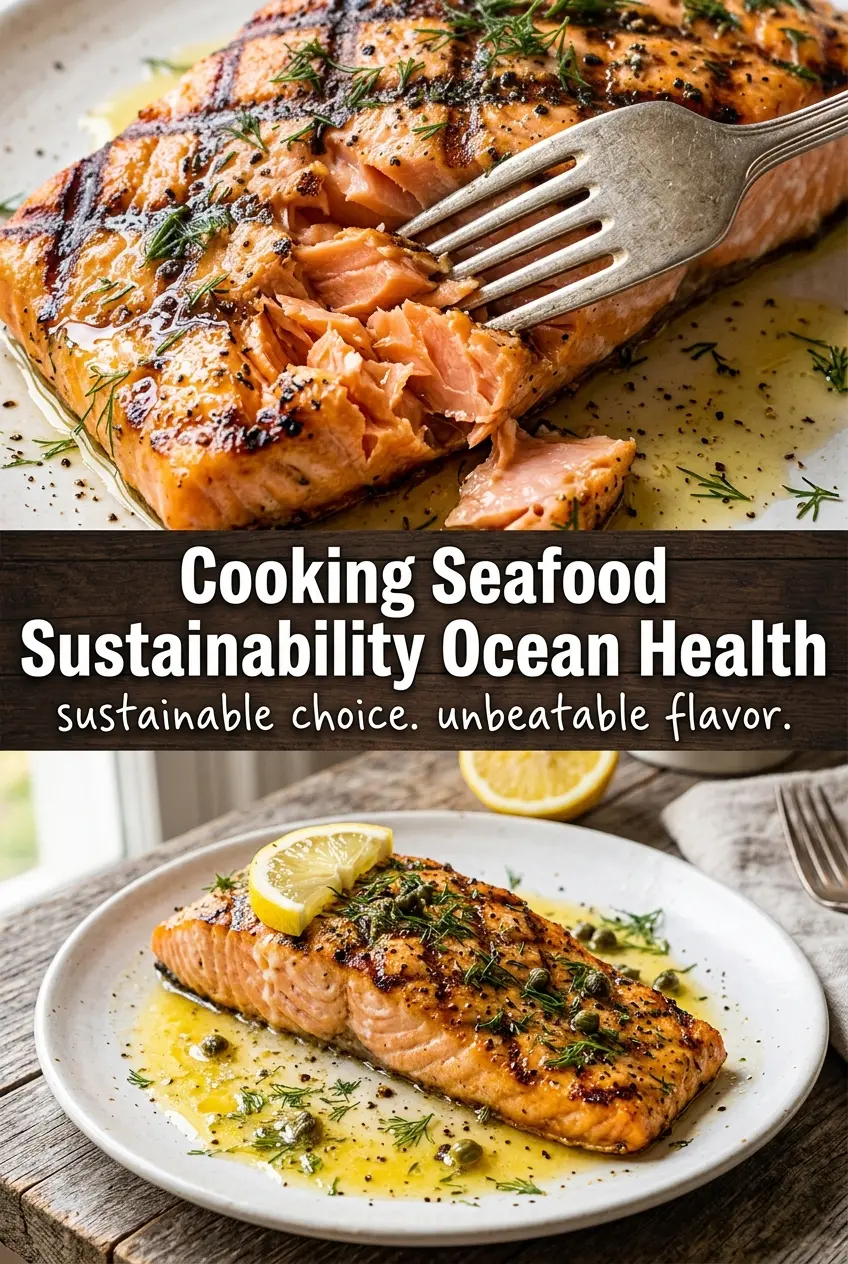
Perfectly grilled salmon should come off the grates with crisped skin, visible grill marks, and flesh that flakes in clean, juicy layers. The trick is not chasing dramatic char on every side. It’s giving the skin enough direct heat to protect the fish while the top finishes gently, so the center stays tender instead of drying out before the outside looks done.
This version keeps the seasoning short and smart: olive oil for heat and moisture, lemon juice for brightness, Dijon for a little backbone, and garlic for depth without overpowering the salmon. A short 15-minute rest is enough to season the surface and loosen up the flavor without turning the fish mealy. That matters more than a long marinade here, because salmon is delicate and can go soft fast if it sits too long in acid.
Below, I’ve included the timing cues I use when I want salmon that lifts cleanly off the grill, plus a few practical swaps and troubleshooting notes for different fillets, different grills, and the most common mistake people make with seafood over high heat.
The skin got crisp without sticking, and the salmon stayed moist even after the second side. I used the lemon and dill at the end like you suggested, and it tasted like something from a good restaurant.
Like this grilled salmon? Save it for the nights when you want crisp skin, tender flakes, and a fast main dish that cooks in minutes.
The Reason Grilled Salmon Sticks to the Grate Less Than You Think
Most grilled salmon problems start before the fish ever touches the fire. If the grates aren’t hot, clean, and oiled, the skin grabs immediately and tears when you try to move it. The second mistake is fussing with it too soon. Salmon releases naturally when the skin has browned and firmed up, which is your signal that the crust has set enough to flip without ripping.
The skin-side-down method does more than prevent sticking. It gives the fillet a protective layer against direct heat, so the top cooks through more gently while the bottom develops structure. If your salmon tends to dry out, the issue is usually overcooking after the flip. A couple of minutes on the second side is enough for most 6-ounce fillets.
- Hot, oiled grates — This is the difference between a clean release and fish left behind on the grill. Brush the grates, not just the fish.
- Skin-side-down start — The skin shields the flesh and helps the salmon hold together while it cooks.
- Short second side — Once the flesh has turned opaque about three-quarters of the way up, it only needs a brief finish.
What the Marinade Is Actually Doing Here
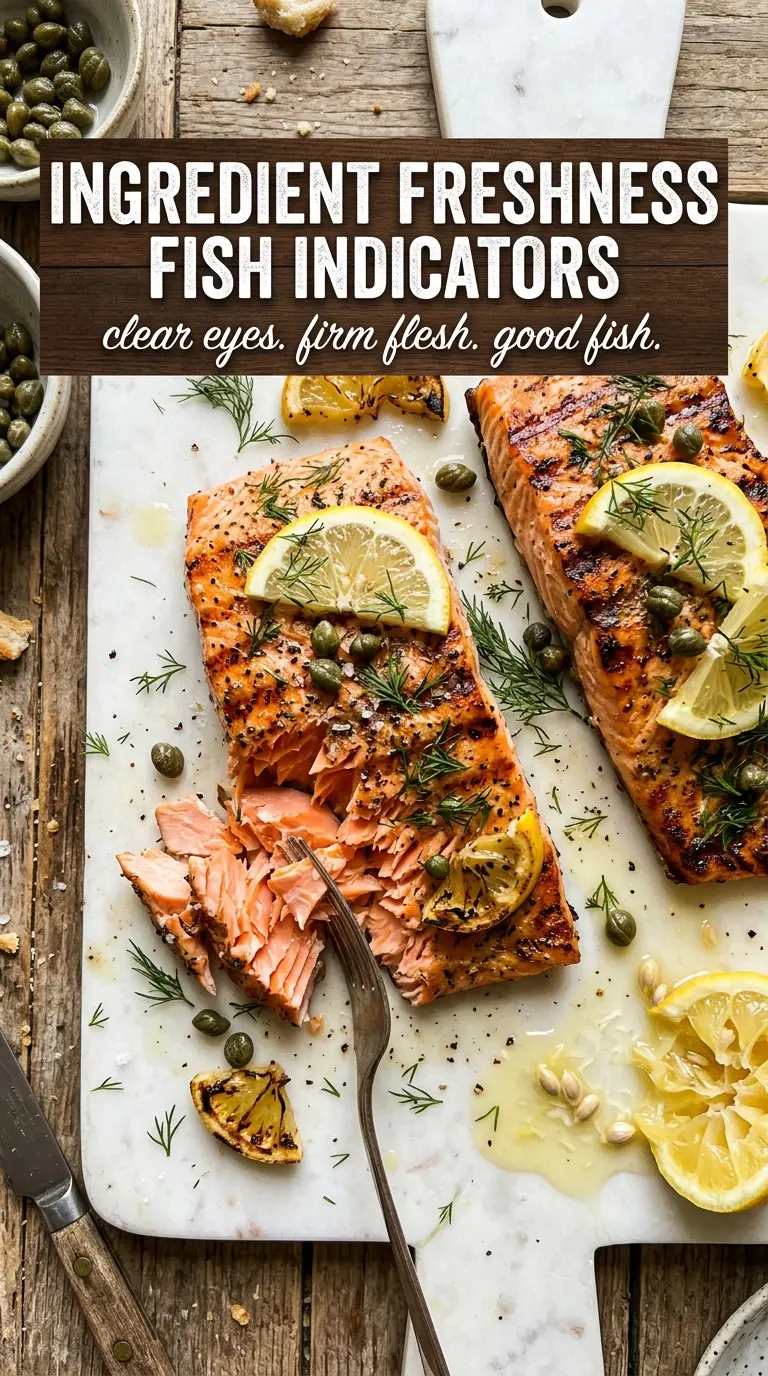
- Olive oil — Coats the fish so the surface doesn’t dry out as quickly over direct heat. Use a good everyday olive oil; the expensive bottle isn’t necessary here.
- Lemon juice — Adds brightness and helps season the surface, but keep the marinating time short. Too much time in acid can make the exterior soft.
- Dijon mustard — Gives the marinade a little body and helps it cling to the fillets. It doesn’t make the fish taste mustardy; it just rounds everything out.
- Garlic — Fresh minced garlic gives the salmon a savory edge. If you swap in garlic powder, use about half as much and expect a flatter, less aromatic result.
- Skin-on salmon — Skin-on fillets are the best choice for grilling because the skin helps hold the fish together and protects it from the heat.
Grilling Salmon in the Sweet Spot Between Undercooked and Dry
Mixing the Marinade
Stir the olive oil, lemon juice, garlic, Dijon, salt, and pepper until the mixture looks glossy and slightly thickened. That emulsion helps it coat the fish instead of running straight off. Brush it over the salmon and let the fillets rest for 15 minutes, no longer. If they sit much longer, the acid starts changing the texture before the grill ever gets involved.
Preheating and Oiling the Grill
Heat the grill to medium-high and let it get properly hot before the salmon goes on. Then oil the grates well. If the grill is only lukewarm, the skin won’t set fast enough and the fish will cling. You want a sizzle as soon as the fillets hit the metal, not a lazy hiss.
Starting Skin-Side Down
Lay the salmon on the grill skin-side down and leave it alone for 6 to 8 minutes. Don’t pry at it early. The fish will tell you when it’s ready to move: the color will turn opaque from the bottom up, the skin will look crisp, and the fillet will lift without resistance. If it sticks, it’s not ready yet.
The Quick Finish
Flip the fillets carefully and grill for 2 to 3 minutes more, just until they reach your preferred doneness. The center should still look slightly translucent if you like it juicy; it will keep cooking after it comes off the grill. Pull it early rather than late. Salmon goes from perfect to dry fast, and carryover heat finishes the job.
How to Change This Without Losing the Texture
Dairy-Free, Naturally
This recipe already fits a dairy-free diet, which is part of why it works so well on busy nights. The olive oil gives you richness without needing butter, and the lemon keeps the flavor bright and clean.
No Grill, Same General Idea
Use a well-oiled grill pan or cast-iron skillet over medium-high heat if you can’t grill outdoors. You’ll still get browning and good texture, but you won’t have the smoky edge or the same skin crispness.
Swap the Herbs
Dill is classic with salmon, but parsley, chives, or tarragon all work. Dill gives you that clean, slightly grassy finish that plays best with lemon, while tarragon reads a little more anise-like and parsley stays mild.
Storage and Reheating
- Refrigerator: Store leftovers in an airtight container for up to 2 days. The skin will soften, but the fish stays good for salads or grain bowls.
- Freezer: Grilled salmon can be frozen, but the texture softens after thawing. Wrap tightly and freeze for up to 1 month if you need to save it.
- Reheating: Warm it gently in a low oven, covered loosely with foil, until just heated through. High heat dries out salmon fast, and the microwave tends to overcook the edges before the center warms.
Questions I Get Asked About This Recipe
The Best Grilled Salmon
Ingredients
Equipment
Method
- Mix olive oil, lemon juice, garlic, Dijon mustard, salt, and pepper until combined and smooth.
- Brush the salmon with the marinade, coating the flesh and keeping the skin-side intact for crisping. Let sit for 15 minutes (resting cue: marinade clings and the surface looks glossy).
- Preheat the grill to medium-high heat and oil the grates well so the skin doesn’t stick (visual cue: grates look lightly slick, not dry).
- Place the salmon skin-side down on the grill carefully. Grill for 6-8 minutes skin-side down without moving to build crispy skin and clear grill marks (visual cue: edges turn opaque).
- Carefully flip the salmon and grill for 2-3 minutes until cooked to desired doneness (visual cue: flesh flakes easily and looks just-set in the center).
- Serve immediately with fresh dill and lemon wedges to brighten the flavor (visual cue: dill scattered on top and lemon wedges at the side).