Sun-dried tomato pasta salad hits that sweet spot between bright and substantial. The pasta carries the vinaigrette, the feta gives each bite a salty creaminess, and the sun-dried tomatoes bring a deep, concentrated sweetness that makes the whole bowl taste more developed than the short ingredient list suggests. It’s the kind of side dish that disappears first at a cookout and still feels sturdy enough to pack for lunch the next day.
What makes this version work is balance. The dressing leans on red wine vinegar and olive oil, so it stays sharp without turning heavy, and the pasta gets rinsed cold so it doesn’t soak up all that flavor before the salad chills. Chopping the spinach keeps it from clumping, and draining the sun-dried tomatoes well keeps the dressing from getting greasy. A full rest in the fridge matters here; the pasta needs time to absorb the herbs and garlic.
Below you’ll find the small details that keep the feta from disappearing, the best way to season it after chilling, and a few smart swaps if you want to change the texture or make it dairy-free.
I let it chill for an hour like you said, and the dressing soaked into the pasta instead of sitting at the bottom. The feta stayed in little salty pockets and the olives gave it just enough bite. I’ve already made it twice for lunches this week.
Save this sun-dried tomato pasta salad for the days when you need a chilled Mediterranean side with feta, olives, and a punchy herb vinaigrette.
The Part Most Pasta Salads Get Wrong: Flavor Before Chill
The mistake with pasta salad is treating it like a dressed-up bowl of plain noodles. Pasta needs seasoning while it’s still capable of absorbing it, which means the dressing has to be assertive enough to survive the chill. If the vinaigrette tastes just barely seasoned when you whisk it together, it will taste flat after an hour in the fridge.
Rinsing the pasta under cold water stops the cooking and cools the surface fast, but it also washes away some of the starch that helps dressing cling. That’s fine here because the salad has feta, olives, and chopped spinach to carry the texture. The key is tossing it once, chilling it, then tossing again before serving so the oil, vinegar, and herbs redistribute instead of settling at the bottom.
- Red wine vinegar — This is what keeps the salad bright. Lemon juice can work in a pinch, but it changes the character and reads sharper and less Italian.
- Sun-dried tomatoes in oil — The oil-packed kind bring more depth and a softer chew. If you use dry-packed tomatoes, soak them in hot water for 10 minutes, then drain well and add a little extra olive oil to the dressing.
- Feta — Use a block and crumble it yourself if you want cleaner, firmer pieces. Pre-crumbled feta works, but it tends to be drier and breaks apart more easily.
- Spinach — Chop it before adding it so the leaves weave through the pasta instead of clumping into big ribbons. Baby spinach is fine; mature spinach should be stripped from the stems first.
What Each Ingredient Is Doing in the Bowl
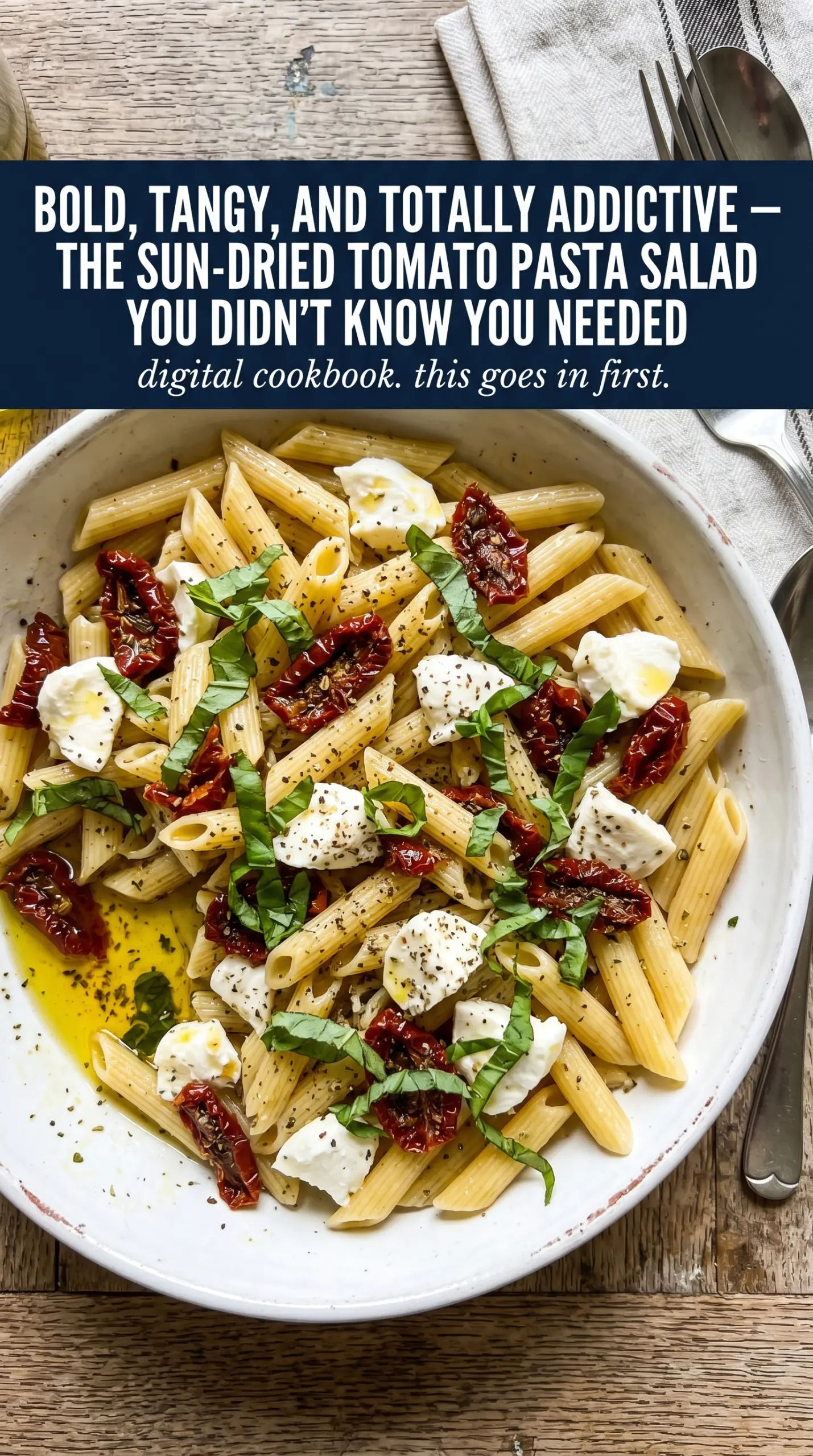
- Rotini or penne — These shapes catch the dressing in the ridges and keep the salad from feeling slick. Rotini holds a little more vinaigrette in every twist, while penne gives a cleaner bite.
- Olive oil — Use one you’d actually like on a salad. Since the dressing is uncooked, the oil’s flavor matters more here than it does in a hot pan.
- Garlic — Minced garlic gives the dressing its backbone, but raw garlic can take over if it sits too long. If you’re sensitive to that bite, grate it on the finest side of a box grater so it disperses more evenly.
- Dried oregano and basil — These herbs bloom in the dressing and taste fuller after the rest time. Fresh herbs can be used, but they bring a greener, lighter note instead of the more pantry-style Mediterranean flavor this salad leans on.
- Kalamata olives — They add salt and a briny finish that keeps the bowl from tasting one-note. Slice them so you get their flavor in more bites instead of having a few very olive-heavy forkfuls.
Building the Salad So the Dressing Stays Balanced
Whisking the Vinaigrette First
Start with the dressing before the pasta goes into the bowl. Whisk the olive oil, vinegar, garlic, oregano, basil, salt, and pepper until it looks slightly thickened and the garlic is evenly suspended. If the garlic sits in one spot or the herbs float only on top, it hasn’t been mixed well enough and you’ll get uneven seasoning later.
Cooling the Pasta the Right Way
Cook the pasta until just tender, then drain and rinse under cold water until the noodles are no longer warm to the touch. That stops carryover cooking and keeps the pasta from softening into mush while it chills. Drain it well after rinsing; extra water in the bowl dilutes the vinaigrette and leaves the salad dull.
Tossing Without Crushing the Feta
Add the pasta, tomatoes, spinach, olives, and feta to a large bowl, then pour the dressing over and toss gently. Use a lifting motion instead of stirring hard, because aggressive mixing turns the feta into dust and bruises the spinach. The salad should look evenly coated, not wet or mashed.
The Chill That Changes the Flavor
Cover and refrigerate for at least an hour. That resting time lets the pasta absorb the dressing and gives the garlic and herbs time to settle in. Right before serving, toss again and taste; chilled pasta usually needs one more pinch of salt or a splash of vinegar to wake it back up.
Three Ways to Adjust This Pasta Salad Without Losing What Makes It Good
Make it dairy-free
Skip the feta and add a handful of chopped artichoke hearts or extra olives for salt and body. You’ll lose the creamy, tangy pockets of cheese, so the salad will taste sharper and leaner, but the sun-dried tomatoes and vinaigrette still carry it well.
Swap the pasta for a gluten-free version
Use a sturdy gluten-free rotini or penne and cook it just to tender, not soft. Gluten-free pasta can go gummy if it sits in hot water too long, so rinse it promptly and toss it with the dressing as soon as it’s cool and drained.
Turn it into a fuller main dish
Add chickpeas, grilled chicken, or chopped salami if you want more protein and a little more heft. Chickpeas keep the Mediterranean feel and stay best for make-ahead lunches, while chicken makes it more of a meal than a side.
Use fresh basil if you have it
Fresh basil adds a softer, sweeter finish than dried basil. Tear it and stir it in right before serving so it stays bright; if you add it too early, it wilts into the dressing and loses that fresh lift.
Storage and Reheating
- Refrigerator: Keeps for 3 to 4 days. The spinach softens a little and the pasta absorbs more dressing, but the flavor holds up well.
- Freezer: Not a good freezer salad. The feta gets crumbly and watery after thawing, and the pasta texture suffers.
- Reheating: This salad is meant to be served cold or cool. If it’s been in the fridge overnight and tastes tight, let it sit at room temperature for 15 minutes and toss with a small drizzle of olive oil before serving.
Answers to the Questions Worth Asking
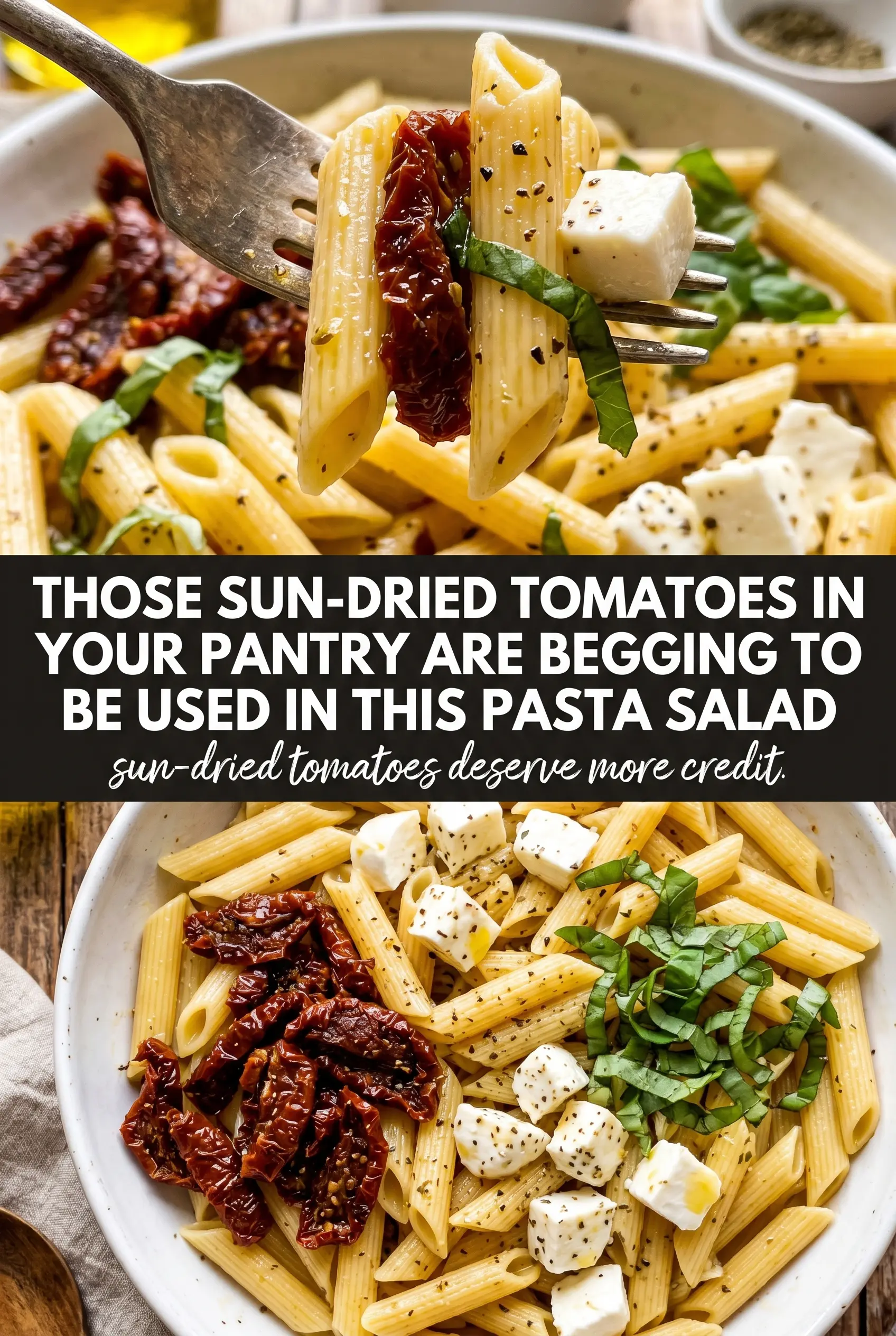
Sun-Dried Tomato Pasta Salad
Ingredients
Equipment
Method
- Bring a large pot of water to a boil, cook the rotini or penne pasta according to package directions, then drain.
- Rinse the drained pasta with cold water to stop the cooking and cool it quickly.
- In a bowl, whisk olive oil, red wine vinegar, minced garlic, dried oregano, dried basil, salt, and pepper until combined.
- Add the cooled pasta to a large bowl, then top with sun-dried tomatoes, crumbled feta, chopped spinach, and sliced Kalamata olives.
- Pour the herb vinaigrette over the salad and toss gently to coat while keeping feta from breaking up too much.
- Refrigerate the salad for at least 1 hour to let the flavors meld.
- Right before serving, toss again and adjust seasoning with more salt and pepper if needed.