Soft, pillowy pumpkin rolls with a tender crumb and a warm spice finish disappear fast from the pan. The pumpkin gives them a gentle orange color and a little extra moisture, while the cinnamon honey glaze melts into the tops and turns the whole batch into something people reach for before dinner is even on the table.
What makes this version work is balance. The dough stays enriched but not heavy, so the rolls rise high and bake up fluffy instead of dense. Instant yeast keeps the timing predictable, and the pumpkin puree brings flavor without making the dough wet enough to fight with. A short knead is all it needs once the flour goes in; after that, time does most of the work.
Below, I’ll show you the texture cues that matter most, plus a few smart swaps if you want to adapt the rolls for different diets or baking schedules.
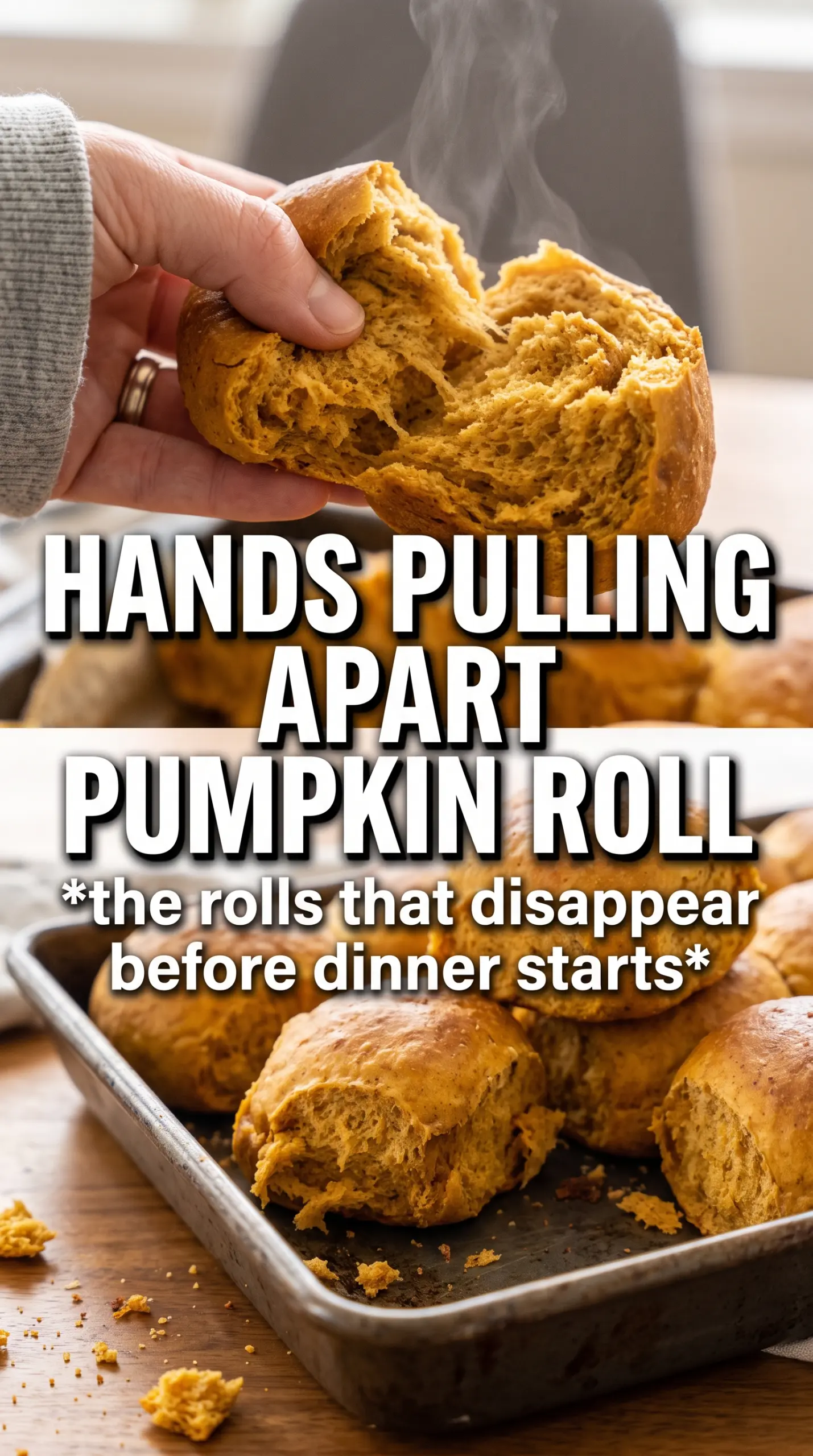
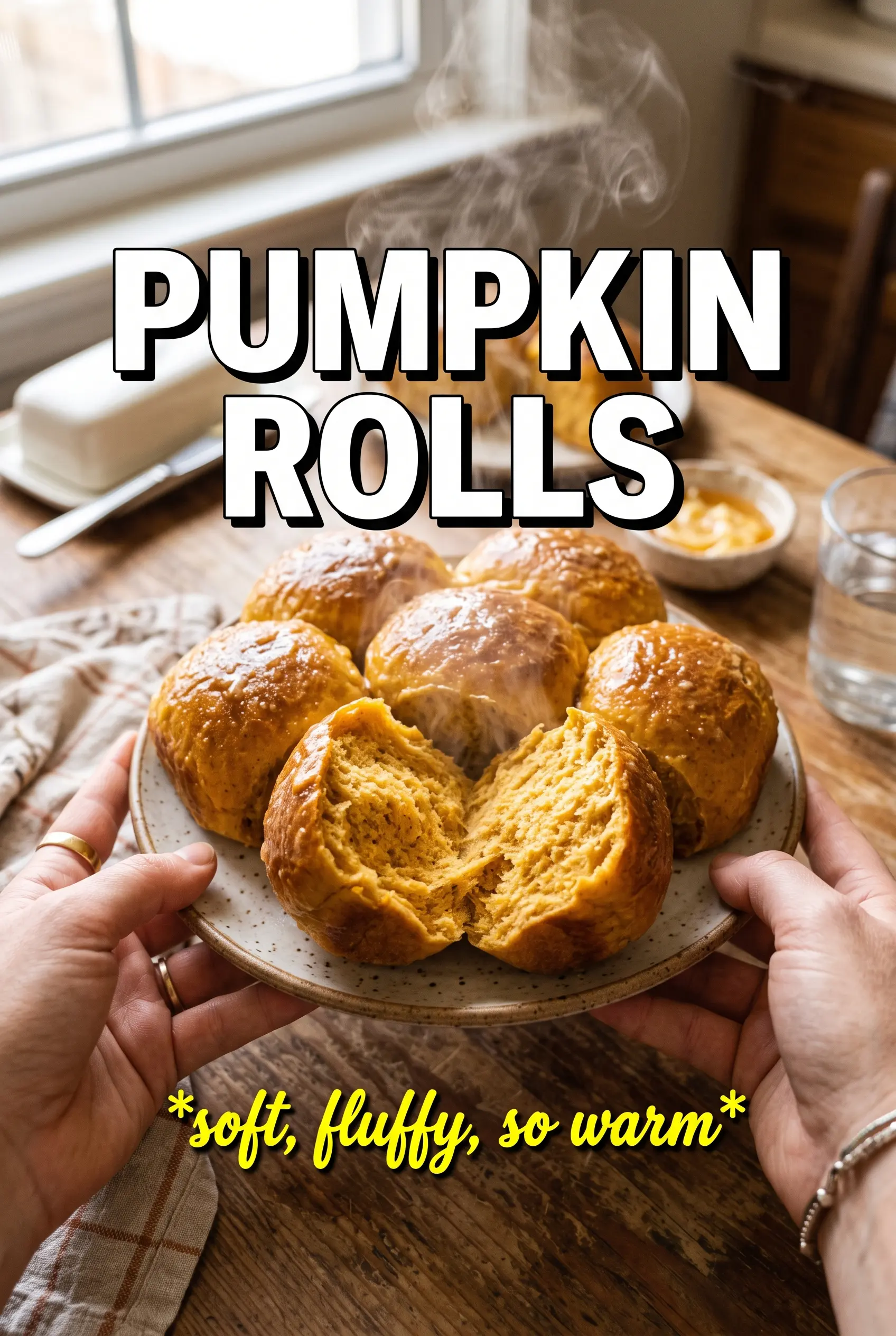
The dough rose beautifully and the rolls baked up soft all the way through. I brushed the glaze on right out of the oven, and the tops were shiny, lightly sweet, and perfect with dinner.
Save these pumpkin rolls for the mornings when you want soft, golden breakfast rolls with a cinnamon honey finish.
The Part That Keeps Pumpkin Rolls Soft Instead of Heavy
Pumpkin rolls can go wrong in one of two ways: the dough turns stubborn and tight, or the rolls bake up bready instead of tender. The fix starts with the liquid balance. Pumpkin puree adds moisture, but it also adds body, so you need enough flour to build structure without pushing the dough into a dry, shaggy mess. That’s why the dough should feel soft and slightly tacky after kneading, not sticky enough to cling to your hands in thick strands.
The other mistake is rushing the rise. These rolls need time to get airy before they hit the oven, especially because enriched dough rises more slowly than lean dough. If you bake them while they still look compact, you’ll get dense centers that never catch up. Let them puff until the rolls are touching and look relaxed in the pan.
- Instant yeast — This gives you dependable lift without needing to proof separately. If you only have active dry yeast, dissolve it in the warm milk first and give it an extra 5 to 10 minutes before moving on.
- Pumpkin puree — Use plain puree, not pumpkin pie filling. Pie filling already has sugar and spices mixed in, and it throws off both the flavor and the dough texture.
- Warm milk — It should feel pleasantly warm, not hot. Too much heat kills the yeast; too little leaves it slow and sluggish. If it feels like bath water, you’re in the right range.
What Each Ingredient Is Doing in the Dough
- Warm milk — It hydrates the yeast and helps the dough stay tender. Whole milk gives the richest result, but any milk you use should be warmed gently, not scalded.
- Butter and egg — These make the rolls soft and rich. Melted butter blends in cleanly, while the egg adds structure so the rolls rise tall instead of spreading flat.
- Flour — All-purpose flour is the sweet spot here. Bread flour will make the rolls chewier and a little firmer, which isn’t what you want for this style of breakfast roll.
- Pumpkin pie spice — This is where the warm spice note comes from. If you’re out, mix cinnamon, ginger, nutmeg, and a pinch of clove. It won’t taste exactly the same, but it will still read as pumpkin.
- Cinnamon honey glaze — Brush it on while the rolls are hot so it melts into the tops. If you wait until they cool, it sits on top instead of soaking in.
Building the Dough and Baking It Until the Tops Turn Golden
Waking Up the Yeast
Stir the warm milk, yeast, and sugar together and let it sit for about 5 minutes. You’re looking for a little foaming or cloudiness on top, which tells you the yeast is alive and active. If nothing changes, the milk may have been too hot or the yeast may be tired. Don’t move ahead with dead yeast; the rolls won’t rise enough to stay light.
Bringing the Dough Together
Add the pumpkin, melted butter, and egg, then mix until the liquid looks smooth and combined. Once the flour, salt, and pumpkin pie spice go in, knead for 7 to 8 minutes until the dough feels elastic and looks noticeably smoother. If it clings to the bowl in thick streaks, it needs a little more kneading before you add more flour. Add extra flour only a tablespoon at a time, because too much will make the rolls dry.
Shaping and Second Rise
After the first rise, punch the dough down gently and divide it into 12 equal portions. Shape each piece into a tight ball by tucking the edges underneath so the tops stay smooth and the rolls rise upward instead of sideways. Arrange them in a greased 9×13 dish with a little room to expand, then let them rise again until they look puffed and are nestling into one another. If they still look small and firm, they need more time before baking.
Baking and Glazing
Bake at 375°F for 18 to 20 minutes until the tops are golden and the centers sound set when tapped lightly. If the tops brown too fast, the oven may run hot; tent loosely with foil for the last few minutes. Brush the rolls with the melted butter, honey, and cinnamon glaze the moment they come out of the oven so it melts into every ridge and leaves a soft sheen on top.
How to Adapt These Pumpkin Rolls for Different Kitchens and Schedules
Dairy-Free Pumpkin Rolls
Swap the milk for an unsweetened plant milk and use a dairy-free butter that melts cleanly. The rolls will still rise and bake up soft, but the flavor will be a little less rich, so the glaze matters even more for that buttery finish.
Make Them Ahead for Brunch
Shape the rolls and place them in the pan, then cover and refrigerate overnight after the second rise starts to develop. The next morning, let them sit at room temperature until they look puffy again before baking. Cold dough straight from the fridge will bake unevenly in the middle.
A Slightly Sweeter Version
Add another tablespoon of sugar to the dough if you want a more noticeable bakery-style sweetness. That tiny bump won’t change the structure, but it will give the rolls a softer browning and a more noticeable sweet finish under the glaze.
Storage and Reheating
- Refrigerator: Store in an airtight container for up to 4 days. The rolls will firm up a bit in the fridge, but they’ll soften again when warmed.
- Freezer: Freeze baked rolls without the glaze for up to 2 months. Wrap them well and thaw at room temperature before reheating so the center doesn’t dry out.
- Reheating: Warm covered in a 300°F oven for 8 to 10 minutes, or microwave individual rolls in short bursts. The biggest mistake is blasting them too long, which dries out the crumb before the middle is hot.
Answers to the Questions Worth Asking
Pumpkin Rolls
Ingredients
Equipment
Method
- Combine warm milk, instant yeast, and sugar in a bowl, then let rest 5 minutes until foamy.
- Add pumpkin puree, melted unsalted butter, and egg, then mix until smooth.
- Knead in all-purpose flour, salt, and pumpkin pie spice for 7-8 minutes until the dough is smooth and elastic.
- Cover the dough and rise for 1 hour, then punch down and divide into 12 equal portions.
- Shape each portion into a ball and place them in a greased 9x13 baking dish.
- Cover and let rise for 30-40 minutes while you preheat the oven to 375F.
- Bake at 375F for 18-20 minutes until the rolls turn golden.
- Brush the rolls immediately with the cinnamon honey butter glaze while warm.