Golden gnocchi in a creamy pumpkin sauce have a way of tasting like much more work than they actually are. The gnocchi stay tender with crisped edges if you give them a quick sear, the sausage brings enough salt and fat to carry the sauce, and the spinach melts into the pan just enough to lighten everything without turning the whole dish muddy. It’s the kind of dinner that lands on the table fast but still feels like you paid attention.
The key here is balance. Pumpkin puree needs cream and broth to loosen up and turn silky, but it also needs parmesan and a little nutmeg to keep it from tasting flat or one-note. Browning the sausage first gives you the fond that flavors the sauce, and cooking the garlic briefly in the butter keeps it sweet instead of sharp. Once the sauce is in the pan, the whole dish comes together in minutes.
Below, I’ll walk you through the one step that keeps the sauce smooth, the ingredient swaps that actually work, and how to handle leftovers without ending up with gummy gnocchi.
The sauce turned out velvety and coated every gnocchi without getting too thick, and the sausage stayed browned even after I added the spinach.
Save this pumpkin gnocchi with spinach and sausage for a creamy one-pan dinner with crisped gnocchi, savory sausage, and a silky pumpkin sauce.
The Reason the Sauce Stays Creamy Instead of Turning Gluey
The sauce in this dish only works if you treat the pumpkin like a base, not a shortcut. Pumpkin puree thickens fast, and if it goes into a hot pan without enough liquid, it can seize up and taste pasty instead of silky. The broth and cream loosen it into a spoonable sauce, while parmesan melts in for body and salt. That combination gives you a sauce that clings to the gnocchi instead of smothering it.
The other thing people miss is heat control. Once the cream and parmesan go in, keep the simmer gentle. A hard boil can make the dairy separate and turn the sauce grainy, especially if the pan is already too hot from browning the sausage. Low and steady keeps everything smooth.
What Each Ingredient Is Actually Doing In This Dish
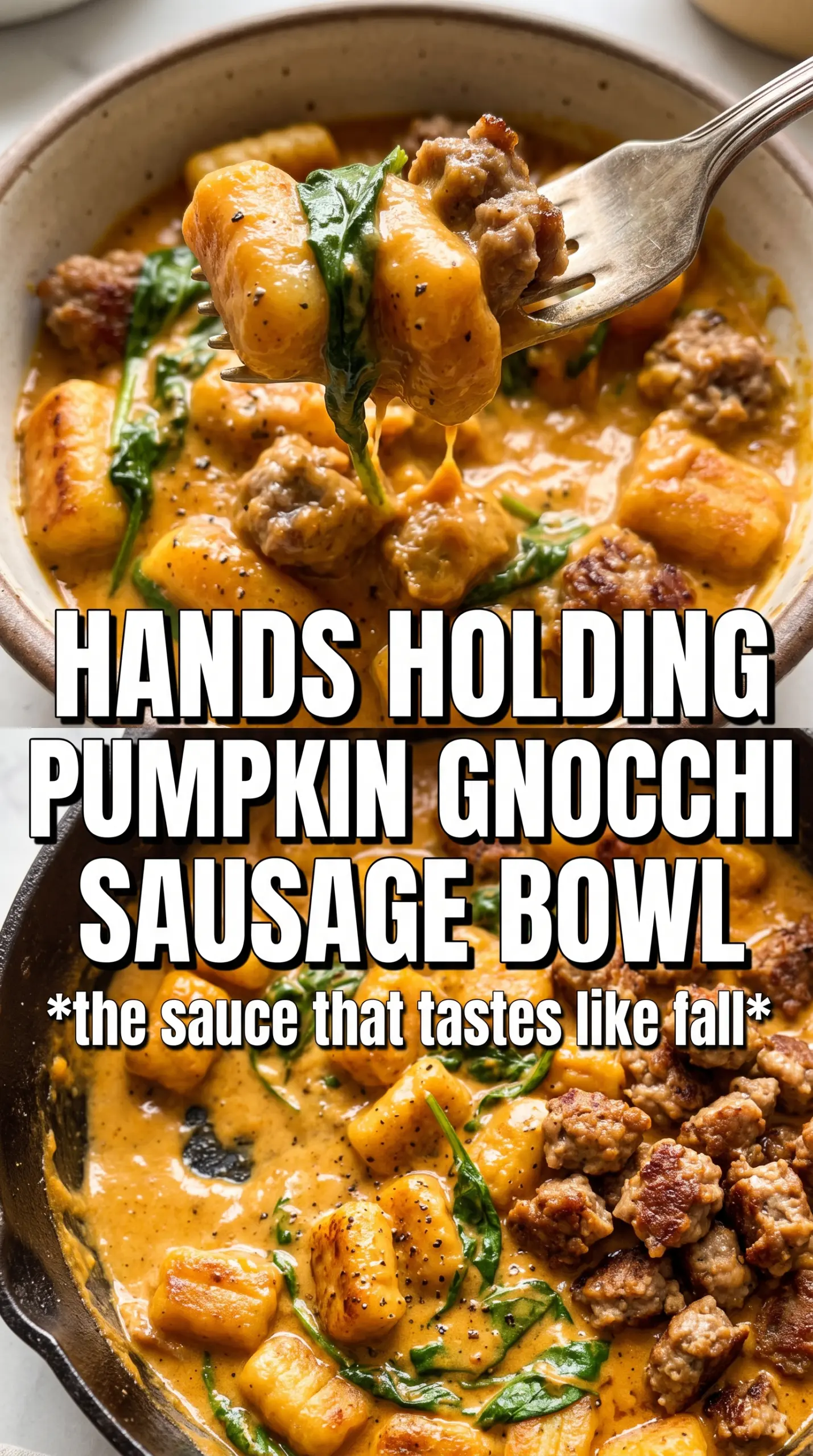
- Potato gnocchi — These cook fast and give you that soft, pillowy texture that works so well with a thick sauce. Shelf-stable gnocchi are fine here; just don’t overcook them, or they’ll go mushy once they hit the pan again.
- Italian sausage — This is the backbone of the dish. It adds fat, salt, and fennel-spiced depth, and that browned residue in the skillet becomes part of the sauce. Use mild or hot depending on how much heat you want.
- Pumpkin puree — Use pure pumpkin, not pumpkin pie filling. The puree gives body and a subtle earthy sweetness, but it needs cream and broth to turn into sauce. If your puree looks watery, cook it a minute longer before adding the dairy.
- Heavy cream — This is what keeps the pumpkin from tasting flat and dry. Half-and-half can work, but the sauce will be thinner and a little less stable when it simmers.
- Parmesan — Freshly grated parmesan melts better and tastes sharper than the pre-shredded kind. It helps thicken the sauce and brings salt, so taste before adding extra seasoning.
- Spinach — Baby spinach wilts fast and folds into the sauce without needing any extra chopping. Add it at the end so it stays bright instead of collapsing into a dull green tangle.
- Sage and nutmeg — These are the finishing notes that make the pumpkin taste intentional. Nutmeg should stay in the background; too much and the sauce turns dessert-like. Sage works best fresh, scattered on top at the end.
Building the Sauce and Folding Everything Together
Browning the sausage first
Cook the sausage in a large skillet until it’s deeply browned and no pink remains. You want some crisp bits in the pan, not just gray crumbles, because that browning gives the sauce its savory base. If the pan looks crowded, the sausage will steam instead of brown, so break it up and let it sit undisturbed for a minute before stirring. Drain the excess fat, but leave enough behind to keep the pan flavorful.
Softening the garlic in butter
Once the sausage comes out, melt the butter and add the garlic for about a minute. The garlic should smell sweet and fragrant, not toasted or sharp. If it browns, it’ll turn bitter and that bitterness will show up in the finished sauce. Keep the heat at medium-low so the butter doesn’t scorch while you scrape up the browned bits.
Letting the pumpkin sauce come together
Add the pumpkin puree, cream, broth, parmesan, nutmeg, and red pepper flakes, then simmer gently for about five minutes. The sauce should thicken enough to coat a spoon but still move easily across the pan. If it looks too thick, add a splash more broth; if it looks loose, give it another minute or two. Don’t rush this part with high heat, or the dairy can break before the pumpkin has time to smooth out.
Finishing with gnocchi, spinach, and sausage
Cook the gnocchi according to the package directions, then add them to the sauce while they’re still tender. Return the sausage to the skillet and fold in the spinach last so it wilts from the heat of the sauce instead of overcooking. Toss everything just until coated and combined. The gnocchi should hold their shape, the spinach should stay bright, and the sauce should cling to every piece.
How to Adapt This for a Lighter Pan or a Different Pantry
Dairy-Free Version With Coconut Cream
Swap the heavy cream for full-fat coconut milk or coconut cream and use a dairy-free parmesan-style cheese if you like. The sauce will be a little sweeter and less sharp, but it still turns silky and coats the gnocchi well. Keep the heat low so the coconut milk doesn’t split.
Gluten-Free Without Changing the Method
Use certified gluten-free gnocchi and check that your sausage and broth are gluten-free as well. The texture stays nearly the same, so this is an easy swap that doesn’t change the dish’s structure. Watch the gnocchi closely since some gluten-free versions break down faster in the sauce.
Make It Vegetarian
Leave out the sausage and use a little extra butter or olive oil to build the base. A handful of sautéed mushrooms works well here because they bring the same browned, savory note that sausage gives the sauce. You’ll lose some salt and fat, so taste carefully at the end and adjust with parmesan and pepper.
Storage and Reheating
- Refrigerator: Store leftovers in an airtight container for up to 3 days. The gnocchi will absorb some sauce as it sits, so expect it to thicken.
- Freezer: Freezing isn’t ideal. The cream sauce can separate and the gnocchi can turn soft after thawing.
- Reheating: Warm it gently on the stovetop over low heat with a splash of broth or cream to loosen the sauce. High heat is the mistake here; it can break the dairy and make the gnocchi tough.
Questions I Get Asked About This Recipe
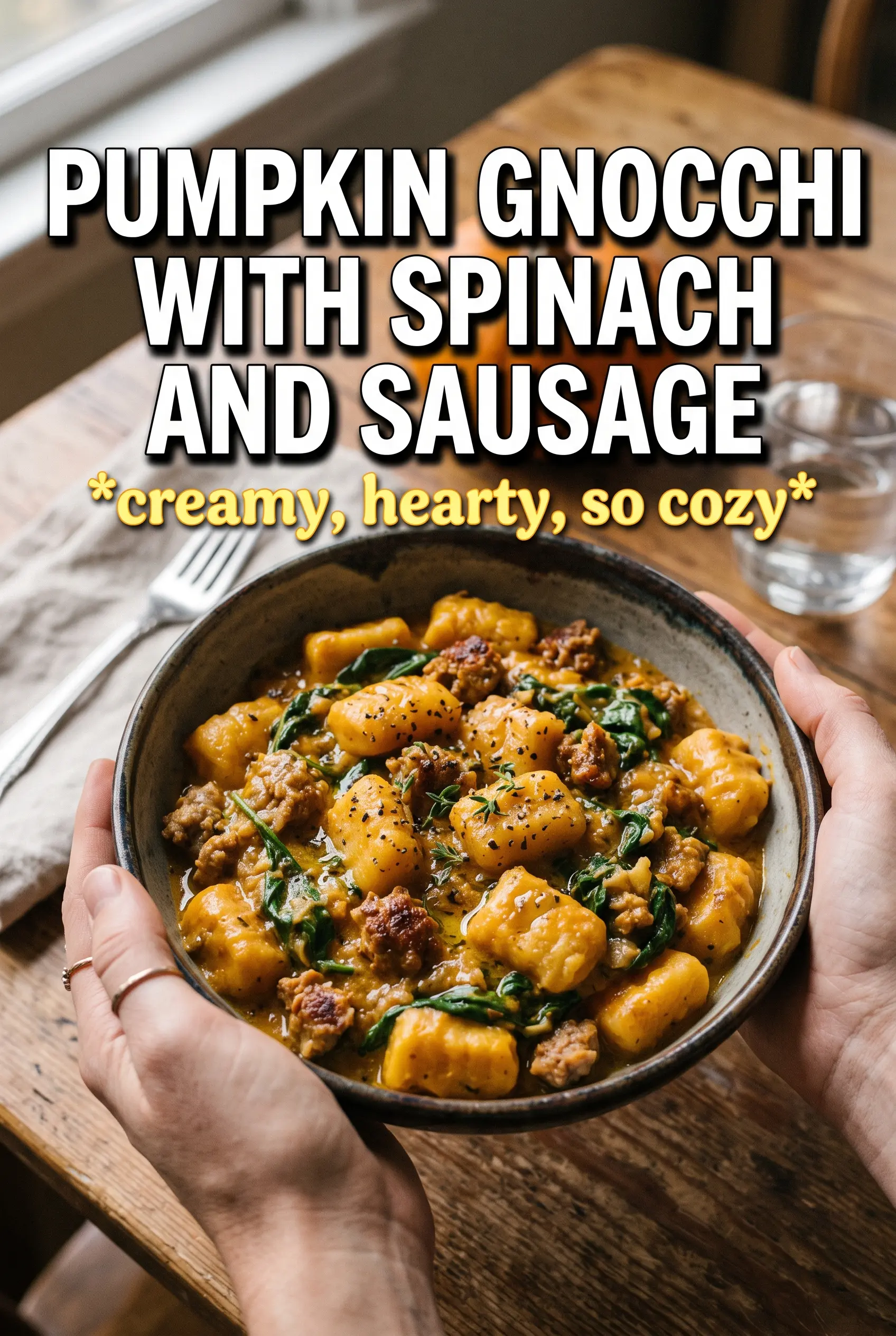
Pumpkin Gnocchi With Spinach And Sausage
Ingredients
Equipment
Method
- Brown Italian sausage in a large skillet until browned, then drain the fat and set the sausage aside.
- Keep the skillet warm for the next step so you can continue cooking in the same pan.
- Melt butter in the same skillet and sauté garlic for 1 minute over medium heat until fragrant.
- Add pumpkin puree, heavy cream, chicken broth, parmesan, nutmeg, and red pepper flakes, then simmer for 5 minutes until slightly thickened.
- Cook potato gnocchi according to package instructions, then add the gnocchi to the pumpkin sauce.
- Return the sausage to the skillet and add baby spinach, tossing until the spinach is wilted and coated in sauce.
- Season with salt and pepper to taste, then top with fresh sage and extra parmesan for serving.