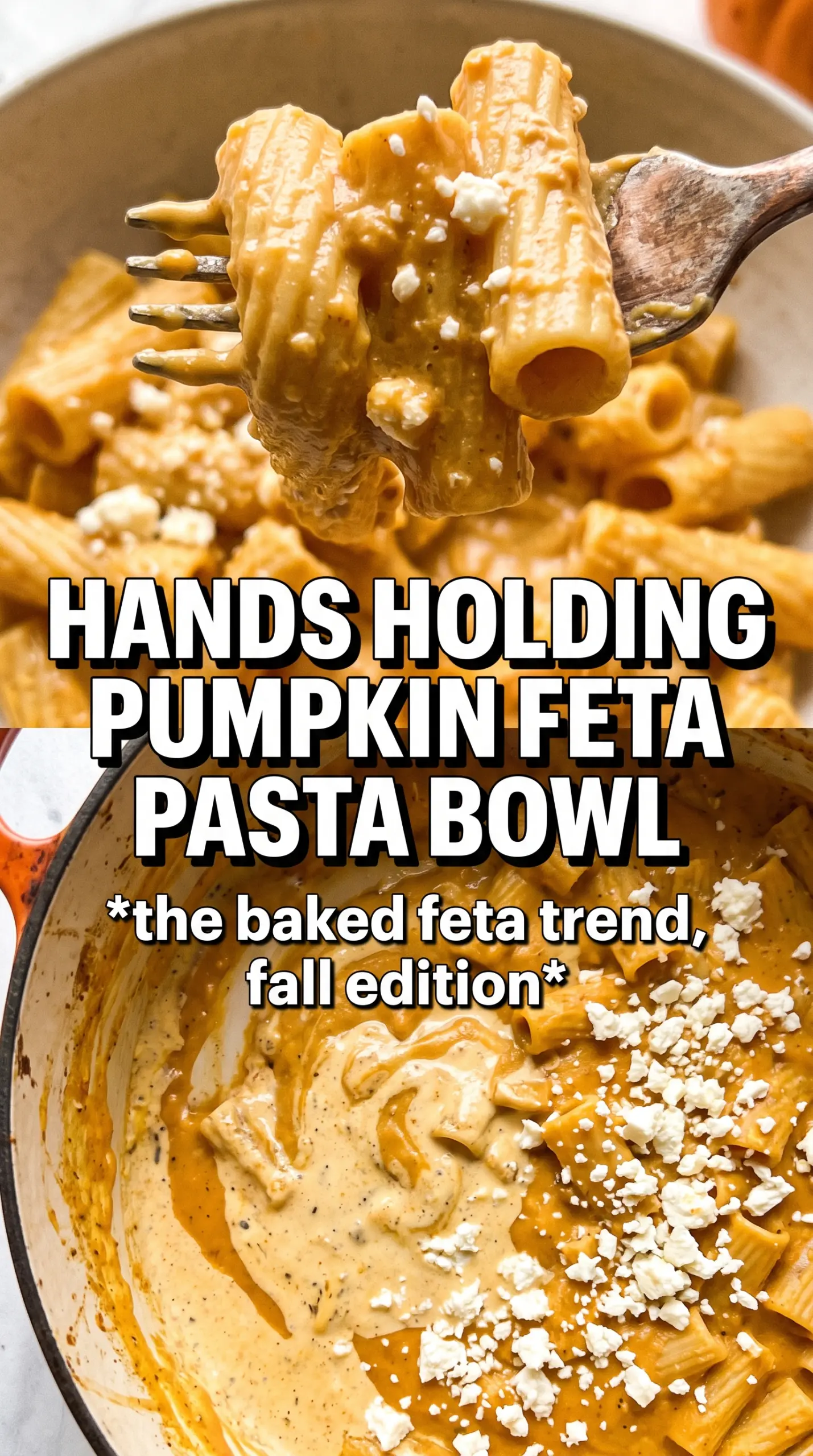
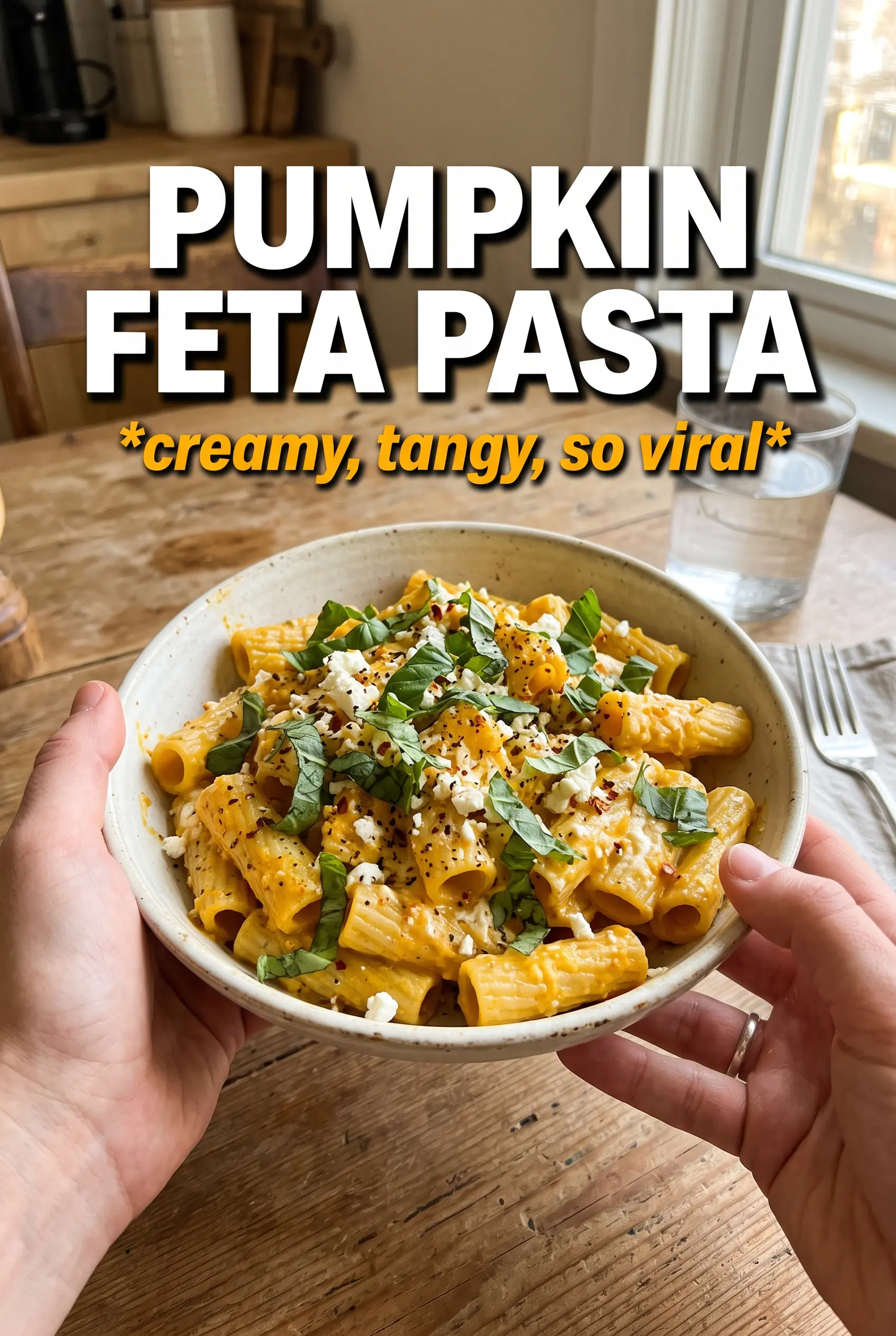
Pumpkin feta pasta lands on the table creamy, salty, and just a little bit tangy, with roasted pumpkin giving the sauce body instead of relying on heavy cream. The feta softens into the pumpkin as it roasts, and once you smash everything together with a splash of pasta water, it turns into a glossy sauce that clings to every ridge of the pasta.
This version works because the pumpkin and feta cook together instead of being stirred into a pot at the end. Roasting mellows the pumpkin and concentrates its flavor, while the feta browns on the edges and melts from the outside in. Garlic, thyme, and red pepper flakes do a lot of the work here, so the finished dish tastes built, not dumped together.
Below, I’ve included the small things that matter: how to keep the sauce from turning pasty, what to do if your pumpkin puree is loose, and the easiest swaps if you’re working with fresh pumpkin instead.
The feta and pumpkin melted into the creamiest sauce, and adding the pasta water made it coat the rigatoni instead of turning thick and gluey. My husband kept going back for seconds.
Save this Pumpkin Feta Pasta for the nights when you want a creamy baked sauce, one pan, and almost no cleanup.
The Reason the Sauce Stays Creamy Instead of Grainy
The biggest mistake with baked feta pasta is rushing the finish. If the feta and pumpkin don’t get enough heat, they won’t soften enough to smash into a smooth sauce. If they go too hard, the cheese can turn oily and the pumpkin can dry out around the edges before the center is tender.
The fix is baked right into the method: roast until the feta is deeply softened and the pumpkin is fully tender, then break everything up while it’s still hot. The pasta water matters here because it loosens the mixture without thinning the flavor. You want a sauce that looks thick and rustic in the dish, then turns silky once it hits the pasta.
- Pumpkin puree or fresh pumpkin — Puree gives you a faster, smoother sauce. Fresh pumpkin brings a deeper roasted flavor, but it needs to be cut small enough to soften in the oven. If you use cubed pumpkin, keep the pieces around 1/2 inch so they collapse easily when smashed.
- Block feta — Buy block feta if you can. Pre-crumbled feta is drier and usually has anti-caking agents that keep it from melting into the same creamy texture. The block softens into the pumpkin instead of staying in little salty bits.
- Olive oil — This helps the pumpkin roast instead of steam and carries the garlic and thyme through the dish. Use a decent olive oil here because there isn’t much else in the sauce to round out bitterness.
- Garlic and thyme — Smashing the garlic lets it mellow in the oven and perfume the oil without burning as fast as minced garlic would. Dried thyme is the right choice here because it stands up to roasting and gives the sauce a woodsy note that works with pumpkin.
What Each Ingredient Is Actually Doing in This Recipe
- Primary ingredient (the star) — Quality matters most. Choose the best you can find.
- Cooking medium (oil, butter, or broth) — This carries flavors and prevents dryness.
- Seasonings (salt, pepper, spices, herbs) — Layer flavors so nothing overpowers. Build depth gradually.
- Aromatics (garlic, onion, herbs) — Cook with fat to bloom flavors. Become the foundation.
- Supporting ingredients — Complement the main ingredient without overpowering it.
- Sauce or liquid (if applicable) — Brings flavors together. Balance richness with acid.
- Acid (lemon, vinegar, wine, or other) — Brightens and prevents flat-tasting results.
- Final finish (garnish, glaze, or sauce) — Prevents one-dimensional taste and adds visual appeal.
Roasting the Pumpkin and Feta Until They Collapse Together
Build the baking dish first
Spread the pumpkin puree or cubed pumpkin in a baking dish and nestle the feta block right in the center. Scatter the smashed garlic around it, then drizzle everything with olive oil so the top doesn’t dry out before the center softens. The pumpkin should be in an even layer if you’re using puree, or in a single loose layer if you’re using cubes. Crowding the dish makes everything steam, and that’s the fastest way to lose the roasted flavor this pasta depends on.
Roast until the edges color
Let the dish roast at 400°F until the feta is golden on top and the pumpkin is tender enough to mash with a spoon, about 35 to 40 minutes. You want some browning around the cheese and a little caramelization at the edges of the pumpkin. If the top looks pale but the pumpkin is already soft, keep going a few more minutes; the color is where a lot of the flavor comes from. If the feta starts to dry out before the pumpkin is done, the oven is running hot, so move the pan to a lower rack.
Turn it into sauce while it’s hot
As soon as the pasta is done, add it to the baking dish with a splash of the reserved cooking water. Smash everything together with a spoon until the feta disappears into the pumpkin and the mixture looks creamy instead of broken. Add more pasta water a little at a time until the sauce coats the noodles without pooling at the bottom of the dish. If it looks stiff, it needs more water and a little more stirring, not more oil.
Finish with the pasta and seasoning
Toss the cooked pasta through the sauce until every piece is coated, then taste and add salt only if it needs it. Feta brings a lot of salt on its own, so the seasoning usually needs less than people expect. Fresh basil and a pinch of extra red pepper flakes at the end wake everything up and keep the dish from tasting flat. Serve it right away while the sauce is still glossy and loose.
How to Adapt Pumpkin Feta Pasta Without Losing the Creamy Texture
Make it gluten-free
Use a sturdy gluten-free pasta shape like rigatoni or penne. Cook it just to al dente because gluten-free pasta softens faster once it hits the hot sauce, and overcooking it in the pot can leave you with a mushy finish in the dish.
Make it dairy-free
Swap in a firm vegan feta that softens under heat, but expect a less creamy, more tangy result. If your vegan feta doesn’t melt much, add an extra splash of pasta water and mash the pumpkin more thoroughly so the sauce still clings.
Use canned pumpkin for the fastest version
Canned pumpkin puree works when you want the same creamy sauce with less prep. It won’t caramelize the way fresh pumpkin does, so the flavor is a little softer, but it still roasts well beside the feta and becomes silky once you mix in the pasta water.
Turn it into a baked dinner for more people
Double everything and use a larger baking dish so the pumpkin sits in a shallow layer. The sauce will still come together, but you may need an extra splash of hot pasta water to keep it loose enough to coat a bigger batch of noodles.
Storage and Reheating
- Refrigerator: Store leftovers in an airtight container for up to 4 days. The sauce thickens as it chills, so the pasta will look a little firmer the next day.
- Freezer: It freezes, but the texture gets softer after thawing. For the best result, freeze the sauce separately from the pasta if you know ahead of time you’ll want to save it.
- Reheating: Warm it gently on the stove or in the microwave with a splash of water to loosen the sauce. High heat is the mistake here; it dries out the pasta and makes the feta taste sharp instead of creamy.
Questions I Get Asked About This Recipe
Pumpkin Feta Pasta
Ingredients
Equipment
Method
- Preheat the oven to 400°F, then place the pumpkin puree or cubed pumpkin in a baking dish with the feta block in the center.
- Scatter the smashed garlic around, then drizzle olive oil over everything.
- Sprinkle red pepper flakes, dried thyme, and black pepper evenly over the top, then roast for 35-40 minutes until the feta is golden and the pumpkin is soft.
- Meanwhile, cook the pasta in salted water according to package directions, then reserve 1/2 cup pasta cooking water.
- Smash the roasted pumpkin, feta, and garlic in the baking dish into a creamy sauce, then add the reserved pasta water as needed to reach your desired consistency.
- Toss in the cooked pasta, then season with salt to taste.
- Top with fresh basil and extra red pepper flakes and serve hot.