Pumpkin Bundt Cake earns its place on the dessert table because it stays tender for days and slices cleanly without falling apart. The crumb is soft and plush, but the edges bake up with enough structure to hold that thick cream cheese glaze as it slides into every ridge of the pan. You get warm spice, deep pumpkin flavor, and just enough tang from the glaze to keep each bite from feeling heavy.
This version leans on sour cream for moisture and uses both baking powder and baking soda for lift, which matters in a dense batter like this. The butter and sugar need a full mix until pale and fluffy, because that’s what gives the cake a lighter texture instead of a tight, heavy crumb. The other place people go wrong is the pan itself: a Bundt cake only releases cleanly when every curve and seam is greased and floured with care.
Below, I’ll walk through the small details that keep the cake from sticking, the glaze from running off too fast, and the crumb from turning gummy in the center.
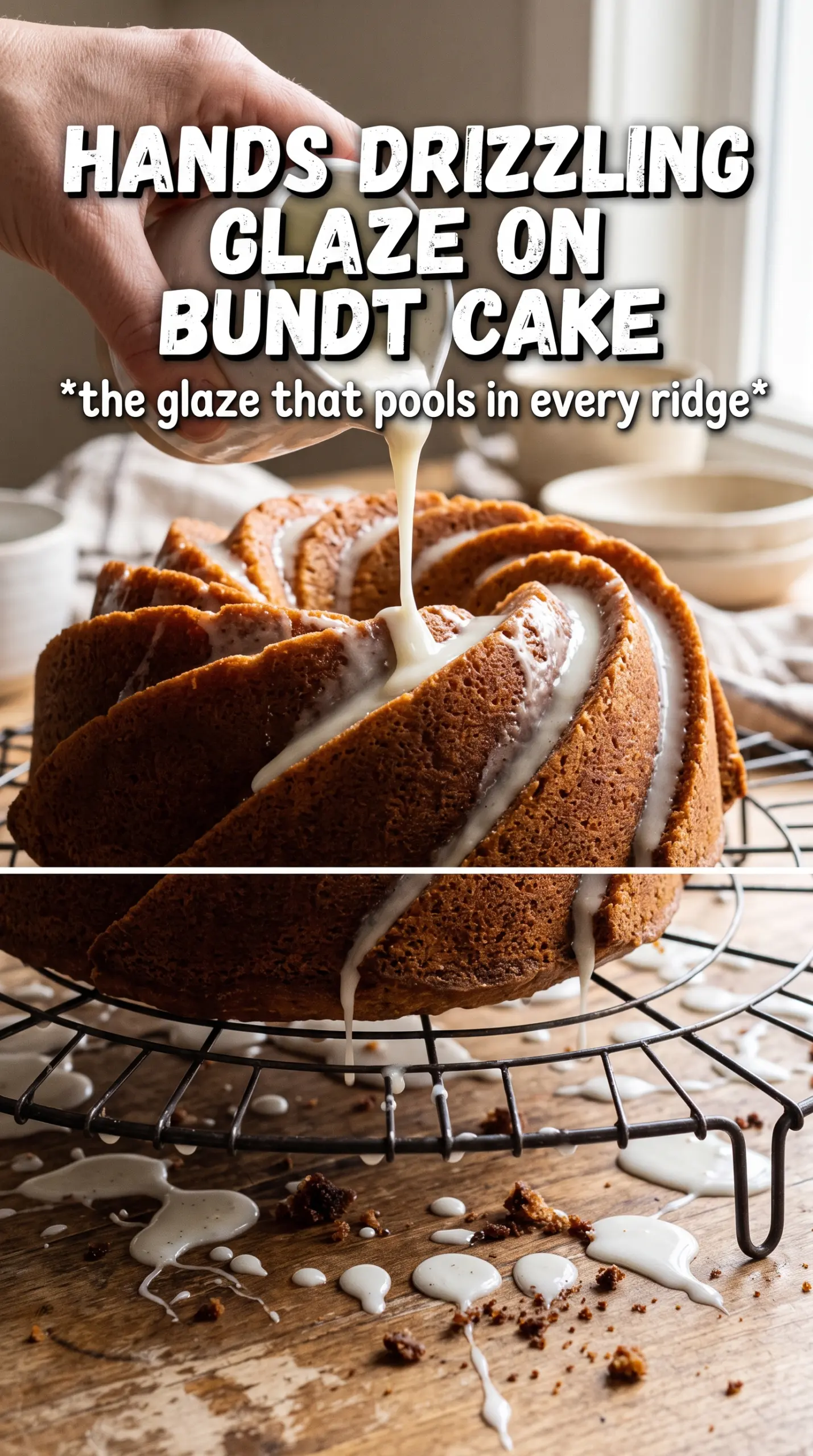
The cake released from the pan without a single stuck spot, and the glaze settled into those ridges instead of sliding off. I loved how moist it stayed the next day, too.
Like this pumpkin bundt cake? Save it to Pinterest for a moist, spiced dessert with a thick cream cheese glaze and a bakery-style finish.
The Trick to a Bundt Cake That Unmolds in One Piece
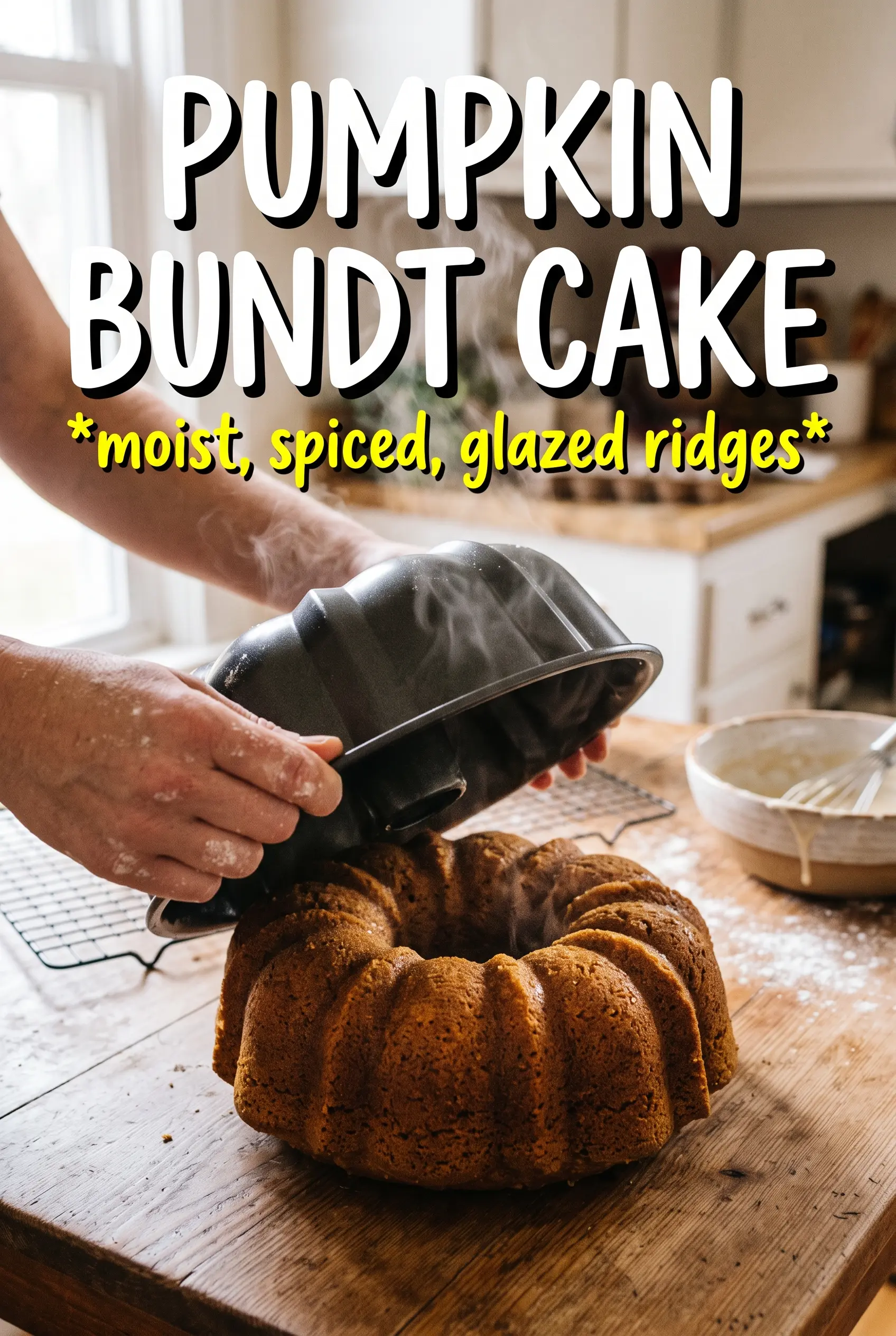
A Bundt cake is only as good as the pan release, and pumpkin batter is the kind that loves to cling to every ridge if the pan is even a little underprepared. This cake has enough moisture to stay soft for days, which is great for eating and terrible for sticking if the pan isn’t greased all the way into the details. The safest move is to coat every curve with softened butter or baking spray, then dust it with flour and tap out every loose bit.
The other piece that matters is the cooling time in the pan. Pull it out too early and the cake can tear while it’s still fragile; leave it too long and the sugar starts to cool into a sticky glue around the edges. Twenty minutes is the sweet spot. The cake firms up enough to release, but the pan hasn’t had time to trap it in place.
- Bundt pan prep — This is where the whole recipe succeeds or fails. Get into every seam, center tube groove, and curve.
- Pumpkin puree — Use plain pumpkin puree, not pumpkin pie filling. The filling already contains sugar and spices, which throws off both the texture and the flavor balance.
- Sour cream — This keeps the crumb rich and tender without making the cake heavy. Full-fat plain yogurt works if needed, but it brings a slightly tangier edge and a touch less richness.
- Cream cheese — Softened cream cheese gives the glaze its body. Cold cream cheese leaves little lumps that won’t smooth out once the sugar goes in.
What Each Ingredient Is Actually Doing in This Cake
- Butter and sugar — Beat them until the mixture looks pale and fluffy. That step traps air and gives the cake its lift before the leaveners even start working.
- Eggs — Add them one at a time so the batter stays smooth and emulsified. If you dump them in all at once, the batter can look curdled and bake up less even.
- Baking powder and baking soda — The powder adds lift, while the soda reacts with the sour cream and pumpkin for extra rise and browning. You need both for a cake this dense and moist.
- Pumpkin pie spice and cinnamon — The spice blend gives you the round, familiar pumpkin flavor, while the extra cinnamon sharpens it. That combination tastes warmer than using one or the other alone.
- Powdered sugar in the glaze — It dissolves quickly and keeps the glaze smooth. Granulated sugar won’t give you the same pourable finish.
The Mixing Order That Keeps the Crumb Tender
Build the air into the butter first
Start by beating the softened butter and sugar until the mixture looks lighter in color and noticeably fluffy. That usually takes a few minutes, not a quick stir. If the butter is too cold, it won’t whip properly; if it’s melted, the cake loses structure and bakes up dense.
Add the wet ingredients without breaking the batter
Beat in the eggs one at a time, then add the pumpkin, sour cream, and vanilla. The batter may look a little loose at this point, and that’s fine. If it looks separated, keep going slowly and don’t rush in the flour until it comes back together.
Stop mixing as soon as the flour disappears
Whisk the dry ingredients separately, then fold them into the wet mixture just until you stop seeing streaks of flour. Overmixing is what turns a tender Bundt cake into something tight and chewy. The batter should be thick and spoonable, not runny.
Bake until the center is set, not dry
Pour the batter into the prepared pan and bake until a toothpick comes out clean or with a few moist crumbs, usually 60 to 70 minutes. The top should spring back lightly when touched. If the outside is browning too fast before the center finishes, lay a loose piece of foil over the top for the last part of baking.
How to Change the Cake Without Losing the Texture
Dairy-Free Version
Use a plant-based butter that bakes well and swap the sour cream for an unsweetened dairy-free yogurt. The cake will still stay moist, though the crumb may be a little less rich and the glaze won’t have the same tang unless you use dairy-free cream cheese.
Gluten-Free Swap
Use a 1:1 gluten-free flour blend that includes xanthan gum. The cake will bake up a little more delicate, so let it cool fully before turning it out. If your blend is on the dry side, the sour cream helps protect the texture.
Extra-Spiced Holiday Finish
Add a pinch of nutmeg or cloves to the batter and finish the glaze with a dusting of pumpkin pie spice. That pushes the cake in a deeper holiday direction without changing the structure.
Storage and Reheating
- Refrigerator: Store covered for up to 5 days. The glaze stays best chilled, though the cake itself is a little firmer straight from the fridge.
- Freezer: Freeze slices or the unglaized cake tightly wrapped for up to 2 months. Glaze after thawing for the cleanest texture.
- Reheating: Warm individual slices for 10 to 15 seconds in the microwave if you want them slightly soft. Don’t overheat or the glaze can melt into the plate and the crumb turns gummy.
Answers to the Questions Worth Asking
Pumpkin Bundt Cake
Ingredients
Equipment
Method
- Preheat the oven to 325F and grease and flour a 10-inch bundt pan very well, coating every ridge so the cake releases cleanly.
- Whisk together all-purpose flour, baking powder, baking soda, pumpkin pie spice, cinnamon, and salt until evenly combined and uniform in color.
- Beat the softened butter and granulated sugar until very light and fluffy, pausing to scrape the sides so no dense streaks remain.
- Add the eggs one at a time, beating well after each addition until the batter looks smooth and cohesive.
- Add pumpkin puree, sour cream, and vanilla, then fold in the flour mixture until just combined—stop when no dry flour is visible.
- Pour the batter into the prepared bundt pan, smoothing the top so it bakes evenly.
- Bake for 60-70 minutes at 325F until a toothpick comes out clean or with only a few moist crumbs.
- Cool in the pan for 20 minutes, then invert onto a rack and cool completely so the glaze won’t melt.
- Beat the cream cheese glaze ingredients (cream cheese, powdered sugar, milk, vanilla, and cinnamon) until smooth and thick, adjusting with extra milk only if needed for drizzle consistency.
- Drizzle the cream cheese glaze generously over the cooled cake, letting it cascade down the ridges for a glossy finish.