Pizza on a Blackstone griddle gives you something a lot of home ovens struggle to deliver: a crisp, blistered crust with a melted cheese top that finishes fast enough to keep the dough from drying out. The griddle heat hits the bottom hard, so the crust sets quickly and picks up that charred edge before the toppings have a chance to make it soggy.
The trick is cooking the first side plain, flipping it, then building the pizza on the cooked side. That one move keeps the dough sturdy enough to handle sauce and cheese without folding or tearing. A light hand with flour helps during shaping, and a covered finish traps enough heat to melt the cheese all the way through without overcooking the crust underneath.
Below, I’m walking through the exact timing that keeps the crust from burning and the cheese from lagging behind. I’ve also included the swaps I’d use for different toppings, plus the one storage note that matters if you end up with extra slices.
The crust got those perfect griddle bubbles and stayed crisp even under the sauce. Flipping it first made all the difference, and the cheese melted before the bottom got too dark.
Save this Blackstone griddle pizza for the nights when you want a crisp crust, melted cheese, and dinner on the table in minutes.
The Flip That Keeps the Crust Crisp Under the Toppings
Most griddle pizzas go sideways because the toppings hit the dough before the first side has enough structure. Once sauce goes on, the dough starts working against you. It softens, stretches, and can tear right when you try to move it. Cooking the first side until it’s golden and dry enough to release cleanly gives you a base that can handle the weight of cheese and toppings without collapsing.
The other thing that matters here is heat control. Medium heat on a Blackstone is enough to build color without scorching the underside before the cheese melts. If the griddle is screaming hot, the crust will darken too fast and the center can stay doughy. If it’s too cool, the dough dries out before it browns. You want a steady sizzle and a crust that lifts with a spatula instead of dragging.
What the Dough, Cheese, and Heat Are Each Doing Here
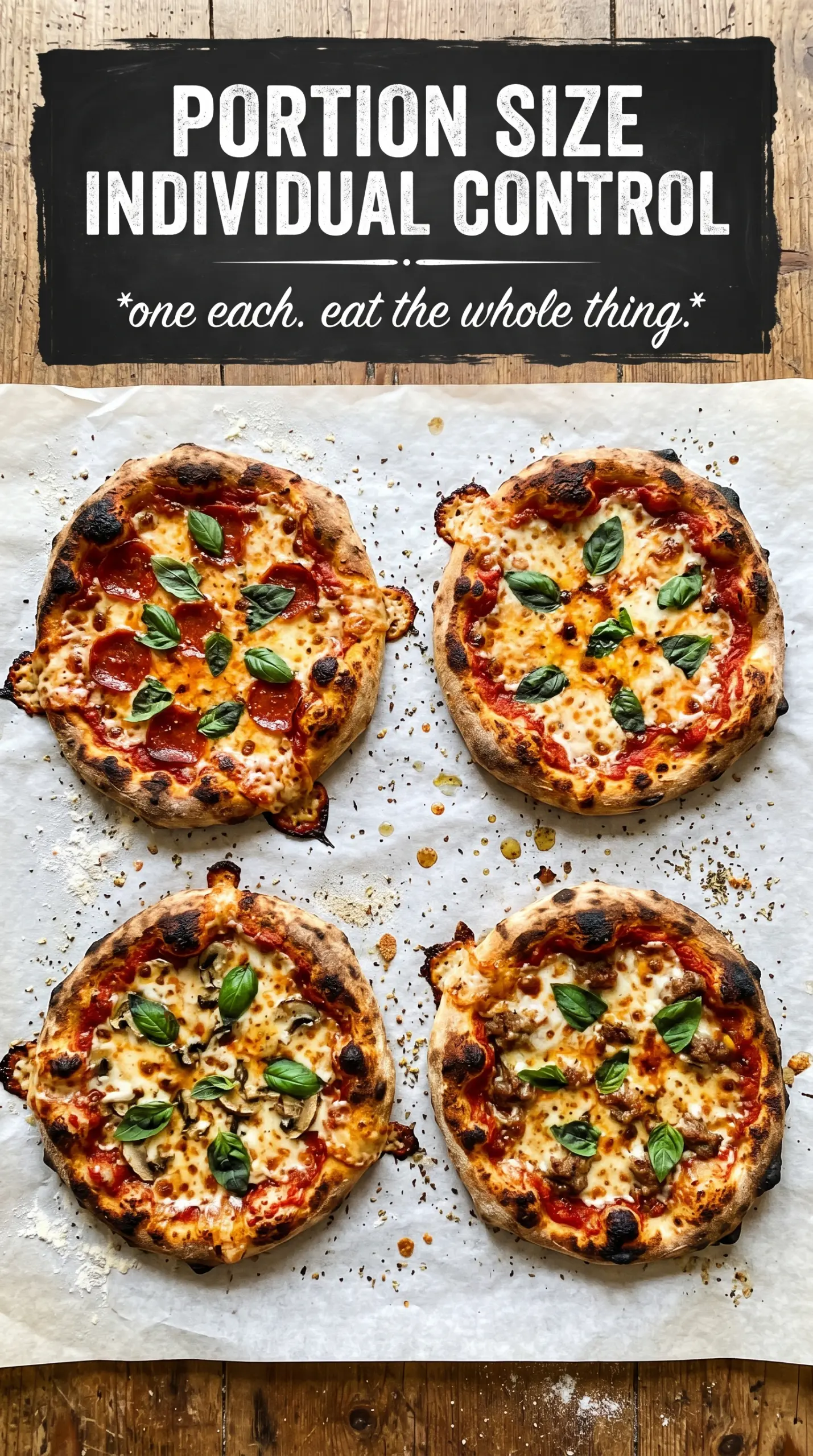
- Pizza dough — This is the foundation, and it needs enough gluten strength to stretch thin without tearing. Store-bought dough works fine if you let it sit at room temperature first; cold dough fights back and shrinks on the griddle.
- Olive oil — A thin coat on the griddle helps the crust brown and release cleanly. Don’t drown the surface or you’ll fry the bottom instead of crisping it.
- Mozzarella — Low-moisture shredded mozzarella melts evenly and keeps the pizza from getting watery. Fresh mozzarella is juicier and needs to be well-drained if you use it, or the center can go soft before the cheese fully melts.
- Pizza sauce — A thicker sauce is the safer choice because it stays put once the pizza is flipped. If yours is loose, simmer it for a few minutes first so it doesn’t soak into the dough.
- Flour for dusting — Just enough flour keeps the dough manageable while you shape it. Too much dusting flour can burn on the griddle and leave a bitter edge underneath.
Building the Pizza Fast Enough to Beat the Heat
Heating the Griddle and Shaping the Dough
Bring the Blackstone to medium heat and oil the surface lightly. Divide the dough into four portions and stretch each one into a thin round, keeping the center slightly thinner than the edge. If the dough keeps snapping back, let it rest for a few minutes; that means the gluten needs a break before it’ll stretch properly. Dust only as needed so the bottom doesn’t pick up a dusty, burnt layer.
Cooking the First Side Until It Releases
Lay the dough on the griddle and leave it alone for 2 to 3 minutes. You’re looking for a golden underside and a top that has lost its raw sheen. If it sticks when you try to lift it, it isn’t ready yet. Pulling too early is how you tear the crust before it has a chance to set.
Flipping and Topping Without Losing Time
Flip the crust, then move quickly. Spread sauce on the cooked side, add cheese, then pile on toppings in a thin, even layer. Heavy toppings slow down the melt and weigh the center down, so keep it balanced. This is the stage where people usually overload the pizza, and that’s when the middle turns soft before the edges finish.
Melting Under a Dome
Cover the pizza with a dome or large pan and cook for 3 to 5 minutes. The trapped heat melts the cheese from the top while the griddle keeps the crust crisp underneath. Watch for bubbling cheese and a crust that’s set all the way across before you lift it out. Finish with basil and Parmesan after it comes off the heat so the herbs stay fresh and bright.
How to Change This Blackstone Pizza Without Breaking It
Make It Gluten-Free
Use a gluten-free pizza dough that’s meant to be stretched and cooked on a hot surface, not a crumbly crust mix. It won’t behave exactly like wheat dough, so handle it gently and expect a more delicate flip. The payoff is a pizza that still gets crisp edges and a good melted cheese top.
Go Dairy-Free
Swap in a dairy-free mozzarella that melts well on high heat and keep the layer a little thinner than you would with regular cheese. Some plant-based cheeses separate if they sit too long under the dome, so watch for melting rather than browning. Finish with basil and a drizzle of olive oil for extra richness.
Build a Meat-Lover’s Version
Use cooked toppings only, like pre-cooked sausage, pepperoni, or crumbled bacon. Raw meats won’t have enough time to cook through before the crust is done, and that’s the fastest way to ruin the timing. Keep the toppings light so the center stays crisp.
Storage and Reheating
- Refrigerator: Store leftovers in an airtight container for up to 3 days. The crust will soften a bit in the fridge, especially under sauced slices.
- Freezer: Freeze slices wrapped tightly once they’re completely cool. They keep for about 1 month, but the texture is best when eaten sooner rather than later.
- Reheating: Reheat in a dry skillet or back on the griddle over medium-low heat until the bottom crisps and the cheese warms through. The common mistake is microwaving it, which makes the crust rubbery instead of bringing it back to life.
Questions I Get Asked About This Recipe

Pizza on a Blackstone Griddle
Ingredients
Equipment
Method
- Heat your Blackstone griddle to medium heat, then oil the surface with olive oil so the dough won’t stick.
- Keep the griddle at medium heat while you portion and stretch the dough.
- Divide pizza dough into 4 portions and stretch each into a thin round, dusting with flour for easier handling and less sticking.
- Place dough rounds directly on the griddle and cook for 2-3 minutes, until the bottom is golden and set.
- Flip each crust and quickly add pizza sauce, shredded mozzarella cheese, and your choice of toppings to the cooked side.
- Cover each pizza with a dome or large pan and cook for 3-5 minutes on medium heat until the cheese melts and looks bubbling.
- Remove pizzas from the griddle and top with fresh basil leaves and grated Parmesan cheese.
- Slice and serve immediately while the crust is crisp and the cheese stays gooey.