Juicy chicken, caramelized pineapple, and char-kissed peppers make these pineapple chicken kabobs the kind of dinner that disappears fast off the grill. The sweet-salty marinade clings to every bite, and the pineapple turns sticky and golden in all the best ways. You get a mix of smoky, bright, and savory on one skewer, which is exactly why this recipe earns a regular spot when the grill is already hot.
What makes these kabobs work is balance. The marinade uses pineapple juice for flavor and a little natural tenderness, but it doesn’t sit long enough to turn the chicken mushy. The honey helps the edges caramelize, while the soy sauce keeps the whole thing grounded so the fruit never tastes like dessert. Cutting everything into even pieces matters more than people think; it keeps the chicken done at the same time the pineapple softens and the peppers blister.
Below, I’m walking through the small details that keep the kabobs juicy instead of dry, plus a few smart swaps if you need to work with what’s in the fridge.
The pineapple caramelized beautifully and the chicken stayed juicy even with the high grill heat. I liked that the marinade wasn’t too sweet — it tasted balanced and the skewers cooked in almost no time.
Save these pineapple chicken kabobs for your next grill night — the sweet pineapple, tender chicken, and caramelized edges make them stand out fast.
The Marinade Timing That Keeps Chicken Juicy on the Grill
With kabobs, the biggest mistake is treating the marinade like a sauce bath that can sit forever. Pineapple juice brings enzymes and acidity, which is great for flavor and tenderness in a short window, but too much time can push the chicken into a soft, almost mealy texture. One to four hours is the sweet spot here, and closer to one hour is enough if your chicken is already fresh and cut into even cubes.
Grill heat matters too. Medium-high gives you the char you want without drying the chicken before the pineapple has a chance to caramelize. If the grill is too hot, the outside will darken before the center hits 165°F; if it’s too low, the fruit steams instead of browning. The goal is a little sticky glaze at the edges and clear grill marks, not scorched sugar.
What Each Ingredient Is Doing in These Kabobs
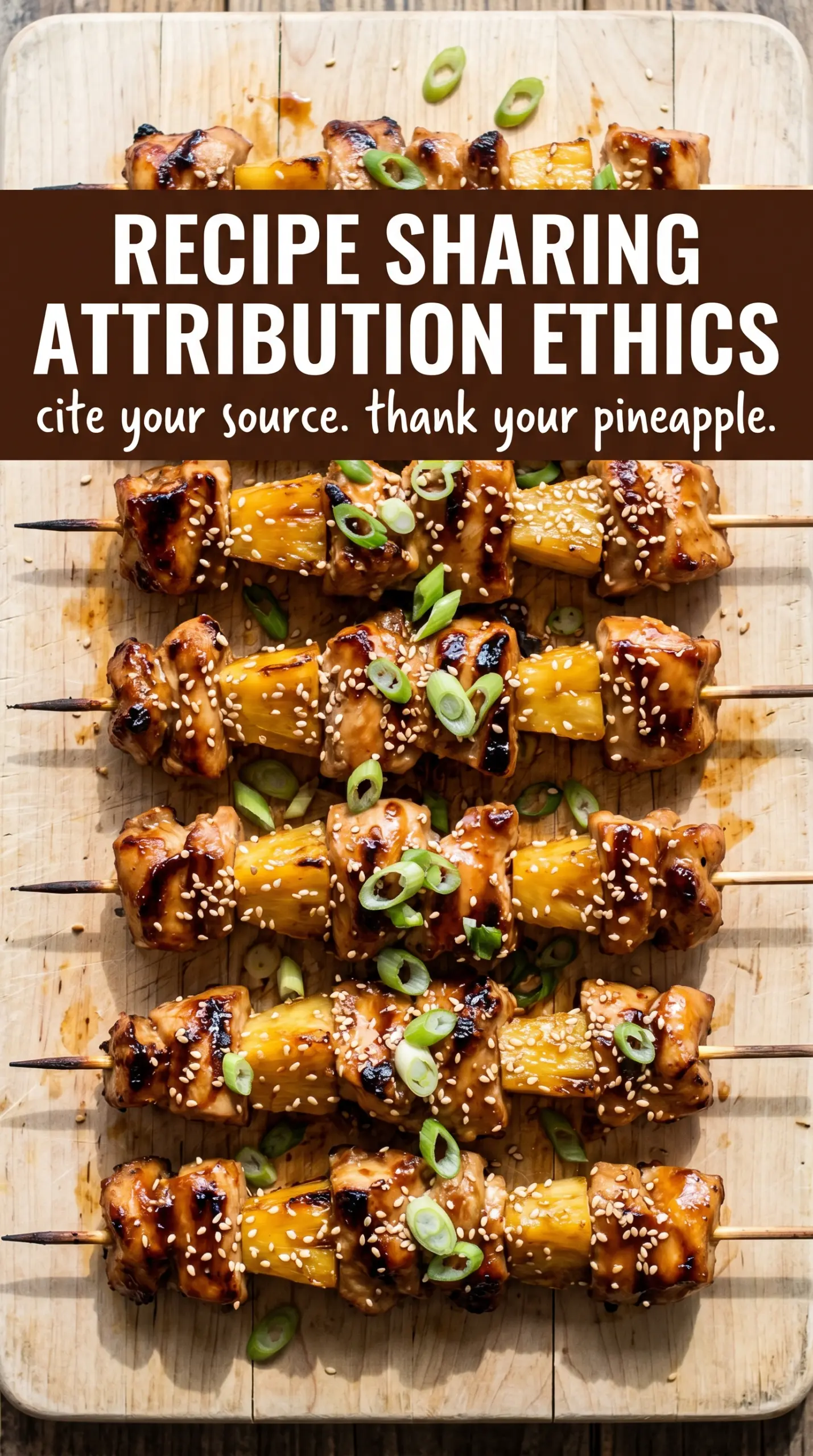
- Chicken breasts — They cook fast and stay clean-tasting, which lets the marinade and grill char do the work. Cut them into even cubes so you don’t end up with dry edges and underdone centers on the same skewer. Thighs can be used instead if you want a richer, more forgiving bite.
- Pineapple — Fresh pineapple gives the best caramelized edges and a brighter flavor than canned. If canned is what you have, drain it well and pat it dry so the skewers don’t steam on the grill.
- Bell peppers and onion — These add color, sweetness, and structure. Use firm peppers and a sturdy onion so they hold up over the heat instead of collapsing before the chicken is done.
- Soy sauce and pineapple juice — This is the backbone of the marinade. Soy sauce brings salt and depth; pineapple juice gives fruitiness and helps the glaze cling. If you need a gluten-free version, use tamari in the same amount.
- Honey — It’s what helps the kabobs lacquer up on the grill. Without it, the marinade tastes thinner and the edges won’t caramelize the same way.
- Olive oil and garlic — Olive oil keeps the marinade from tasting sharp and helps it coat the chicken evenly. Garlic gives the savory edge that keeps the sweetness in check.
Building the Skewers So Everything Finishes Together
Mixing the Marinade
Whisk the soy sauce, pineapple juice, honey, olive oil, and garlic until the honey is fully dissolved and the mixture looks glossy. If the honey sits in streaks at the bottom, it won’t coat the chicken evenly. Taste it before the chicken goes in; it should lean salty-sweet with enough garlic to notice, because grilling softens everything a bit.
Marinating the Chicken
Move the cubed chicken into the marinade and refrigerate it for 1 to 4 hours. A shallow dish or zip-top bag both work, but the chicken needs to be turned once or twice so every piece picks up flavor. Don’t leave it much longer than that unless you want the texture to get soft around the edges.
Threading the Kabobs
Alternate chicken, pineapple, peppers, and onion on the skewers so the heat can move evenly around each piece. Keep the pieces snug but not packed tight; if they’re jammed together, they steam instead of browning. If you’re using wooden skewers, soak them well so the exposed ends don’t burn before the chicken is done.
Grilling to a Sticky Finish
Set the kabobs over medium-high heat and grill for 5 to 6 minutes per side, basting with the leftover marinade as they cook. The chicken should release more easily from the grates when it’s ready to turn, and the pineapple will look caramelized at the edges. Pull everything once the chicken reaches 165°F in the thickest piece; if you wait for the fruit to look deeply browned, the chicken will overshoot.
Three Smart Ways to Adapt Pineapple Chicken Kabobs
Gluten-Free Kabobs Without Losing the Savory Edge
Swap the soy sauce for tamari in the same amount. The marinade keeps the same salty backbone and dark color, so you won’t lose the sticky grilled finish that makes these kabobs work.
Use Chicken Thighs for a Juicier Bite
Boneless skinless thighs hold up even better on a hot grill and stay tender if your timing runs a little long. They bring a deeper, richer flavor, though the kabobs will look a little less lean and light on the plate.
Make Them with What You Have in the Crisper Drawer
Zucchini, cherry tomatoes, or mushrooms can stand in for one of the peppers or the onion if that’s what you’ve got. Just keep the pieces large enough to stay on the skewer and expect softer, less sweet grill marks than you get from bell peppers.
How to Prep These Ahead for a Crowd
Marinate the chicken up to a few hours ahead, then thread the skewers just before grilling so the fruit stays firm and fresh-looking. You can also cut all the vegetables earlier in the day and keep them chilled in separate containers until you’re ready to assemble.
Storage and Reheating
- Refrigerator: Store leftovers in an airtight container for up to 3 days. The pineapple softens a little, but the flavor stays good.
- Freezer: The cooked kabobs freeze best if you pull the chicken and vegetables off the skewers first. Freeze in a sealed container for up to 2 months; the pineapple will lose some texture, but the chicken holds up well.
- Reheating: Warm gently in a skillet over medium-low heat or in a 325°F oven until heated through. High heat dries out the chicken fast, so avoid blasting it in the microwave unless you don’t mind losing the grill texture.
Answers to the Questions Worth Asking

Pineapple Chicken Kabobs
Ingredients
Equipment
Method
- In a bowl, mix soy sauce, pineapple juice, honey, olive oil, and minced garlic until honey dissolves and the glaze looks smooth.
- Set aside a small portion of marinade for basting later, then keep the rest ready for marinating.
- Add cubed chicken to the marinade, cover, and marinate for 1-4 hours in the refrigerator, turning once if possible to coat evenly (cool, glossy coating cue).
- Thread chicken, pineapple, bell peppers, and onion onto soaked wooden skewers in alternating pieces for even grilling.
- Preheat the grill to medium-high heat and grill kabobs for 5-6 minutes per side, basting with marinade during cooking (visible sear cue).
- Continue grilling until chicken reaches 165°F and pineapple is caramelized with golden edges (bubbles and sticky glaze cue).