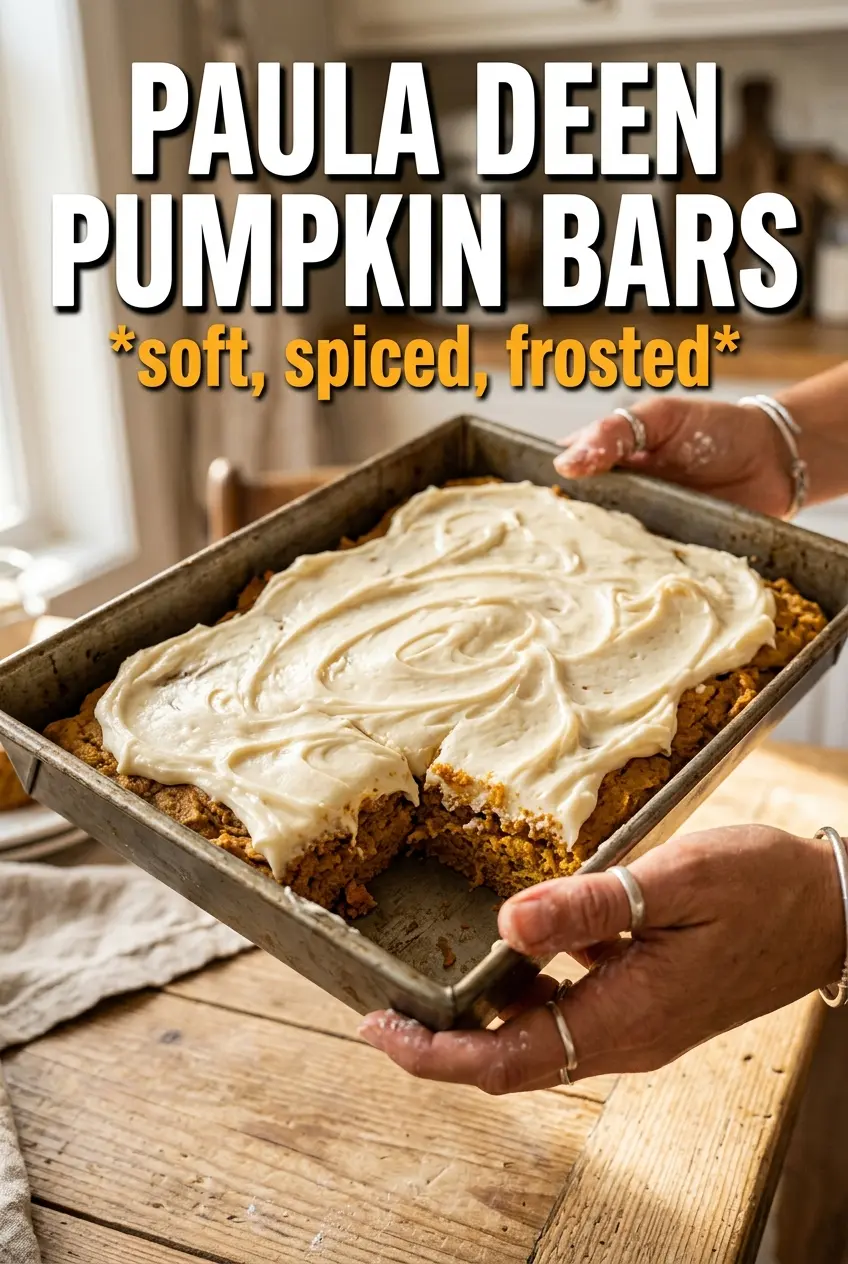
Paula Deen pumpkin bars come out soft, tender, and generous, with a thick layer of cream cheese frosting that settles into the crumb without making it soggy. The bars bake up with that old-school Southern richness people expect from this kind of dessert: plenty of pumpkin, plenty of spice, and a frosting layer that tastes like it belongs on a sheet cake, not a timid snack cake.
What makes this version work is the balance between the oil-based batter and the heavy frosting. Oil keeps the bars plush even after chilling, while the pumpkin puree adds moisture without turning the crumb dense. The spice blend leans warm rather than sharp, and that matters here because the frosting is sweet and tangy enough to carry the whole dessert.
Below, I’ll show you the one step that keeps the bars from tearing when you spread the frosting, plus a few smart swaps if you want to change the texture or make them fit what you have on hand.
The bars stayed incredibly moist for days, and the frosting spread on like silk once the cake was completely cool. I added the pecans on top and my husband kept sneaking pieces from the fridge.
Save these Paula Deen pumpkin bars for the kind of dessert that bakes up thick, frosts like a dream, and cuts into big, bakery-style squares.
The Part That Keeps These Bars Tender Instead of Dense
These bars live or die on the batter texture. Once the dry ingredients are whisked together, the pumpkin, eggs, and oil should be mixed just until the flour disappears. If you beat the batter hard at that point, the bars can bake up tighter than you want and lose that soft, cake-like crumb that makes them worth frosting.
The other trap is overbaking. Pull the pan when the center is set and a toothpick comes out with a few moist crumbs, not wet batter. The bars will continue to firm up as they cool, and that extra minute or two in the oven is often the difference between plush and dry.
- Oil — Vegetable oil gives these bars their signature softness. Butter can be used, but the crumb will be a little firmer and less plush once chilled.
- Pumpkin puree — Use plain pumpkin puree, not pumpkin pie filling. Pie filling brings extra sugar and spice that throws off both texture and balance.
- Cinnamon and pumpkin pie spice — This blend keeps the bars warm and rounded without turning them aggressively spicy. If your pumpkin pie spice is old, refresh it; stale spice tastes flat against the frosting.
- Cream cheese frosting — Let the cream cheese and butter soften fully before beating. Cold dairy leaves tiny lumps behind, and once powdered sugar goes in, those lumps are much harder to smooth out.
What Each Ingredient Is Actually Doing in the Pan
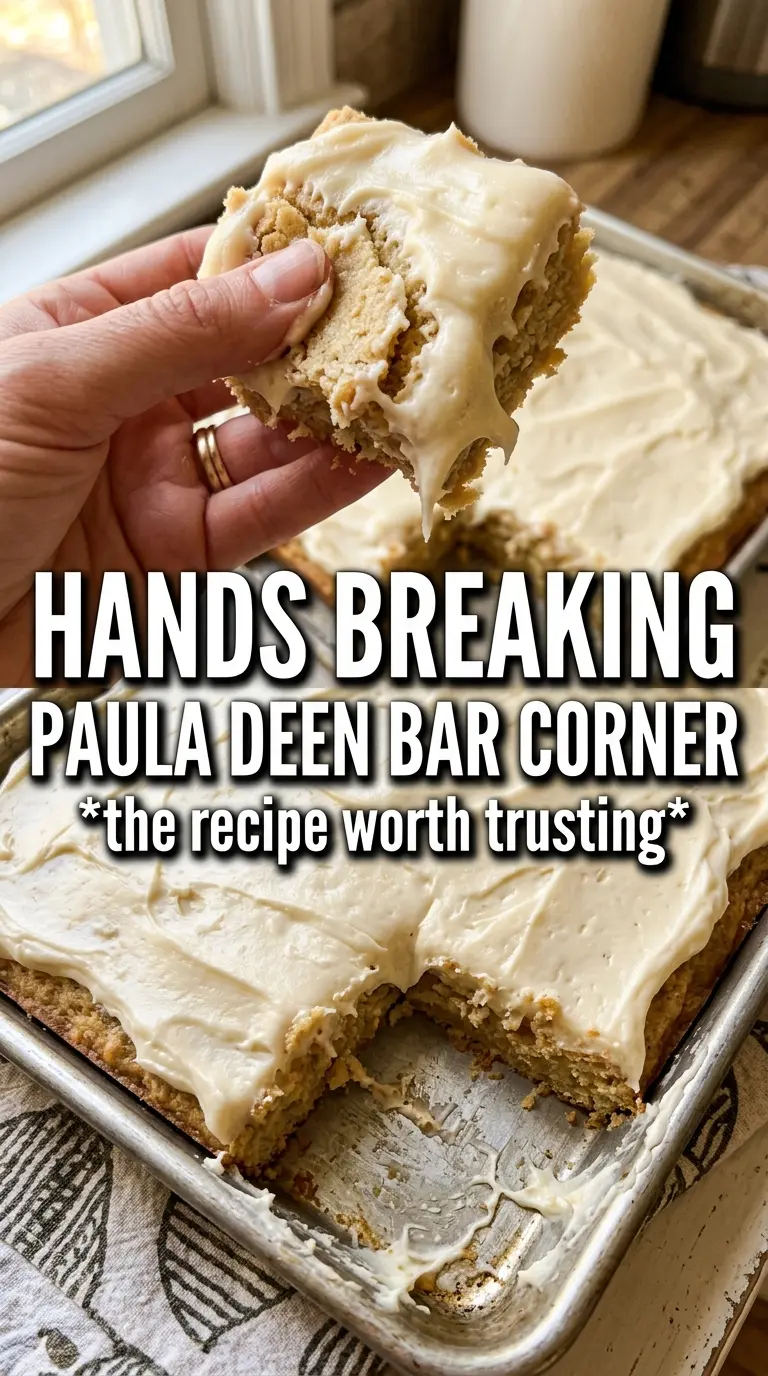
- All-purpose flour — Gives the bars enough structure to hold a thick frosting layer without collapsing. A 1:1 gluten-free baking blend works here if it includes xanthan gum.
- Granulated sugar — Sweetens the bars and helps the crumb stay moist. There’s a lot of sugar in the batter, but that’s part of what keeps the bars soft for days.
- Eggs — Bind the batter and help it rise into a light, cake-like bar. Four eggs may sound like a lot, but they’re doing the lifting in a dessert this rich.
- Cream cheese and butter — This frosting wants both. Cream cheese brings tang and body, while butter keeps it spreadable and smooth. Using low-fat cream cheese makes the frosting softer and less stable.
- Pecans — They add a little crunch and a classic Southern finish. Toast them first if you want a deeper, more noticeable nutty flavor.
Getting the Batter Baked Before the Frosting Has Its Turn
Whisk the Dry Ingredients First
Start with the flour, sugar, leaveners, spices, and salt in a large bowl. Whisking them well keeps the baking soda and baking powder from clumping, which matters because uneven leavening can leave pockets that bake up gummy or oddly peaked. This is also the easiest moment to break up any spice lumps so the flavor distributes evenly through the whole pan.
Build the Wet Mixture Until It Looks Uniform
Beat the eggs, oil, and pumpkin together until the mixture looks smooth and glossy. You don’t need to whip air into it; you just want the pumpkin fully dispersed so the bars bake evenly from edge to center. If you see streaks of pumpkin, keep mixing for another few seconds before it meets the dry ingredients.
Stop Mixing the Minute the Flour Disappears
Fold the wet ingredients into the dry ingredients and stop as soon as no dry flour remains. The batter will be thick and pourable, and that’s exactly what you want for a jelly roll pan. Overmixing here develops too much structure and can turn the bars bready instead of tender.
Bake Until Set, Not Dry
Spread the batter evenly into the greased pan and bake at 350°F until the center springs back lightly and a tester comes out with a few crumbs. If the edges pull too far away from the pan or the top starts to crack deeply all over, it has gone too long. Cool the bars completely before frosting, or the cream cheese layer will melt and slide right off.
Beat the Frosting Smooth and Spread It Generously
Mix the cream cheese and butter first until the base is completely smooth, then add the vanilla and powdered sugar gradually. If you dump in all the sugar at once, it can cloud up the kitchen and leave the frosting grainy before it has a chance to come together. Spread it over a fully cooled pan in a thick layer, then finish with pecan halves for the classic look.
How to Adapt These Pumpkin Bars Without Losing What Makes Them Good
Dairy-Free Frosting
Use plant-based cream cheese and vegan butter in equal amounts. The frosting will still be tangy and spreadable, though it usually softens faster than the original, so keep the bars chilled until serving.
Gluten-Free Version
Swap in a cup-for-cup gluten-free flour blend with xanthan gum. The bars will be just a touch more delicate, so cool them completely in the pan before frosting and cutting.
Less-Sweet Version
Reduce the powdered sugar in the frosting by about 1/2 cup if you want more tang and less sweetness. The frosting will be a little softer, but still spread well over the cooled bars.
Storage and Reheating
- Refrigerator: Store covered for up to 5 days. The frosting firms up in the fridge, but the bars stay moist.
- Freezer: These freeze well. Freeze unfrosted bars for the best texture, or freeze frosted squares in a single layer until solid, then wrap tightly.
- Reheating: Bring chilled bars to room temperature before serving. If you warm them, do it briefly and gently; too much heat softens the frosting and makes the top slide.