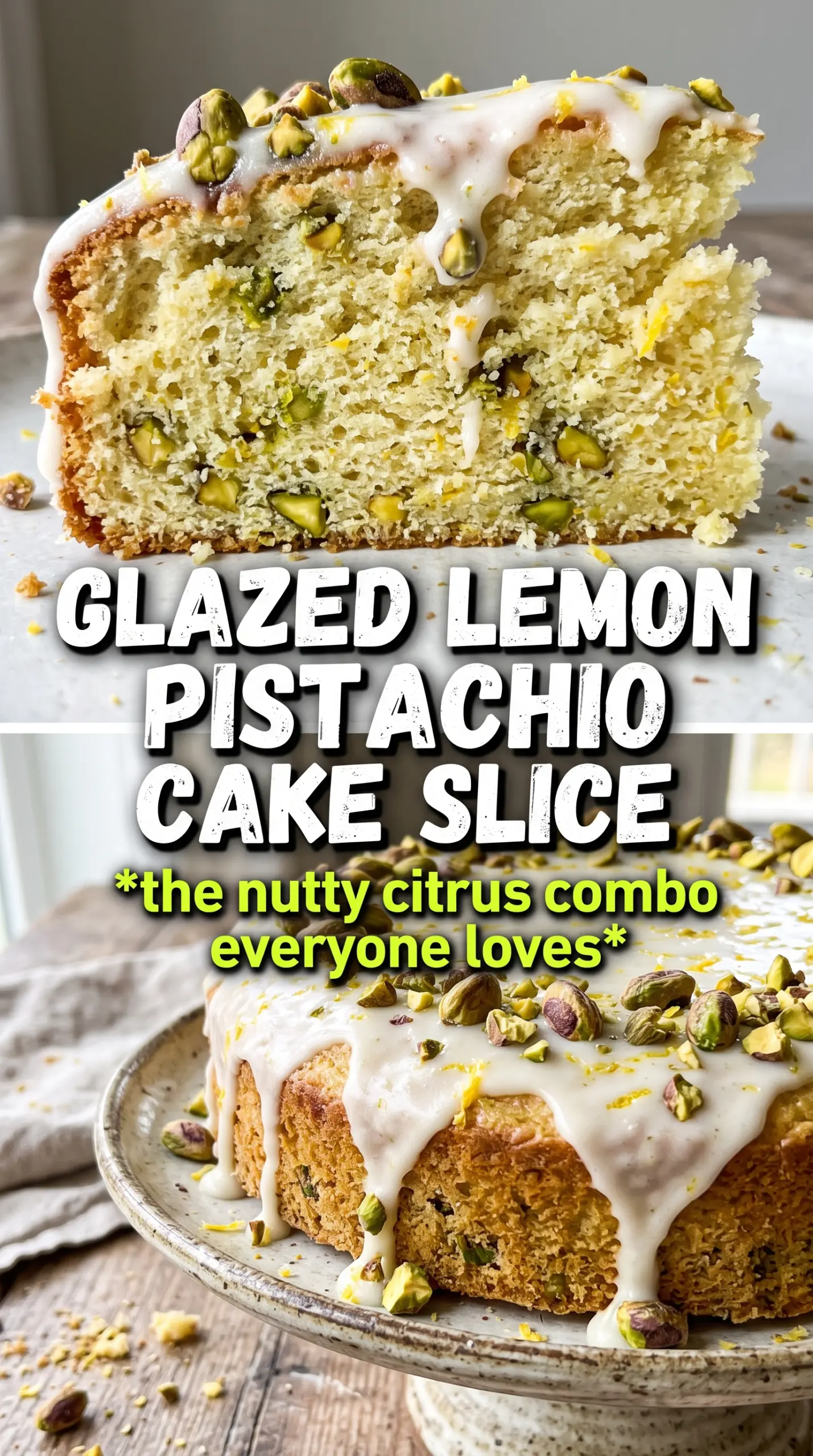
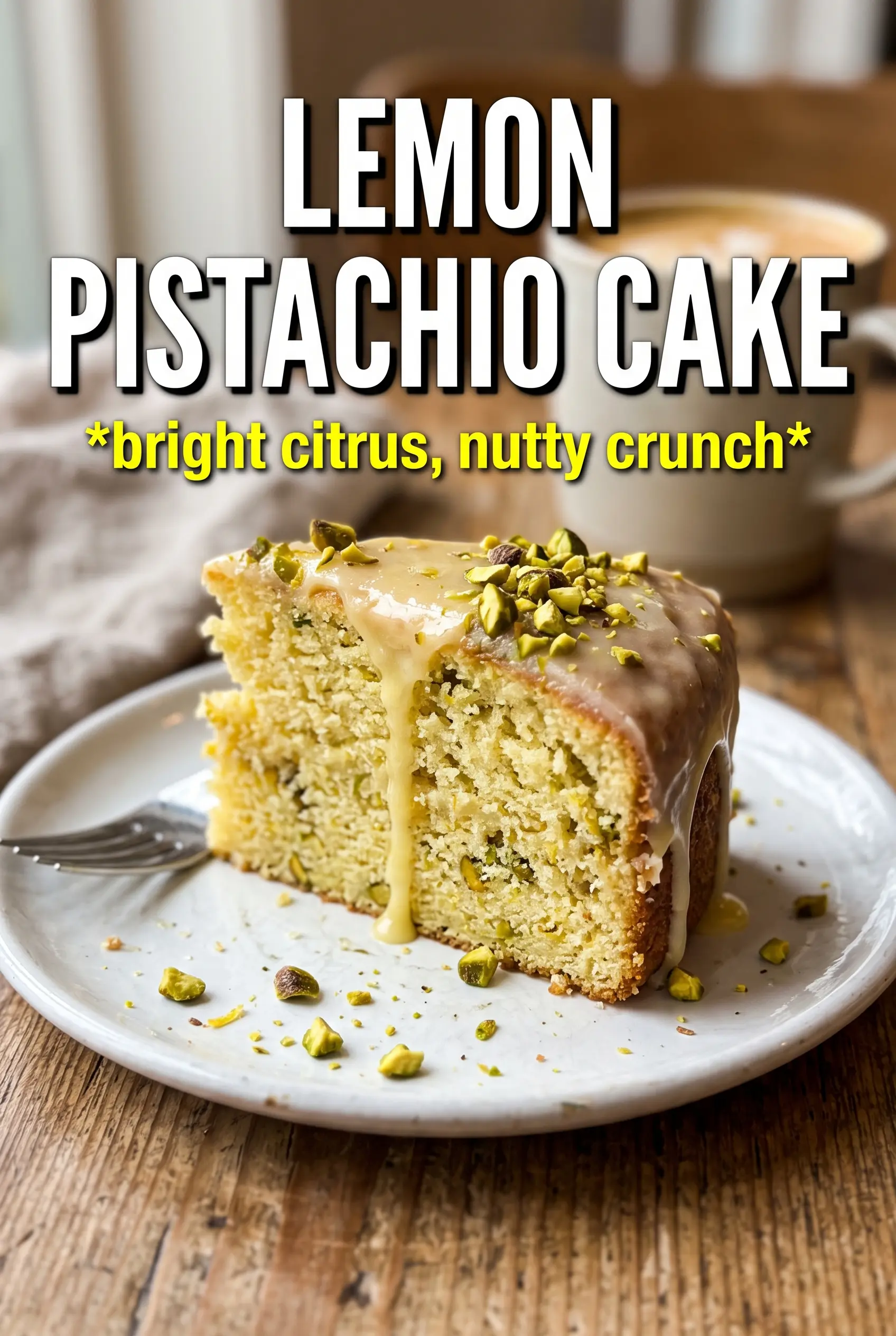
Lemon pistachio cake has a way of tasting polished without feeling fussy: soft, fragrant layers, a pale green crumb, and a bright lemon frosting that cuts through the richness just enough. The pistachios bring a warm, nutty depth that keeps the cake from leaning flat or overly sweet, and the texture stays tender instead of dense when the nuts are ground finely and folded in with a light hand.
What makes this version work is the balance. Sour cream adds moisture without making the crumb heavy, while fresh lemon zest and juice give the cake a clean citrus edge that holds up against the cream cheese frosting. The pistachios do double duty here, adding flavor and structure, but they need to be ground to a true meal so the cake bakes evenly instead of turning sandy.
Below, I’ve included the few details that matter most: how to keep the layers even, how to avoid a greasy frosting, and the small finishing touches that make this cake look as good as it tastes.
The pistachio flavor came through beautifully, and the lemon cream cheese frosting stayed thick enough to stack without sliding. I ground the nuts fine like you said, and the crumb baked up so tender.
Save this lemon pistachio cake for the days when you want a showy layer cake with a nutty crumb and bright lemon frosting.
The Trick to Keeping Pistachio Cake Soft Instead of Heavy
Ground pistachios act like both flavoring and flour here, which is exactly why this cake can go wrong if you overprocess the nuts or overmix the batter. You want a fine meal, not a paste. If the pistachios start clumping in the food processor, stop and pulse again after scraping the bowl. A little texture is fine, but pockets of oily nut butter can weigh the cake down and make the crumb greasy.
The other place people lose the texture is after the dry ingredients go in. Fold just until the flour disappears and the batter looks evenly speckled. The batter should be thick but still spoonable. If it looks stiff, the pistachios were probably packed too tightly when measured or the flour was overmixed in, and the cake will bake up denser than it should.
- Ground pistachios — These bring the signature flavor and a soft, almost plush crumb. Use unsalted shelled pistachios and grind them finely with part of the flour if your processor tends to turn nuts oily.
- Sour cream — This is what keeps the cake moist without making it wet. Full-fat yogurt works in a pinch, but the crumb will be a little lighter and less rich.
- Fresh lemon zest and juice — The zest carries the real lemon aroma; the juice sharpens the batter. Bottled juice tastes flatter here, so use fresh if you can.
- Cream cheese frosting — It balances the sweet nutty cake with tang and body. Let the cream cheese and butter soften fully before beating, or the frosting turns lumpy and stubborn.
What Each Ingredient Is Actually Doing in This Recipe
- Primary ingredient (the star) — Quality matters most. Choose the best you can find.
- Cooking medium (oil, butter, or broth) — This carries flavors and prevents dryness.
- Seasonings (salt, pepper, spices, herbs) — Layer flavors so nothing overpowers. Build depth gradually.
- Aromatics (garlic, onion, herbs) — Cook with fat to bloom flavors. Become the foundation.
- Supporting ingredients — Complement the main ingredient without overpowering it.
- Sauce or liquid (if applicable) — Brings flavors together. Balance richness with acid.
- Acid (lemon, vinegar, wine, or other) — Brightens and prevents flat-tasting results.
- Final finish (garnish, glaze, or sauce) — Prevents one-dimensional taste and adds visual appeal.
Building the Layers Before the Frosting Goes On
Mixing the Nutty Base
Whisk the ground pistachios, flour, baking powder, and salt together first so the nuts disperse evenly. Cream the butter and sugar until the mixture looks pale and fluffy; that step is doing the work of aerating the cake, so don’t rush it. Add the eggs one at a time and wait until each one disappears before adding the next. That keeps the batter smooth and stops it from curdling.
Bringing in the Lemon and Sour Cream
Stir in the lemon zest, lemon juice, and sour cream after the eggs are incorporated. The batter may look a little separated at this stage, but it comes together once the dry ingredients are folded in. If you dump the sour cream in too early, the mixture can look broken and make the batter harder to blend evenly. Fold gently at the end so the pistachio mixture stays light instead of compressed.
Baking to the Right Point
Divide the batter evenly between the pans so the layers bake at the same speed. Bake until the tops spring back lightly and a toothpick comes out clean or with a few moist crumbs. If the centers still look shiny, give them a few more minutes; underbaked pistachio cake can sink as it cools. Let the layers cool completely before frosting, or the cream cheese frosting will slide and loosen.
Making the Frosting and Finishing Cleanly
Beat the cream cheese and butter until smooth before adding the sugar, lemon juice, and zest. If the frosting looks loose, it usually means the butter was too warm or the sugar went in before the base was fully creamy. Chill it briefly if needed. Once the cake is filled and frosted, press the crushed pistachios around the sides and finish with lemon zest curls on top for a neat, bakery-style look.
How to Adapt This Lemon Pistachio Cake for Different Kitchens
Dairy-Free Version
Use dairy-free butter and a thick coconut-based yogurt in place of the sour cream, then frost with a dairy-free cream cheese alternative. The cake will still be moist and fragrant, but the frosting will be a little softer, so chill it before assembling.
Gluten-Free Swaps That Still Hold Together
Replace the all-purpose flour with a good 1:1 gluten-free baking blend that includes xanthan gum. The pistachios already add structure, so the cake stays tender, but you may need an extra minute or two in the oven because gluten-free batters often bake a little slower in the center.
Turning It Into Cupcakes
Fill lined cupcake wells about two-thirds full and start checking them around 18 to 20 minutes. You’ll get a more delicate crumb and less of the dramatic layer-cake look, but the lemon-pistachio combination stays intact and the frosting pipes neatly on top.
Storage and Reheating
- Refrigerator: Store covered for up to 5 days. The crumb stays moist, and the frosting firms up slightly.
- Freezer: Freeze unfrosted layers wrapped tightly for up to 2 months. Thaw in the fridge, then frost after the layers are fully defrosted for the cleanest finish.
- Reheating: Bring slices to room temperature before serving. Cold cake mutes the lemon and makes the frosting taste dense instead of creamy.
Questions I Get Asked About This Recipe
Lemon Pistachio Cake
Ingredients
Equipment
Method
- Preheat the oven to 350°F and grease two 9-inch round pans; line with parchment so the layers release cleanly.
- Whisk the finely ground pistachios, all-purpose flour, baking powder, and salt together until evenly combined.
- Beat the softened butter and granulated sugar until fluffy, then add the eggs one at a time and beat just until incorporated.
- Stir in the lemon zest, lemon juice, and sour cream until the batter looks smooth and lightly thickened.
- Fold the pistachio flour mixture into the batter until no dry streaks remain.
- Divide the batter between the pans and bake for 30-35 minutes at 350°F until a toothpick comes out clean.
- Cool the cakes completely before frosting, about 1 hour, so the crumb stays tender and the frosting won’t melt.
- Beat the softened cream cheese and butter until smooth, with no visible lumps.
- Add the powdered sugar, lemon juice, and lemon zest, then beat until fluffy and spreadable.
- Fill and frost the cake with the lemon cream cheese frosting, keeping the layers level and the sides covered.
- Press crushed pistachios around the sides so the frosting lightly adheres and the exterior looks pistachio-studded.
- Arrange lemon zest curls on top for a bright citrus finish.