Citrus-marinated chicken gets a beautiful char on the grill and stays juicy underneath, with just enough sweetness to round out the lime and garlic. The flavor is bright without being sharp, and the quick glaze from the marinade clings to the chicken instead of disappearing into the fire. It’s the kind of chicken that tastes like it took a lot more effort than it did.
What makes this version work is the balance in the marinade. Key lime juice brings a clean, floral tartness, while orange juice and honey soften the edges so the chicken doesn’t end up one-note or overly acidic. A little cumin gives it warmth in the background, and the oil helps the marinade coat the meat evenly so the grill gets a little caramelization instead of just drying the surface out.
Below you’ll find the small details that matter: how long to marinate for the best texture, how to keep the chicken from sticking to the grates, and what to do if you only have regular limes on hand. Those are the bits that make this recipe repeatable, not just tasty once.
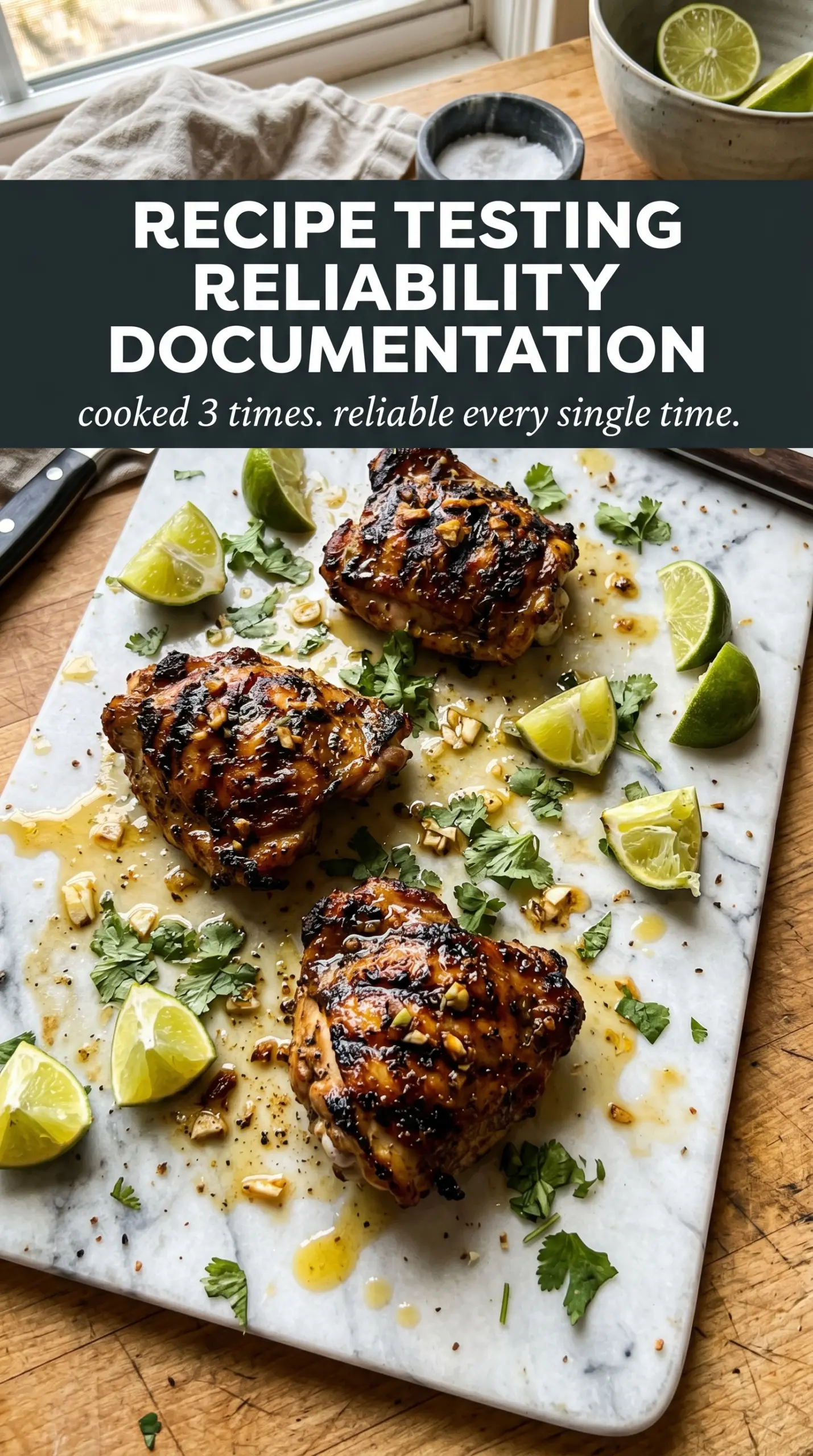
The chicken came off the grill juicy with that little bit of char, and the lime-honey marinade thickened just enough to taste like a glaze. I used regular limes and it still had that bright Key West flavor everyone kept talking about.
Save this Key West Grilled Chicken for juicy citrus-marinated chicken with charred edges and a bright Key lime finish.
The Marinade Needs Acid, Sweetness, and Fat in Balance
The mistake with citrus chicken is leaning too hard on the lime and calling it done. Too much acid can make the surface of the chicken tight and chalky before it ever hits the grill, especially if you leave it too long. This marinade works because the orange juice and honey soften the lime, while the olive oil helps the flavor spread across the meat instead of concentrating in spots.
Another thing that matters here is time. Two hours gives you good flavor without making the texture muddy. Go much beyond six hours and the acid starts changing the chicken in a way that can turn the outside a little mealy, especially if you’re using smaller pieces. This is one of those recipes where restraint pays off.
What Each Ingredient Is Actually Doing in This Chicken
- Key lime juice — This is the sharp, unmistakable note that gives the chicken its Key West character. Regular lime works fine if that’s what you have, but Key lime brings a slightly softer, more floral acidity.
- Orange juice — This rounds out the marinade and keeps the citrus from tasting one-dimensional. Fresh juice is best here because bottled juice can taste flat, but either way it helps the glaze cling and brown a little on the grill.
- Olive oil — Don’t skip it. It helps the marinade coat the chicken evenly and protects the surface from drying out over high heat.
- Honey — This is what gives you those lightly caramelized edges. It also balances the acid so the marinade tastes bright instead of harsh.
- Cumin and garlic — These bring depth underneath the citrus. The chicken tastes more complete with them, and neither should be so heavy that it pulls the dish away from its bright, tropical feel.
- Chicken pieces — Bone-in pieces stay juicier on the grill, but boneless thighs or breasts work if you shorten the cook time and watch the temperature closely.
How to Get the Char Without Drying Out the Chicken
Whisk the Marinade Until It Looks Smooth
Combine the lime juice, orange juice, olive oil, garlic, honey, cumin, salt, and pepper until the honey dissolves and the mixture looks unified instead of streaky. If the honey is sitting in little ribbons, it hasn’t blended enough and won’t coat the chicken evenly. This is also the point where you taste the marinade and adjust the salt, because once the chicken goes in, that flavor gets locked in.
Let the Chicken Soak, But Don’t Overdo It
Marinate the chicken for 2 to 6 hours. Two hours gives you clean citrus flavor and a good surface glaze; six hours pushes it deeper. If you leave it overnight, the acid can start to work against the texture and the chicken may lose its snap when it cooks.
Grill Over Medium-High Heat
Let excess marinade drip off before the chicken hits the grill, or the sugars can burn before the meat cooks through. You want active sizzling when it lands on the grates, then steady browning as it cooks. If the outside is darkening too fast, move the pieces to a cooler spot on the grill and finish them there instead of chasing flare-ups.
Rest Before You Serve
Pull the chicken when the thickest part reaches 165°F and let it rest for 5 minutes. That short rest keeps the juices inside the meat instead of spilling onto the cutting board the second you slice in. Finish with cilantro and lime wedges so the fresh herbs and extra citrus wake everything back up right at the table.
How to Adapt the Citrus Marinade for Different Grills and Diets
Use boneless chicken thighs for the juiciest result
Boneless thighs cook faster and stay forgiving if your grill runs hot. They won’t give you quite the same dramatic presentation as bone-in pieces, but they pick up the marinade beautifully and stay moist even if they go a minute long.
Swap in regular lime juice when Key limes aren’t available
Regular lime gives you a cleaner, slightly stronger citrus edge. The flavor won’t be quite as floral, so the orange juice matters even more here to keep the marinade balanced and mellow the sharpness.
Make it dairy-free and gluten-free without changing the dish
This recipe already fits both diets as written, which is part of why it’s such an easy keeper. Just watch any bottled citrus or spice blends you add on the side, since those can sneak in sugar or starches depending on the brand.
Turn it into a crowd-friendly grilling platter
Double the marinade and grill extra chicken for sandwiches, rice bowls, or chopped salads the next day. The flavor holds up well cold, and the citrus-cumin combination gets even better once the chicken has had time to settle.
Storage and Reheating
- Refrigerator: Store leftovers in an airtight container for up to 4 days. The citrus flavor holds well, though the grilled edges will soften a bit.
- Freezer: Freeze cooked chicken for up to 2 months. Wrap it tightly and thaw in the refrigerator so the texture stays as even as possible.
- Reheating: Reheat gently in a covered skillet with a splash of water or broth over low heat, or warm it in a 300°F oven. High heat dries out grilled chicken fast, so don’t blast it in the microwave unless you’re using it chopped in a bowl or wrap.
Questions I Get Asked About This Recipe

Key West Grilled Chicken
Ingredients
Equipment
Method
- Whisk together Key lime juice, orange juice, olive oil, minced garlic, honey, cumin, salt, and pepper until smooth and slightly glossy. Visual cue: the mixture looks uniform with no honey streaks.
- Place chicken pieces on a sheet pan and pour the marinade over them, turning to coat. Cover and refrigerate for 2 to 6 hours; visual cue: chicken surface should look more vibrant and moist after marinating.
- Preheat the grill to medium-high heat and grill chicken until the internal temperature reaches 165°F. Cook time is about 25 minutes total; visual cue: visible char appears on the edges and juices run clear when pierced at the thickest part.
- Let the chicken rest for 5 minutes before serving. Visual cue: it firms slightly and stays juicier; garnish with fresh cilantro and lime wedges right after resting.