Glossy, sticky Honey Garlic Asian Chicken Kabobs hit the grill with the kind of caramelized edges that make people wander back for “just one more.” The chicken stays juicy, the pineapple turns smoky at the edges, and the peppers and onions pick up enough char to balance the sweet-salty glaze. It’s the kind of skewer recipe that looks like you worked harder than you did, which is always a win on grill night.
The trick here is in the marinade balance and the basting. Honey brings the shine, soy sauce brings depth, rice vinegar keeps the glaze from tasting flat, and sesame oil adds that toasted finish that reads instantly as savory. Reserving a portion of the marinade before the raw chicken goes in is what gives you a safe, glossy sauce for the last minute or two of grilling instead of a sticky mess that burns before the chicken is cooked through.
Below, I’ll walk through the part that matters most: how to keep the kabobs juicy while still getting color, plus the small ingredient swaps that work when you need them.
The glaze caramelized beautifully and the chicken stayed tender even after grilling. I soaked the skewers and didn’t have a single burnt one, which made cleanup easier than I expected.
Save these Honey Garlic Asian Chicken Kabobs for the nights when you want sticky glaze, smoky char, and dinner on the grill in under 15 minutes.
The Marinade Needs Balance, Not Just Sweetness
Honey is what gives these kabobs their lacquered finish, but too much of it and the glaze will scorch before the chicken finishes cooking. Soy sauce and rice vinegar keep that sweetness in check, and the garlic and ginger make the whole thing taste layered instead of sticky. This is the kind of marinade that needs a little restraint; it should coat the chicken, not drown it.
The other big mistake is basting with marinade that touched raw chicken. That’s why this recipe reserves a clean portion before the chicken goes in. If you skip that step, you’ve got no safe glaze for the final brush-on, and if you try to boil the used marinade into a sauce at the end, it still won’t give you the same clean, glossy finish on the grill.
What Each Ingredient Is Actually Doing In These Kabobs
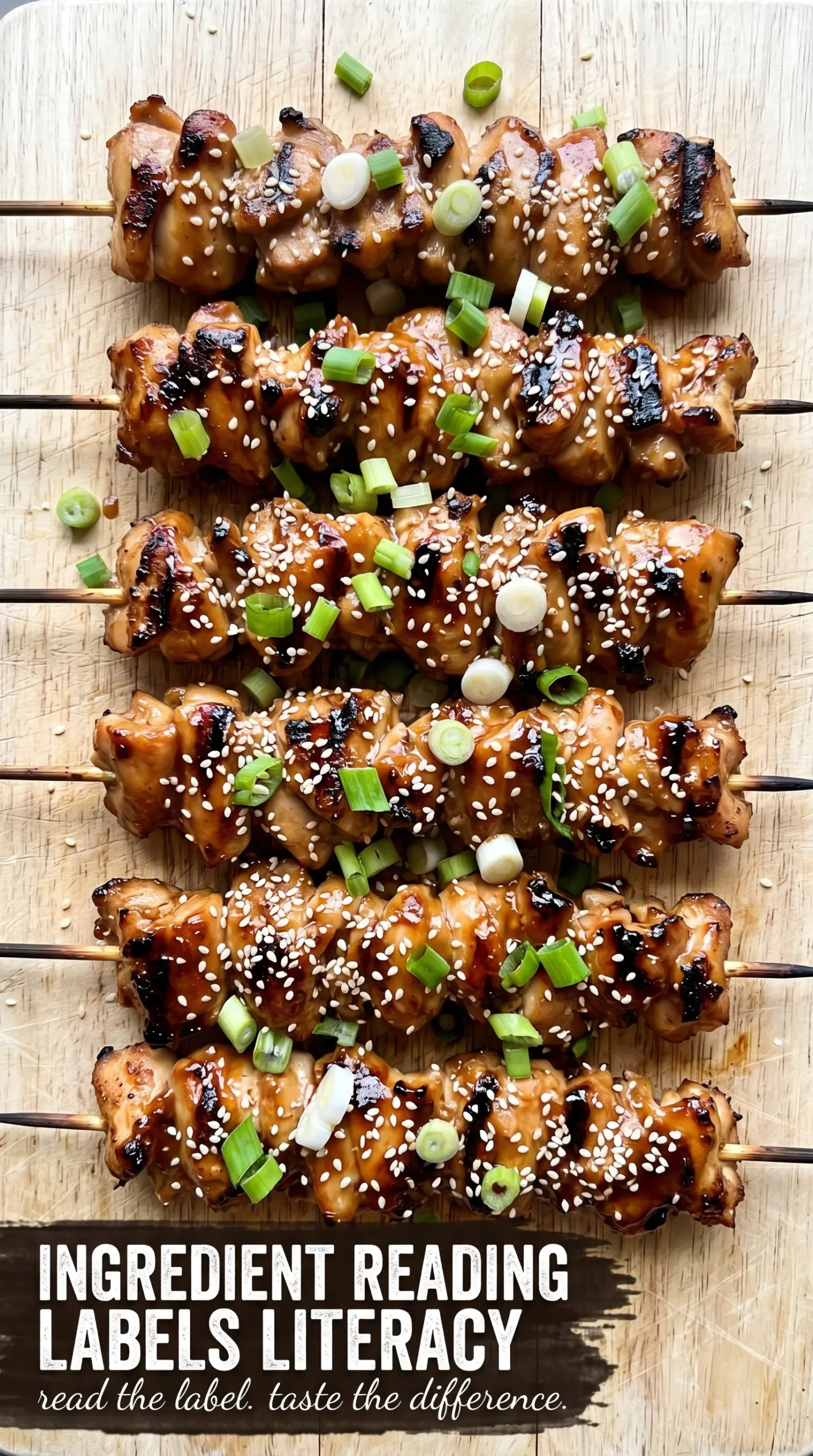
- Chicken breasts — Cubed breast meat cooks fast and soaks up the marinade well. Cut the pieces evenly so the skewers finish at the same time; if some pieces are much larger, the smaller ones will dry out before the bigger ones are cooked through. Chicken thighs also work if you want a little more forgiveness and a richer bite.
- Honey — This is the ingredient that caramelizes into that shiny glaze. Raw honey or standard grocery-store honey both work fine here, but don’t increase it unless you’re willing to watch the grill closely, because extra sugar means faster browning and a higher chance of burning.
- Soy sauce — It brings the salty backbone and the deep savory note that keeps the kabobs from tasting like dessert. Low-sodium soy sauce is a good swap if that’s what you keep in the pantry; the flavor is a little lighter, but the balance still works.
- Rice vinegar — This is what keeps the marinade bright. If you don’t have it, apple cider vinegar is the closest substitute, though it’s a touch sharper. Use a little less if yours is especially pungent.
- Sesame oil — A small amount goes a long way, and it gives the glaze that toasted finish people notice even if they can’t name it. Don’t replace it with neutral oil if you want the same character; neutral oil will keep the texture but lose the aroma.
- Fresh ginger and garlic — These need to be fresh for the cleanest flavor. Jarred garlic and paste-style ginger will work in a pinch, but they read softer and less vivid once grilled.
- Pineapple, peppers, and onions — The vegetables and fruit aren’t just color; they add moisture and contrast. Pineapple especially helps echo the sweet glaze, and the peppers and onions soften just enough on the grill to keep each bite balanced.
Building the Glaze So It Caramelizes, Not Burns
Whisking the Marinade
Whisk the honey, soy sauce, garlic, rice vinegar, sesame oil, and ginger until the honey loosens and everything looks evenly combined. If the honey is thick, let the bowl sit for a minute after whisking and stir once more; a half-mixed marinade leaves some pieces over-salty and others under-seasoned. Reserve 1/4 cup before the chicken goes in so you have a clean basting sauce later.
Marinating the Chicken
Add the chicken to the remaining marinade and let it sit for 1 to 4 hours. Less than an hour won’t give the meat enough time to pick up the flavor, and much longer than 4 hours can start to soften the outside of the chicken too much because of the vinegar. Keep it refrigerated the whole time, and turn the bowl once or twice if the chicken isn’t fully submerged.
Assembling the Skewers
Thread the chicken, peppers, onions, and pineapple onto soaked wooden skewers, leaving a little space between pieces so the heat can move around them. Packed skewers steam before they brown, which is the fastest way to lose that grilled edge. Try to place similar-sized pieces together so nothing overcooks while you wait for the thickest chunks to finish.
Grilling and Basting
Grill over medium-high heat for 5 to 6 minutes per side, turning once, and brush with the reserved marinade during the last few minutes. If you baste too early, the honey can darken before the chicken is cooked through. You’re looking for clear grill marks, firm chicken with just a little spring, and vegetables that have softened at the edges without going mushy.
Three Useful Ways to Change These Skewers Without Losing the Point
Chicken Thighs for a Juicier Skewer
Swap the chicken breasts for boneless, skinless thighs if you want a richer, more forgiving result. Thighs handle a little extra grill time without drying out, and they stand up nicely to the sweet glaze. Keep the pieces similar in size so they still cook evenly, because thighs can mask uneven cutting for a while and then suddenly catch up fast.
Gluten-Free Version
Use tamari or a certified gluten-free soy sauce in place of regular soy sauce. The flavor stays close, and the marinade still caramelizes the same way because the sugar comes from the honey, not the soy. Check your bottle if you’re cooking for someone sensitive, because some soy sauces add wheat even when the label looks plain.
No Pineapple, Still Balanced
If you don’t want pineapple on the skewers, leave it out and add a few extra onion and pepper chunks. The kabobs will still taste balanced, but you’ll lose some of the sweet-tart contrast and a bit of moisture from the fruit. In that case, baste a little more carefully near the end so the glaze carries the sweetness the pineapple would have added.
Storage and Reheating
- Refrigerator: Store leftovers in an airtight container for up to 3 days. The glaze will thicken as it chills, and the vegetables will soften a bit.
- Freezer: The cooked chicken freezes well for up to 2 months, though the peppers and onions will lose some texture. Freeze in a flat layer if you can, then thaw overnight in the fridge.
- Reheating: Reheat gently in a skillet over medium-low heat or in a 300°F oven until warmed through. High heat dries out the chicken fast and can turn the glaze sticky in the wrong way.
Answers to the Questions Worth Asking

Honey Garlic Asian Chicken Kabobs
Ingredients
Equipment
Method
- In a bowl, whisk honey, soy sauce, garlic, rice vinegar, sesame oil, and ginger until the mixture looks uniform and glossy.
- Pour off and reserve 1/4 cup marinade for basting during grilling.
- Add cubed chicken to the remaining marinade and toss to coat, then cover and marinate for 1-4 hours in the refrigerator until the chicken looks slightly darker.
- Thread chicken, bell peppers and onions chunks, and pineapple chunks onto soaked wooden skewers with even spacing so the pieces cook at the same rate.
- Preheat the grill to medium-high heat, then place skewers on the grates and grill for 5-6 minutes per side, brushing with the reserved marinade as you cook for visible glaze.
- Flip the kabobs once during cooking so both sides develop browned, caramelized edges and the glaze clings to the chicken and fruit.
- Finish by sprinkling sesame seeds and topping with green onions so the kabobs look fresh and garnished.