These copycat Pillsbury pumpkin cookies bake up thick, soft, and just sweet enough, with that familiar slice-and-bake look that makes them feel a little nostalgic before you even take a bite. The edges set into a delicate golden ring while the centers stay tender, and the cream cheese frosting gives each cookie the same bakery-style finish people expect from the original.
What makes this version work is the balance between moisture and structure. Pumpkin puree brings flavor, but it also brings water, so it needs to be blotted dry before it goes into the dough. That small step keeps the cookies from spreading too much and helps the log hold its shape in the fridge, which is what gives you those neat, thick rounds instead of soft little puddles.
Below, I’ve included the exact cue I watch for when the dough is ready to slice, plus the one frosting trick that keeps the tops smooth instead of runny. If you’ve ever wanted that classic store-bought pumpkin cookie at home, this is the version that gets close enough to make the boxed one unnecessary.
I blotted the pumpkin like you said and the cookies actually held their shape. The centers stayed soft, and the cream cheese frosting set up perfectly after an hour.
Save these copycat Pillsbury pumpkin cookies for the days when you want thick slice-and-bake cookies with cream cheese frosting and no bakery run.
The Trick to Keeping Slice-and-Bake Cookies Thick Instead of Puffy
The biggest mistake with pumpkin cookies is treating the dough like a regular drop cookie dough. Pumpkin adds moisture, and if that moisture stays in the dough, the cookies spread too much and lose the clean, bakery-style edges that make these recognizable. Blotting the pumpkin puree dry first is what keeps the dough firm enough to roll into a log and slice neatly after chilling.
Chilling also matters more here than it does in a lot of cookie recipes. You’re not just firming up the butter; you’re giving the flour time to absorb the pumpkin and egg so the dough slices instead of smearing under the knife. If the log feels sticky after an hour, it needs a little more time in the fridge, not more flour dumped in all at once.
- Pumpkin puree — Use plain pumpkin puree, not pumpkin pie filling. The pie filling already has sugar and spice added, which throws off both the texture and the seasoning. After blotting, it should look noticeably drier and feel more like a thick paste than a loose puree.
- Butter — Softened butter helps the cookies spread just enough to look tender, but melted butter would make them greasy and flat. If your kitchen is warm, chill the dough longer instead of trying to force a firmer dough with extra flour.
- Flour — All-purpose flour gives the cookies enough structure to slice cleanly after chilling. A heavy hand with the flour makes the cookies dry, so spoon and level it rather than scooping straight from the bag.
- Cream cheese frosting — Full-fat cream cheese gives the frosting the right tang and body. Reduced-fat versions tend to loosen up and can make the tops slide instead of sitting in a neat swirl.
What Each Ingredient Is Actually Doing in This Recipe
- Primary ingredient (the star) — Quality matters most. Choose the best you can find.
- Cooking medium (oil, butter, or broth) — This carries flavors and prevents dryness.
- Seasonings (salt, pepper, spices, herbs) — Layer flavors so nothing overpowers. Build depth gradually.
- Aromatics (garlic, onion, herbs) — Cook with fat to bloom flavors. Become the foundation.
- Supporting ingredients — Complement the main ingredient without overpowering it.
- Sauce or liquid (if applicable) — Brings flavors together. Balance richness with acid.
- Acid (lemon, vinegar, wine, or other) — Brightens and prevents flat-tasting results.
- Final finish (garnish, glaze, or sauce) — Prevents one-dimensional taste and adds visual appeal.
Building the Dough So It Slices Cleanly
Whipping the Butter and Sugar
Start by beating the butter and sugar until the mixture looks pale and fluffy, not just combined. That step traps air and helps the cookies bake up with a soft center. If the butter is too cold, the mixture will look grainy and never lighten properly; if it’s too soft, the dough can turn greasy and the cookies may spread more than you want.
Adding the Pumpkin Without Turning the Dough Soft
Mix in the blotted pumpkin, egg, and vanilla just until smooth. The dough may look a little looser at this stage, and that’s fine, because the flour hasn’t gone in yet. The key is keeping the pumpkin dry enough that the dough still feels thick after the wet ingredients are added.
Bringing the Dough Together
Fold in the dry ingredients until the dough holds together and feels firm enough to shape. It should be soft, but not sticky or pourable. If it sticks heavily to your hands, it usually means the pumpkin was too wet, and chilling alone won’t completely fix that.
Rolling, Chilling, and Slicing
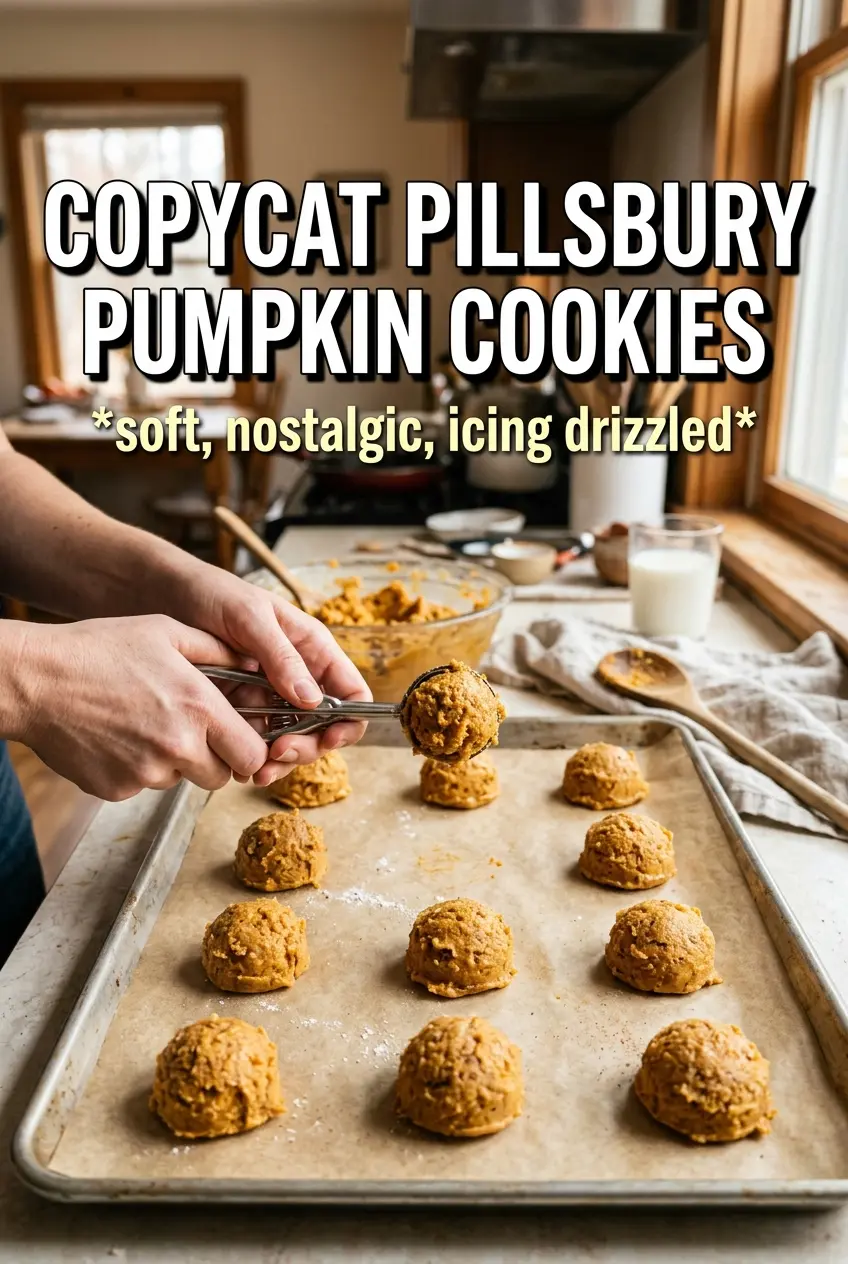
Form the dough into a log, wrap it tightly in parchment, and chill it until it feels solid all the way through. That chill time gives you round slices instead of squashed ovals. Use a sharp knife and cut in one steady motion so the edges stay clean; sawing back and forth can distort the rounds and make them bake unevenly.
Baking and Frosting the Finish
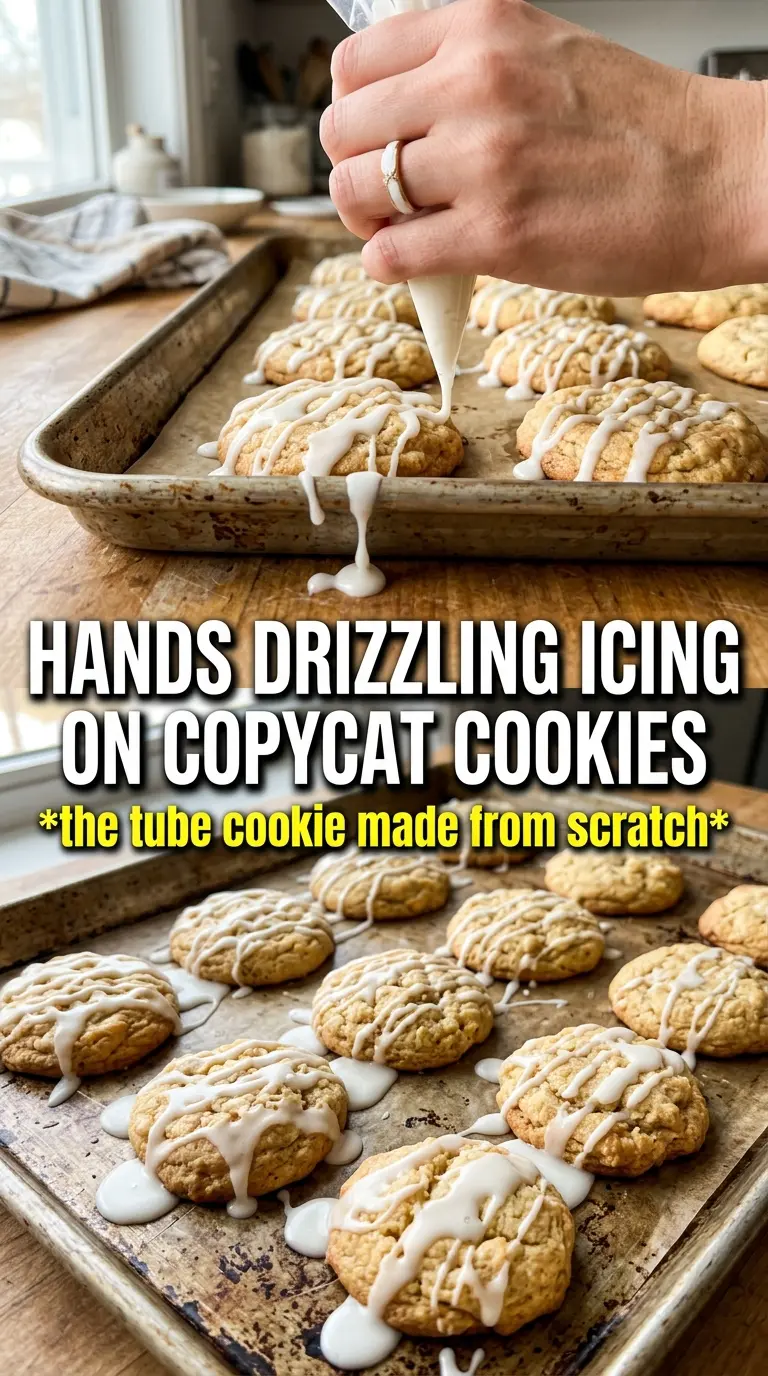
Bake the cookies until the edges are set and the centers no longer look wet. They should still feel soft when they come out, because they finish firming on the pan. Cool them completely before frosting, or the cream cheese topping will melt and slide right off. Add the frosting in a swirl and finish with sprinkles before it sets.
Dairy-Free Version
Use a plant-based butter sticks product in both the cookies and frosting, and swap in a dairy-free cream cheese that has some body to it. The cookies will still slice well, but the frosting may be a little softer, so chill it briefly before piping or spreading.
Make Them Less Sweet
Reduce the granulated sugar in the dough by 2 to 3 tablespoons if you want the pumpkin spice to come through a little more. Don’t cut it too far, though, because the sugar also helps the cookies spread and brown properly.
Skip the Frosting
The cookies still taste great plain, especially with the orange and black sprinkles baked on top. Without frosting, they’ll store a little more cleanly and keep that soft cookie texture without the extra sweetness.
Storage and Reheating
- Refrigerator: Store frosted cookies in an airtight container for up to 4 days. Separate layers with parchment so the frosting stays neat.
- Freezer: Freeze the baked cookies unfrosted for up to 2 months. Thaw at room temperature, then frost after they’ve fully softened.
- Reheating: These cookies are best served at room temperature, not reheated. If you warm them, do it very briefly and only before frosting, or the cream cheese topping will melt and the texture will turn greasy.
Answers to the Questions Worth Asking
Copycat Pillsbury Pumpkin Cookies
Ingredients
Equipment
Method
- Beat the softened unsalted butter and granulated sugar until fluffy, about 2-3 minutes with a stand mixer. Scrape the bowl as needed so the mixture is light and cohesive.
- Beat in the blotted very dry pumpkin puree, then add the egg and vanilla and mix until smooth. Stop and scrape to ensure no streaks remain.
- Whisk together the all-purpose flour, baking powder, baking soda, pumpkin pie spice, cinnamon, and salt in a bowl, then fold the dry ingredients into the wet mixture. Keep mixing until the dough is firm enough to slice.
- Roll the dough into a log and wrap it in parchment. Refrigerate for 1 hour to firm the dough for clean slicing.
- Preheat the oven to 350°F and line a sheet pan. Make sure the oven is fully preheated before baking for consistent thickness.
- Slice the chilled dough into 1/2-inch rounds. Transfer rounds to the sheet pan with space between them.
- Add orange sprinkles before baking, pressing them lightly onto the surface of each round. This helps the sprinkles stay put during baking.
- Bake at 350°F for 10-12 minutes until the cookies are just set. They should look set at the edges while staying soft in the center.
- Cool the cookies completely on the sheet pan or a rack. Do not frost while warm, or the cream cheese frosting will melt.
- Make the cream cheese frosting by mixing the cream cheese and butter until smooth. Then blend in the powdered sugar and vanilla until spreadable and creamy.
- Frost the cooled cookies with the cream cheese frosting and swirl on top. Decorate each cookie with the remaining orange and black sprinkles.