Bourbon maple BBQ chicken skewers hit that sweet spot between sticky, smoky, and just a little bit sharp from the vinegar. The glaze clings to the chicken instead of sliding off, so every bite comes off the grill glossy and caramelized, with enough char at the edges to keep the sweetness from taking over.
The trick here is building the sauce in a way that tastes layered before it ever touches the heat. Bourbon brings depth, maple adds body and shine, and Dijon keeps the glaze from tasting flat. The reserved basting sauce matters too, because it gives you a clean portion for brushing without risking cross-contamination from the raw chicken marinade.
Below, I’ve included the timing that keeps the chicken juicy, the marinade window that actually helps, and a few swaps that work when you need to adjust for what’s in the pantry. The difference between good skewers and great ones is usually in those small details.
The glaze caramelized beautifully on the grill and the chicken stayed juicy even after a 4-hour marinade. The maple and bourbon flavor came through without being too sweet, and the skewers were gone before I got a second one.
Save these bourbon maple BBQ chicken skewers for the next time you want a glossy grilled main that cooks fast and disappears even faster.
The Reason the Glaze Stays Sticky Instead of Burning
The biggest mistake with bourbon-based barbecue glaze is rushing it over heat that’s too hot. Bourbon and maple both contain sugar, and sugar goes from glossy to scorched fast once the grill gets aggressive. Medium heat gives the chicken time to cook through while the glaze tightens into a shiny coating instead of turning bitter on the grates.
Another thing that matters here is the vinegar. It keeps the sauce from reading like candy, and it also helps loosen the BBQ sauce enough so it brushes on in a thin, even layer. If the glaze looks too thick in the bowl, it’ll be too thick on the chicken too, which means it won’t caramelize evenly.
- Bourbon — use something you’d actually sip, but it doesn’t need to be expensive. The alcohol cooks off; what matters is the warm, oaky backbone it leaves behind.
- Maple syrup — real maple syrup gives you better flavor and a cleaner finish than pancake syrup. The texture also helps the glaze cling.
- Dijon mustard — this is the quiet ingredient that keeps the sauce balanced. It sharpens the sweetness and helps the marinade emulsify.
- BBQ sauce — use a style you like eating on its own, because it sets the tone for the whole dish. A thinner sauce works best for basting, while a very thick one may need a splash of water to brush on smoothly.
Building the Skewers So the Chicken Cooks Evenly
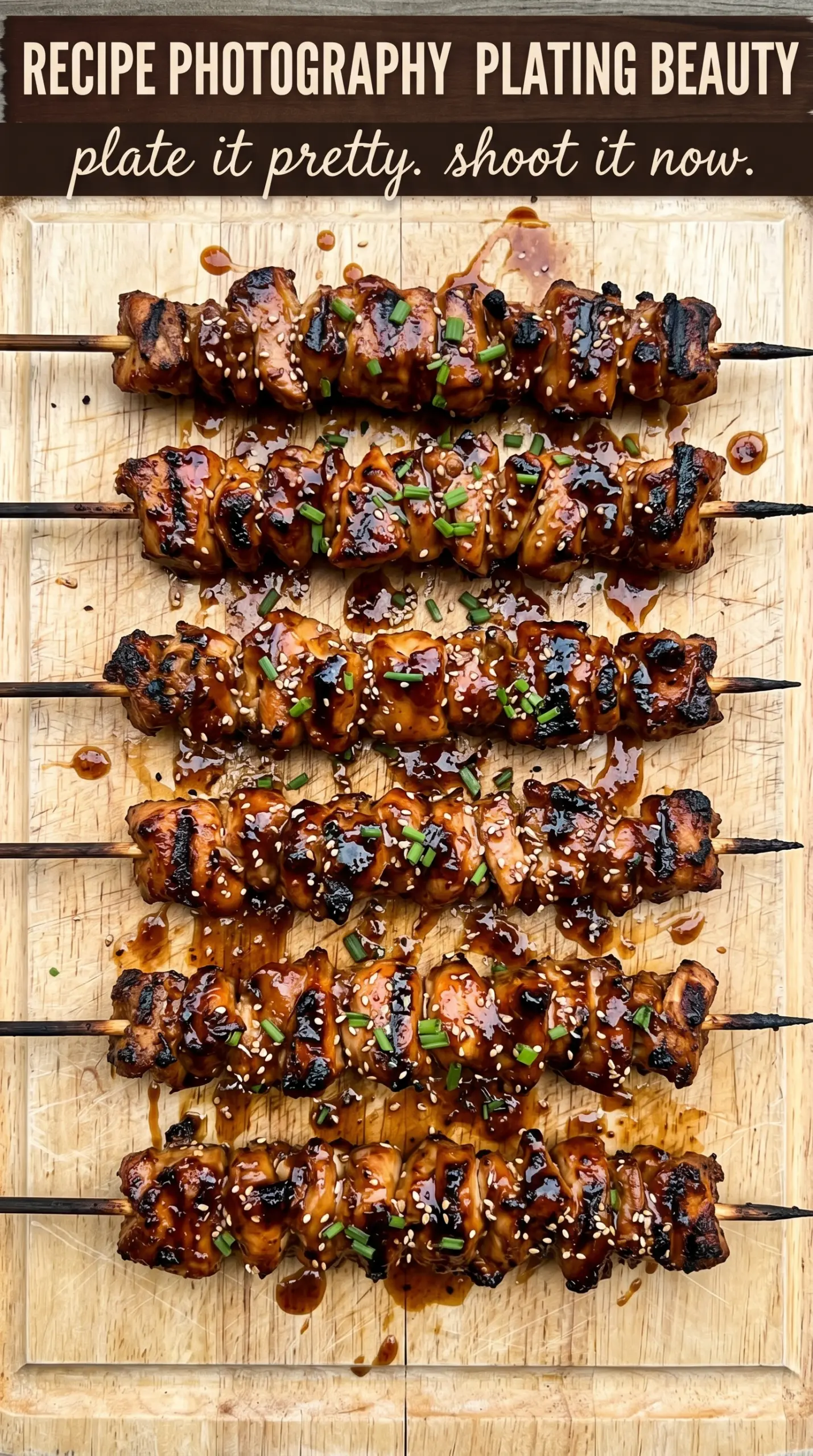
- Chicken breasts — cut them into even cubes so every piece finishes at the same time. If some chunks are much larger than others, the small ones dry out while the big ones still need heat.
- Wooden skewers — soak them long enough that they don’t scorch on the grill. Dry skewers can char before the chicken is done, especially if there’s flare-up from the glaze.
- Apple cider vinegar — this is the bright edge that keeps the marinade from tasting heavy. Lime juice can work in a pinch, but it shifts the flavor away from the barbecue profile.
The Grill Time That Actually Matters
Mixing the Glaze
Stir the BBQ sauce, bourbon, maple syrup, vinegar, and Dijon until the mixture looks smooth and glossy. Reserve part of it before the chicken goes in, because once raw poultry touches the marinade, that portion is no longer safe for basting unless it gets boiled first. The sauce should pour easily, not sit in a thick lump on the spoon.
Marinating for Flavor, Not Mushiness
Turn the chicken in the remaining sauce and let it rest for 1 to 4 hours. Less than an hour won’t give you much flavor, but going much longer can soften the surface of the chicken too much because of the vinegar. If you’re in a hurry, even 30 minutes is better than skipping the marinade entirely.
Grilling and Basting
Thread the chicken onto soaked skewers, then lay them over medium heat and leave them alone long enough to pick up grill marks. Flip after about 5 to 6 minutes, brushing on the reserved sauce as you turn them so the glaze has time to set in layers. The chicken is done at 165°F, and the glaze should look sticky and deepened in color, not blackened at the edges.
Make It a Little Spicier
Stir a spoonful of hot sauce or a pinch of cayenne into the glaze. The heat doesn’t overpower the maple; it cuts through the sweetness and makes the bourbon taste more rounded.
Dairy-Free and Gluten-Free
This recipe is naturally dairy-free, and it can be gluten-free if your BBQ sauce and Dijon are certified gluten-free. That’s the one place to check the label, since many sauces sneak in wheat-based thickeners or soy sauce.
Use Thighs Instead of Breasts
Boneless chicken thighs stay juicier and handle a slightly longer grill better than breasts. They’ll need a little extra time, but the payoff is richer flavor and less risk of drying out.
Storage and Reheating
- Refrigerator: Store leftovers in an airtight container for up to 4 days. The glaze will thicken as it chills.
- Freezer: Freeze the cooked chicken off the skewers for up to 2 months. Wrap it tightly and thaw in the refrigerator before reheating.
- Reheating: Warm gently in a covered skillet over low heat or in a 300°F oven until heated through. High heat will dry out the chicken and can burn the sugary glaze.
Answers to the Questions Worth Asking
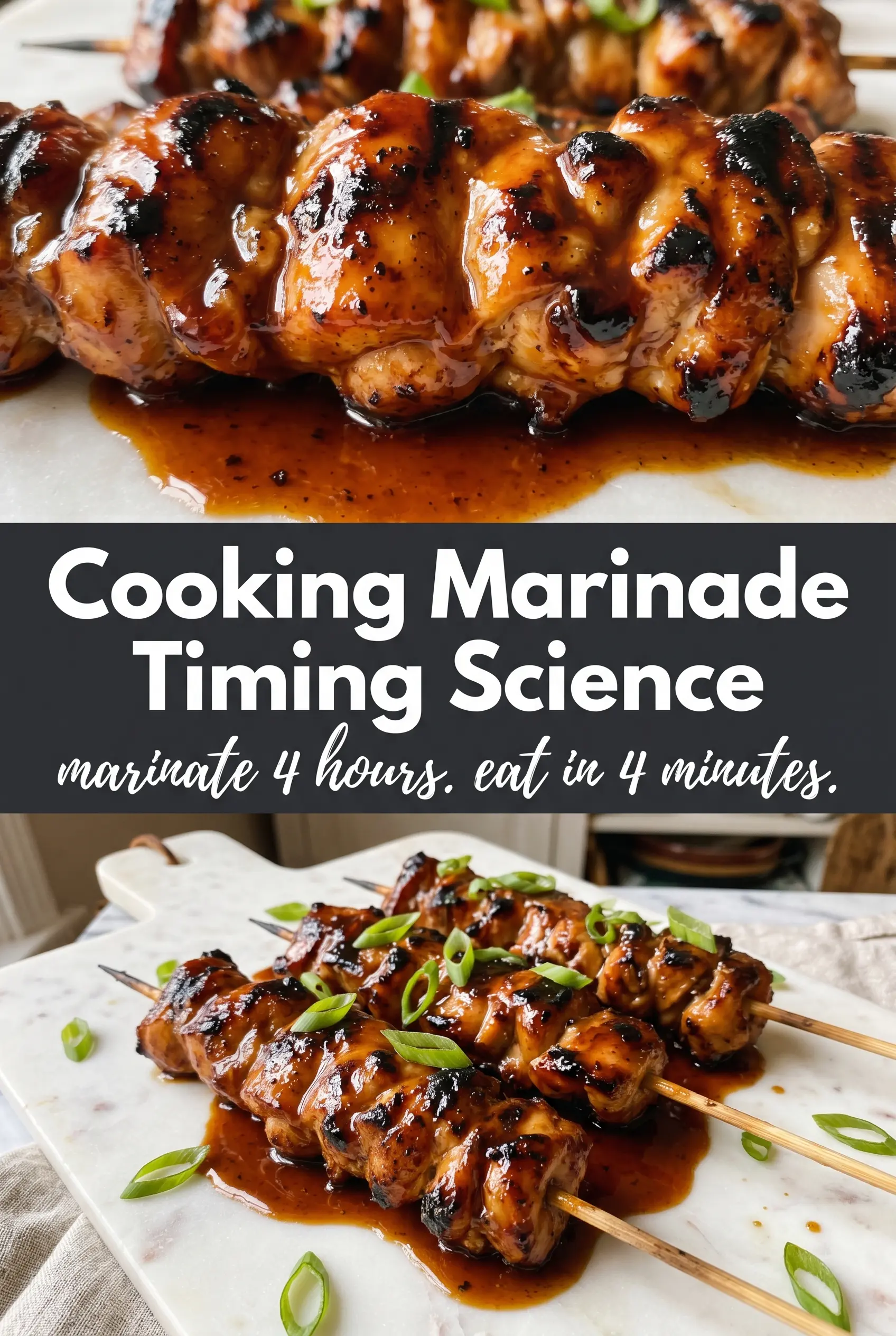
Bourbon Maple BBQ Chicken Skewers
Ingredients
Equipment
Method
- In a bowl, whisk together BBQ sauce, bourbon, maple syrup, apple cider vinegar, and Dijon mustard until smooth and glossy.
- Reserve 1/4 cup of the sauce for basting and set it aside.
- Add the cubed chicken to the remaining sauce, cover, and marinate in the refrigerator for 1-4 hours (or up to overnight), turning once if possible.
- Thread the marinated chicken onto the soaked wooden skewers, leaving a little space between pieces for even charring.
- Preheat the grill to medium heat and place the skewers on the grates.
- Grill for 5-6 minutes per side, basting frequently with the reserved sauce as the glaze starts to darken and caramelize.
- Continue grilling until the chicken reaches 165°F and the bourbon-maple glaze is sticky and clings to the surface, then remove to rest briefly before serving.