Blackstone Philly cheesesteak sandwiches hit the plate with everything people want from a great steak sandwich: deeply browned beef, sweet peppers and onions, and provolone that melts into the hot meat instead of sitting on top like an afterthought. The griddle gives you enough surface area to cook the vegetables, steak, and rolls in one pass, so every part of the sandwich tastes hot and cohesive when it lands in the bun.
The key is cooking the onions and peppers first until they pick up real color and soften enough to fold into the sandwich without making it soggy. Ribeye is the right cut here because it stays tender even when it gets chopped on the griddle, and the fat carries the flavor across the whole sandwich. Toasting the rolls on the same surface matters too; that little step keeps the bread sturdy under all that melted cheese and juicy steak.
Below, I’ve included the small details that make this work on a Blackstone without ending up with steamed vegetables or dry beef, plus a few swaps if you want to adjust the sandwich to what you’ve got on hand.
The steak stayed tender, the onions got those browned edges I was hoping for, and the provolone melted right into everything. Toasting the rolls on the griddle kept the sandwiches from falling apart.
Save these Blackstone Philly Cheesesteak Sandwiches for the nights when you want melty provolone, caramelized onions, and steak straight off the griddle.
The Part Most Philly Cheesesteaks Miss on a Flat Top
The biggest mistake people make with cheesesteaks on a griddle is rushing the vegetables and crowding the steak. If the onions and peppers don’t get enough time first, they leak water into the sandwich and mute the beef. If the steak sits in a pile instead of spreading across the hot surface, it steams before it browns.
This version fixes both problems by treating the vegetables and meat as separate jobs. The onions and peppers cook until softened and browned, then come off the griddle. The steak goes in next and gets chopped as it cooks, which gives you those small, tender pieces that pack into a roll without turning chewy.
- Ribeye — This is the cut that gives you a proper cheesesteak texture: tender, juicy, and rich enough to stand up to the bread and cheese. If you need a swap, use thinly sliced sirloin, but it won’t be quite as silky.
- Onions and green bell peppers — The onions sweeten as they brown, and the peppers bring a little bite. Slice them evenly so they cook at the same pace; thick wedges stay crunchy while the rest turns soft.
- Provolone — Provolone melts smoothly and gives you that mild, classic cheesesteak finish. If you want a sharper edge, use half provolone and half American cheese, but keep one cheese that melts cleanly.
- Hoagie rolls — Fresh rolls matter more than people think. You want a soft interior and a sturdy crust so the sandwich holds the filling without collapsing after the first bite.
How to Keep the Steak Tender and the Rolls Intact
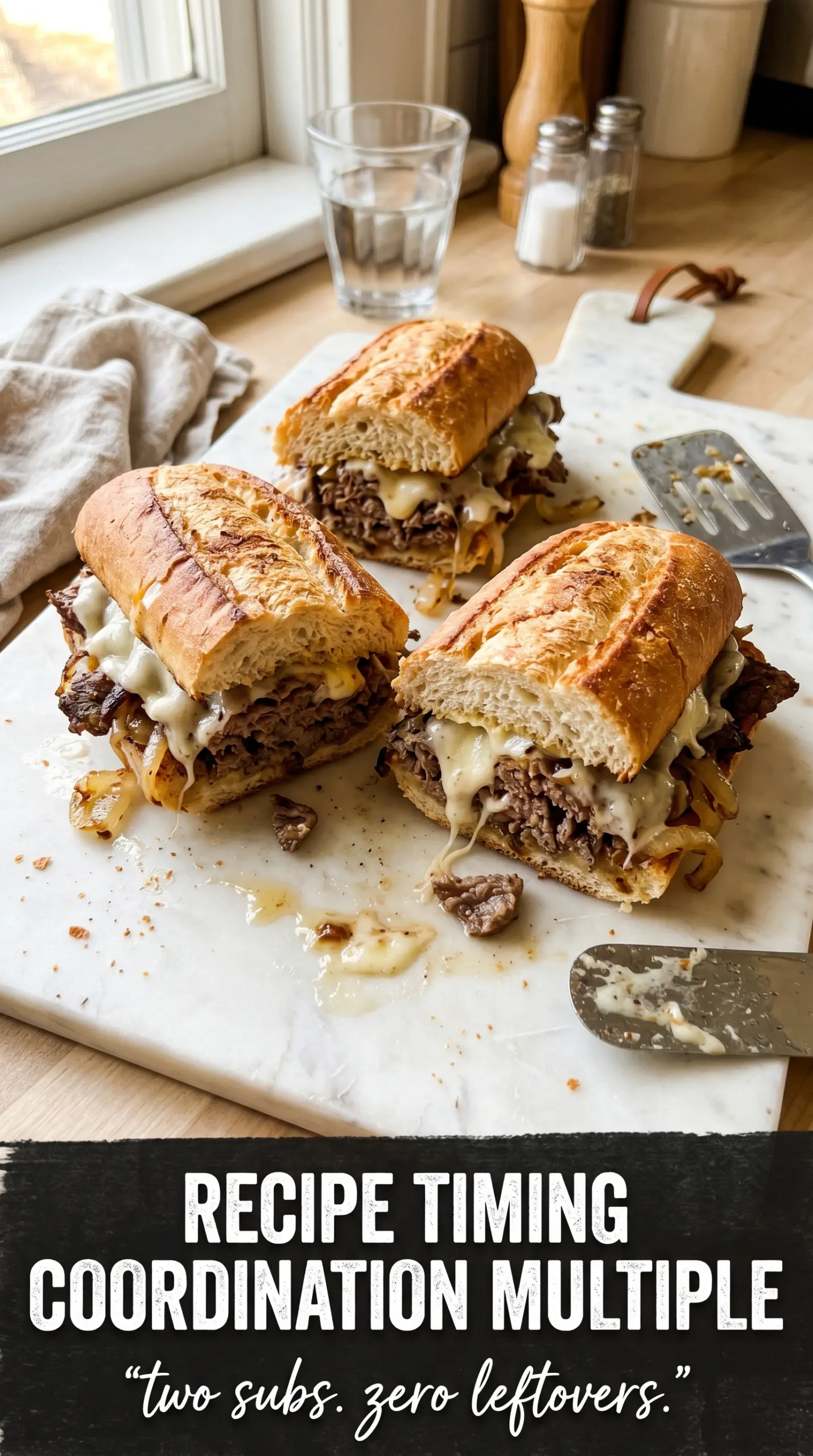
- Ribeye steak — Slice it as thinly as you can, and chill it briefly if needed so the knife cuts cleanly. Thin slices cook fast and stay tender; thick pieces need more time and usually end up overdone by the time the cheese goes on.
- Oil — A neutral oil with a higher smoke point helps the griddle stay hot enough for browning. Olive oil works in a pinch, but it can smoke faster at medium-high heat.
- Provolone and butter — The cheese melts best when it lands on hot meat right after cooking. Butter for the rolls adds flavor and gives you that toasted edge that keeps the sandwich from going soft too quickly.
- Mayo — Optional, but useful if you like a little extra richness and moisture. Spread it lightly; too much just makes the roll slide around once the filling goes in.
The Griddle Timing That Makes Everything Line Up
Softening the Vegetables First
Heat the Blackstone to medium-high before anything touches it. Add the onions and peppers with oil and let them sit long enough to pick up color before stirring. You want softened edges and browned spots, not a pile of pale, wet vegetables. If they start to scorch before they soften, the griddle is too hot or the pieces are cut too small.
Cooking the Steak Fast
Season the sliced ribeye with salt and pepper, then spread it out on the hot surface. Let it sear for a moment before chopping and turning it with spatulas. That brief pause gives you browned bits instead of gray meat. If liquid starts pooling, the griddle is crowded; work in a tighter layer or cook the steak in two batches.
Melting the Cheese Over the Meat
Once the steak is cooked through, divide it into four portions and top each one with two slices of provolone. The heat from the meat should soften the cheese into a glossy layer within a minute or two. If it doesn’t melt, the steak has cooled too much, so keep the portions close together on the hottest part of the griddle before moving them to the rolls.
Toasting and Filling the Rolls
Butter the hoagie rolls and toast them cut-side down until the edges turn golden. That toasted surface matters because it gives the sandwich a little structure under all the juicy filling. Scoop the steak and cheese mixture into the rolls right away, add mayo if you want it, and serve immediately. Waiting even a few minutes makes the bread lose the best part of its texture.
How to Adjust These Sandwiches for Your Kitchen
Gluten-Free Cheesesteak Wraps
Swap the hoagie rolls for sturdy gluten-free rolls or lettuce wraps if you want a lower-carb version. The filling stays the same, but gluten-free bread usually benefits from extra toasting so it doesn’t crumble under the hot steak and cheese.
Onion-Forward, Pepper-Light Filling
Use two onions and just one green pepper if you like the sweeter, more classic deli-style balance. You’ll get a softer, richer filling that leans into the beef instead of the vegetables.
Cheese Swap for a Stronger Melt
If you want a stretchier, saltier finish, replace part of the provolone with white American cheese. It melts faster and gives you a creamier sandwich, though the flavor will be a little less sharp and a little more diner-style.
Storage and Reheating
- Refrigerator: Store the steak, vegetables, and rolls separately for up to 3 days. The filling reheats well, but assembled sandwiches will get soggy fast.
- Freezer: The cooked steak and vegetables freeze for up to 2 months. Freeze them flat in a sealed bag, then thaw before reheating; don’t freeze the assembled sandwiches if you want decent texture.
- Reheating: Reheat the filling on a skillet or griddle over medium heat until hot, then toast fresh rolls and assemble. Microwaving works in a pinch, but it softens the meat and turns the bread limp.
Answers to the Questions Worth Asking
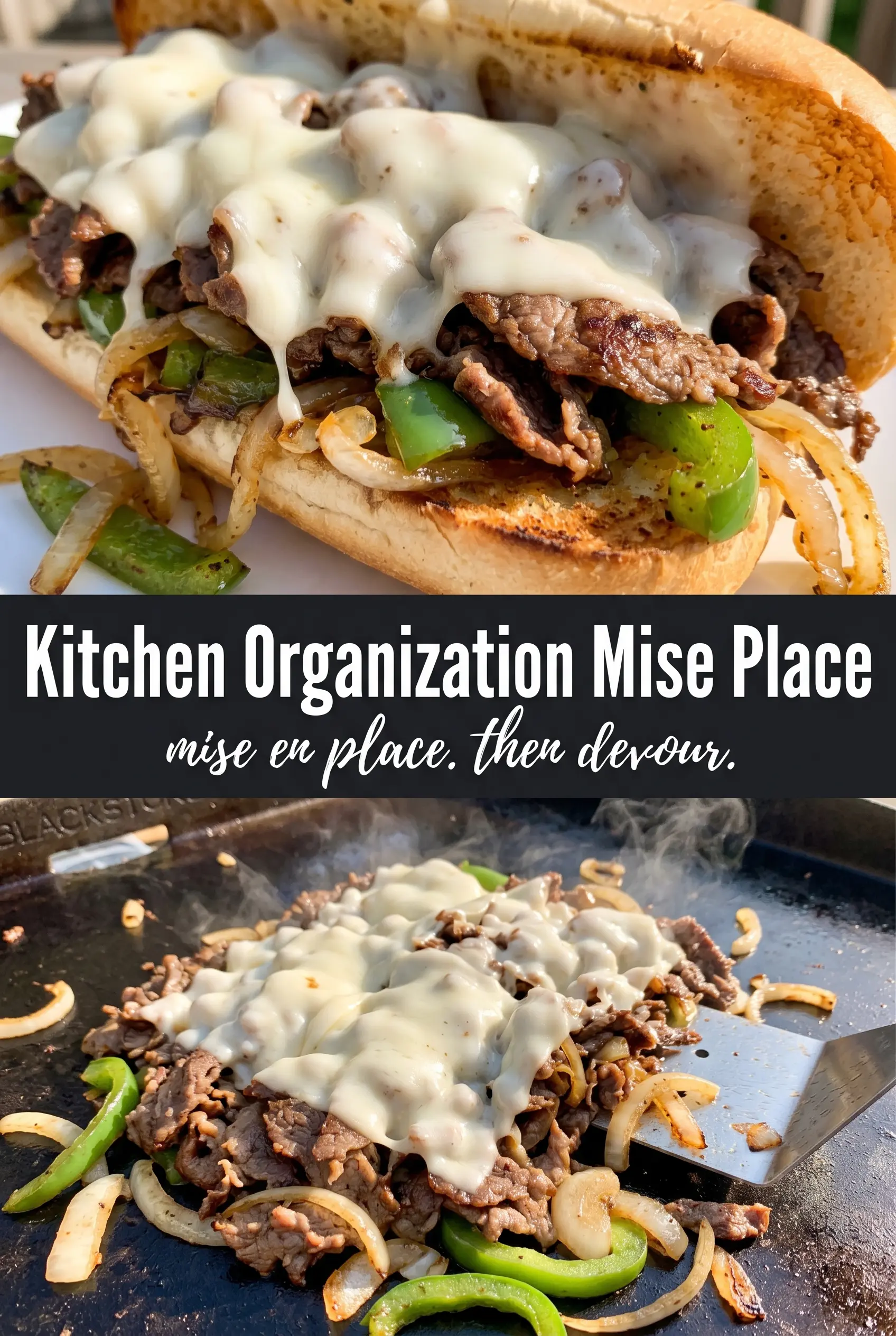
Blackstone Philly Cheesesteak Sandwiches
Ingredients
Equipment
Method
- Heat the Blackstone griddle to medium-high and add the oil. Spread it thin so it shimmers across the surface.
- Cook the onions and green bell peppers until caramelized, about 8-10 minutes, stirring occasionally. Keep them moving until they turn deep golden-brown.
- Set the caramelized onions and peppers aside on a plate. Let them cool slightly so they don’t steam the steak later.
- Season the sliced ribeye with salt and pepper to taste. Sprinkle evenly so every bite tastes balanced.
- Cook the steak on the griddle for 3-4 minutes, chopping with spatulas as it cooks. Look for browned edges and small, tender steak pieces.
- Divide the steak into 4 portions and top each portion with the caramelized vegetables and 2 slices of provolone. Press lightly so the cheese starts melting right away.
- Butter the hoagie rolls and toast them on the griddle until golden. Toast cut-side down first, then flip briefly for even color.
- Scoop the steak mixture into the toasted rolls, add mayo if desired, and serve immediately. Serve hot so the provolone stretches and overflows.