Golden potatoes, crisped at the edges and tossed with sausage, peppers, and onions, give this Blackstone breakfast hash the kind of heft that keeps people at the table a little longer. The eggs go on top at the end, so the yolks stay soft and turn the whole skillet into a built-in sauce. It’s the kind of breakfast that eats like a full meal, not a side dish.
The griddle matters here because it gives each part its own hot zone. The potatoes get the time they need to brown without steaming, the sausage has space to render and crisp, and the vegetables soften without collapsing. Once everything comes together, the cheese melts over the top and the eggs finish right on the surface, which keeps the texture layered instead of muddy.
Below you’ll find the timing that keeps the potatoes crisp, the one detail that helps the eggs cook evenly, and a few smart ways to adapt this hash when you want to change up the meat or make it work for a smaller crowd.
The potatoes got crispy on the griddle instead of turning soft, and the eggs set perfectly in the wells with runny yolks. I kept the hot sauce on the side, but the cheesy hash had enough going on that it didn’t need much.
Save this Blackstone Breakfast Hash for the mornings when you want crispy potatoes, savory sausage, and runny eggs all in one griddle breakfast.
The Part Most People Get Wrong on a Griddle Breakfast
The mistake with breakfast hash is crowding everything into one stage too early. Potatoes need direct contact with the hot surface before they’re mixed with anything wet, or they steam and go soft. Once that happens, the rest of the hash can be perfect and the texture still lands flat.
On a Blackstone, the fix is simple: give the potatoes their own first pass, then build the sausage and vegetables around them. That lets each ingredient do one job well. The potatoes brown, the sausage renders and crisps, and the peppers and onions soften just enough to bring sweetness without turning watery.
- Potatoes — Dice them small and evenly so they cook at the same pace. Smaller pieces give you more crispy surface and less waiting time, which matters on a griddle where everything moves fast once it starts browning.
- Breakfast sausage — Regular pork breakfast sausage brings the seasoning and fat that make the whole dish taste complete. If you use turkey sausage, add a little extra oil and expect a leaner, less rich result.
- Bell peppers and onion — These add sweetness and balance, but they need enough heat to soften without releasing too much moisture. Cut them to a similar size so they finish together.
- Cheddar cheese — Shred it yourself if you can. Pre-shredded cheese works, but it melts with a slightly drier finish because of the anti-caking coating.
What Each Ingredient Is Actually Doing in the Hash
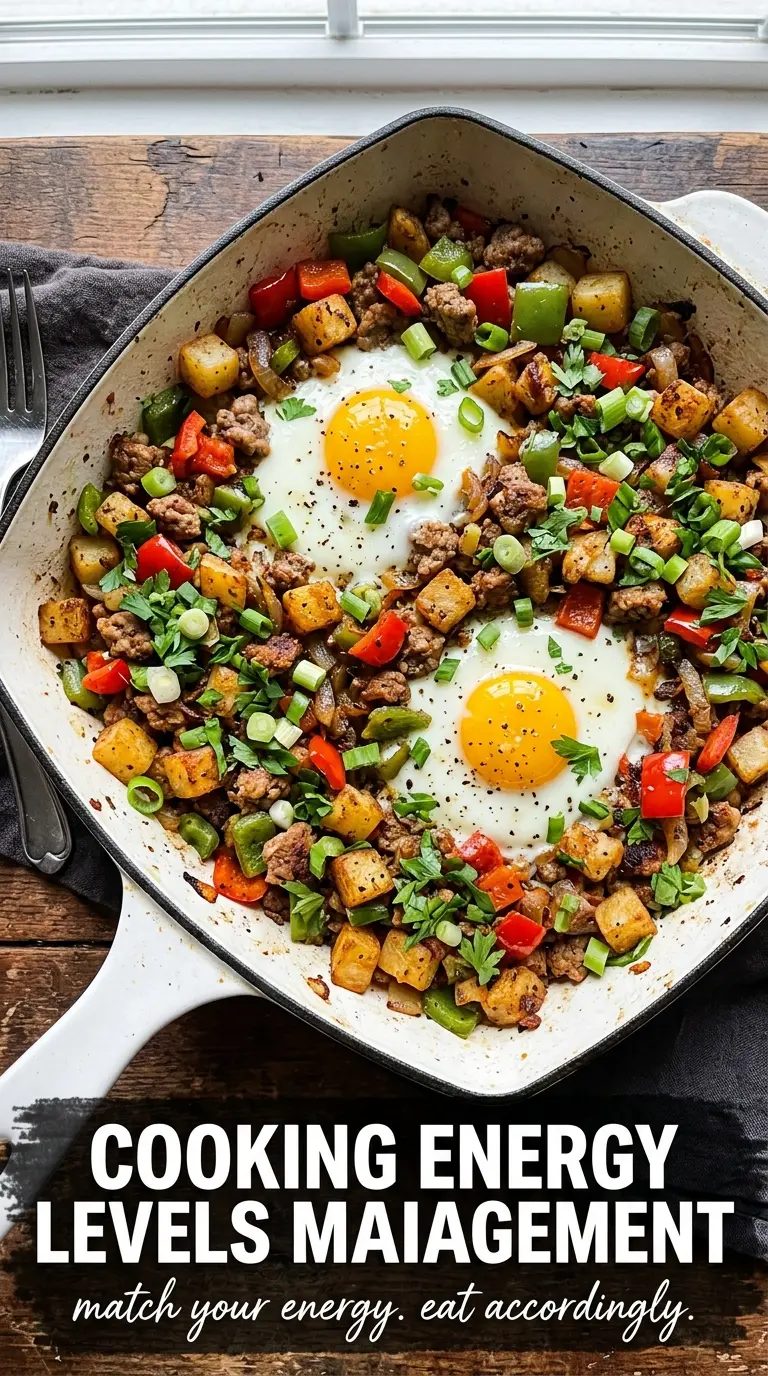
- Potatoes — Small diced potatoes are the backbone. They need enough oil and enough uninterrupted contact with the griddle to turn golden and crisp before they get tossed with the rest.
- Breakfast sausage — The sausage seasons the whole dish as it cooks. If it leaves a lot of fat behind, keep a little for flavor and drain the excess only if the griddle starts to look greasy.
- Onion and bell peppers — These round out the saltiness of the sausage and keep the hash from tasting one-note. They should soften and pick up a little color, not collapse into a sauté.
- Eggs — The eggs finish the dish and give you richness right at the top. Crack them into wells so they hold their shape instead of spreading across the hash.
- Hot sauce and parsley — Hot sauce sharpens the richness, and parsley gives a fresh finish that cuts through the cheese. Neither one is decorative here; both wake the dish up at the end.
Building the Hash So the Potatoes Stay Crispy
Start With the Potatoes Alone
Heat the griddle to medium-high and add oil before the potatoes go down. They need space and direct heat, so spread them out in a single layer and leave them alone long enough to form color. If you stir constantly, they’ll soften before they brown. Let the first side set, then turn them occasionally until the edges are deep gold and the centers are tender.
Cook the Sausage on Its Own Section
Break up the sausage as it cooks so you get small crumbles with browned edges instead of soft clumps. This also keeps the sausage from steaming the potatoes while it cooks. If the sausage releases a lot of grease, that’s normal, but keep an eye on the griddle surface so the hash doesn’t become slick. You want rendered fat, not a shallow fry.
Bring in the Vegetables, Then Finish the Eggs
Add the onion and peppers once the sausage has some color. They should soften and pick up a little browning, but still have enough shape to stand out in the finished hash. Fold everything together, make six wells, and crack an egg into each one. Cover if you can, then stop when the whites are set and the yolks still wobble a little. That final minute matters more than the rest of the cook because overcooked eggs turn the whole dish heavy.
Make It Spicier
Add diced jalapeño with the peppers, or stir a little smoked paprika and cayenne into the potatoes as they brown. The hash keeps its structure, but the heat comes through more clearly against the eggs and cheese.
Make It Dairy-Free
Skip the cheddar and finish with hot sauce and parsley. You’ll lose the melty top layer, but the hash still tastes complete because the sausage, potatoes, and eggs carry the dish on their own.
Make It Vegetarian
Swap the sausage for seasoned breakfast-style plant sausage or sautéed mushrooms. Mushrooms bring a deep savory note, while plant sausage keeps the familiar breakfast-hash feel with less effort.
Storage and Reheating
- Refrigerator: Store leftovers for up to 3 days. The potatoes soften a little, but the flavor holds well.
- Freezer: Freeze the potato-sausage-vegetable base without the eggs for up to 2 months. Eggs don’t reheat well from frozen and turn rubbery.
- Reheating: Reheat in a skillet over medium heat so the potatoes can crisp back up. The common mistake is microwaving everything until it’s hot, which leaves the hash soggy and the eggs overdone.
Answers to the Questions Worth Asking
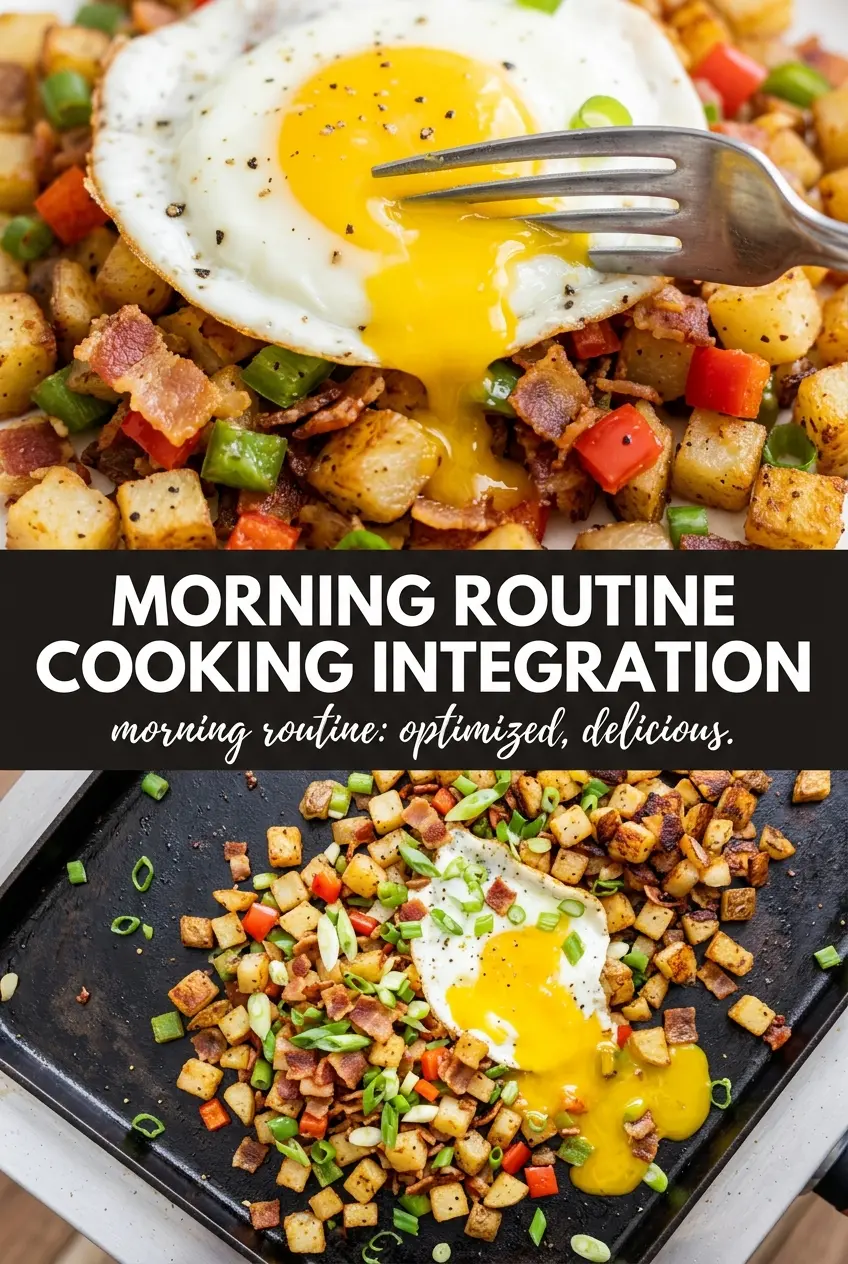
Blackstone Breakfast Hash
Ingredients
Equipment
Method
- Heat the Blackstone griddle to medium-high and add 2 tablespoons oil so it shimmers before adding potatoes.
- Cook the diced potatoes for 12-15 minutes, stirring occasionally, until golden and crispy.
- Cook the breakfast sausage on another section of the griddle, breaking it up as it cooks until browned.
- Add the remaining oil, onions, and bell peppers to the griddle and cook until the onions soften.
- Combine the potatoes, sausage, and vegetables, then spread into an even layer and create 6 wells.
- Crack 1 egg into each well, top with shredded cheddar cheese, cover if possible, and cook until the eggs reach your desired doneness.
- Season with salt and pepper, garnish with fresh parsley, and serve hot with hot sauce.