Tender beef strips, crisp broccoli, and a glossy brown sauce are exactly what this Blackstone beef and broccoli does best. The griddle gives you fast, high heat and a little char without steaming the vegetables into mush, and that means every bite keeps some texture. The sauce clings instead of pooling, which is what turns a simple stir-fry into something worth making again next week.
The trick is in the order. The beef gets a short cornstarch marinade, which helps it stay juicy and gives the sauce something to grab onto later. The broccoli goes onto the hot griddle before the garlic and ginger, so it can pick up a little color and still stay bright green and tender-crisp. Once the sauce goes in, everything moves fast, so the griddle stays hot and the beef never has time to overcook.
You’ll find the exact timing below, plus the one detail that keeps the sauce from turning thin and watery on the griddle. There’s also a simple storage note if you want to cook this ahead and reheat it for lunch the next day.
The beef stayed tender and the broccoli had that perfect crisp bite. I was worried the sauce would get runny on the Blackstone, but it thickened up beautifully and coated everything just like takeout.
Save this Blackstone Beef and Broccoli for a fast griddle dinner with seared beef, crisp broccoli, and glossy sauce.
The One Thing That Keeps Beef Tender on a Hot Griddle
Thin-sliced flank steak can go from tender to tough in a minute on a Blackstone, and that’s usually because it spends too long sitting in one layer of heat. The short marinade here does two jobs at once: the soy and brown sugar season the meat, and the cornstarch forms a light coating that protects the surface while helping the sauce thicken later.
Batch cooking matters more than most people think. If you pile all the beef onto the griddle at once, it steams in its own juices and loses that browned edge that gives this dish its best flavor. Two or three quick batches keep the surface hot enough to sear, and that sear is what keeps the sauce from tasting flat.
- Flank steak — This cut stays tender when it’s sliced thin against the grain. If you swap in something tougher, the quick griddle time won’t be enough to soften it.
- Cornstarch — It’s doing more than thickening. It helps the beef stay slick and tender while also giving the sauce that takeout-style cling.
- Broccoli florets — Fresh broccoli gives the best bite here. Frozen broccoli releases too much water and fights the browning you want from a griddle dish.
- Beef broth — This rounds out the sauce so the soy and oyster sauce don’t taste salty or sharp. Water works in a pinch, but the sauce won’t have the same depth.
What Each Ingredient Is Actually Doing in the Sauce
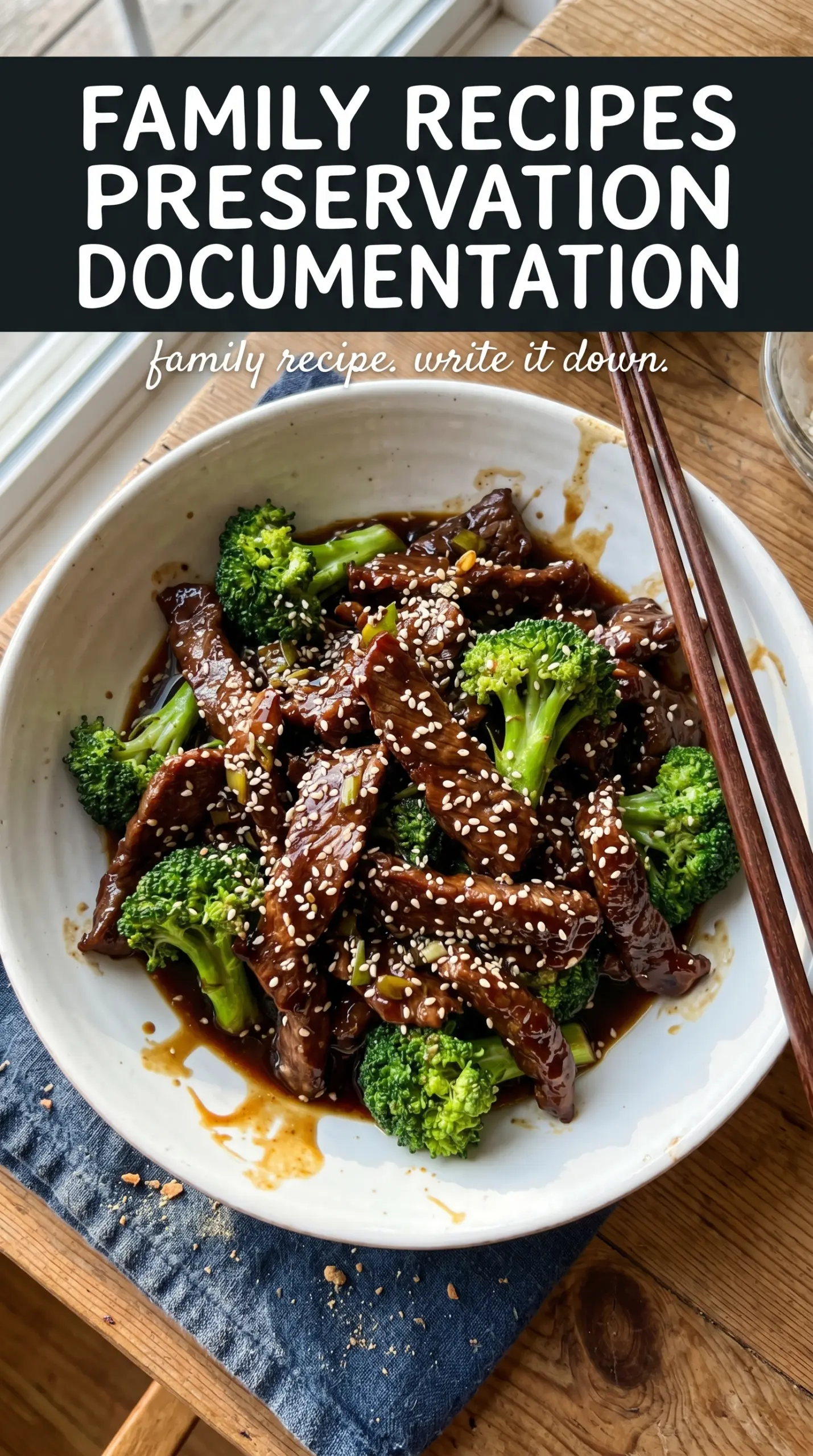
The soy sauce brings salt and color, but it also gives the sauce its backbone. Oyster sauce adds the darker, rounder savory note that makes the dish taste like it came from a good takeout kitchen instead of just being seasoned beef and broccoli. Brown sugar softens both of those edges and helps the sauce glaze instead of staying thin.
Garlic and ginger need the hottest part of the cook, but only for a few seconds. They bloom fast on a griddle, and if they sit too long they turn bitter and lose the bright punch that makes the sauce smell alive. The beef broth loosens everything just enough to coat the meat and broccoli without turning the pan into a puddle.
Getting the Heat, the Sear, and the Sauce in the Right Order
Marinating the Beef
Stir the soy sauce, brown sugar, and cornstarch together until the cornstarch disappears, then coat the sliced flank steak and let it sit for 30 minutes. The meat should look lightly slick, not wet and soupy. If there’s a thick slurry pooling at the bottom, the beef wasn’t sliced thin enough or wasn’t tossed well enough, and that uneven coating can leave patches that brown too fast.
Searing in Batches
Heat the Blackstone until it’s fully hot before the beef hits the surface, then add oil and lay the meat down in a single layer. You want a hard sizzle right away and browned edges within a couple of minutes. If the meat starts to gray before it browns, the griddle isn’t hot enough or the pan is crowded, and that’s when the beef turns chewy.
Cooking the Broccoli Without Softening It
Add a fresh little slick of oil and spread the broccoli out so it touches the hot surface instead of piling up. It should brighten in color and pick up a few blistered spots while staying firm enough to bite. If the florets start to scorch before they soften, the heat is too high for too long, so give them a quick toss and move on before they lose their crispness.
Building the Glossy Finish
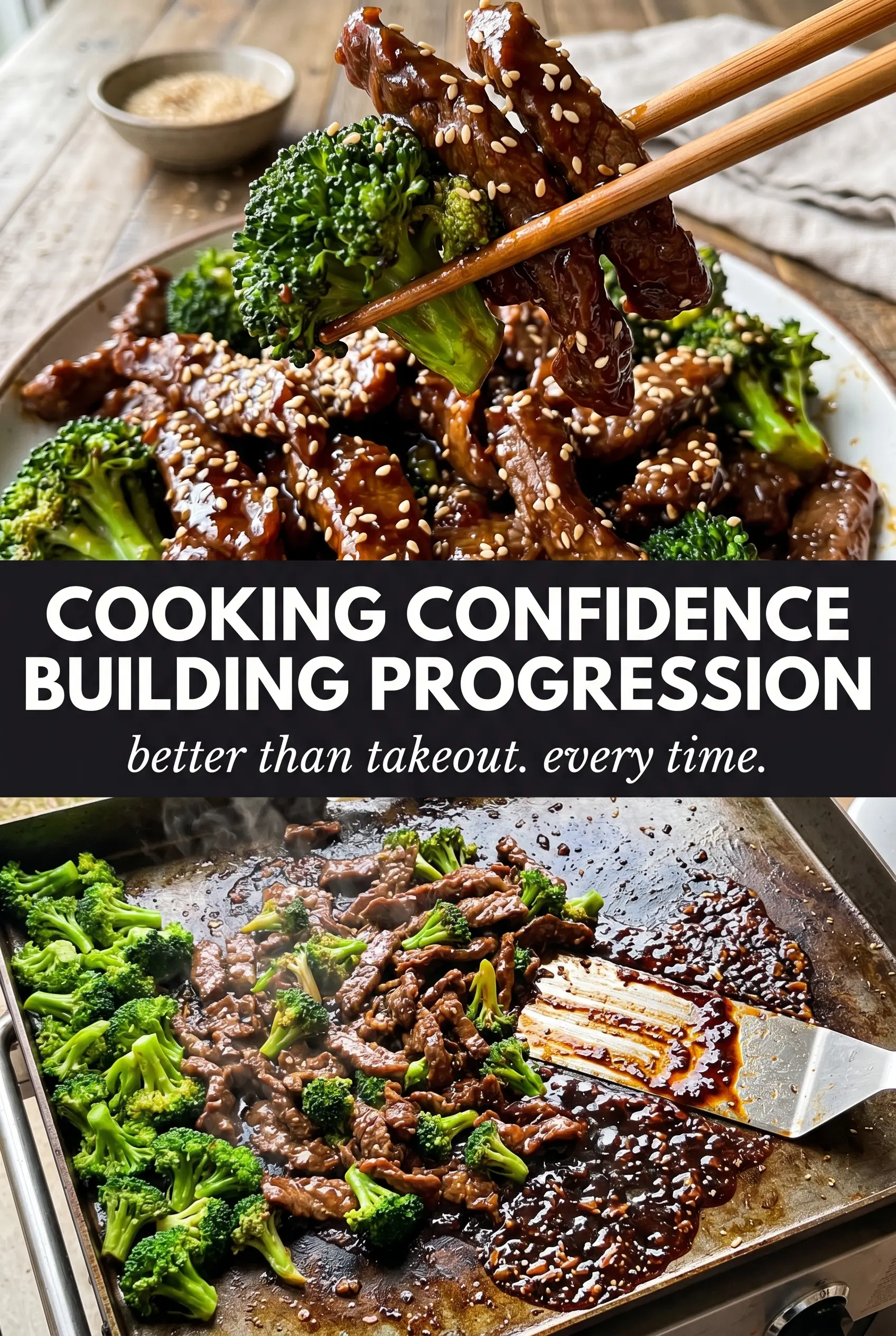
Push the broccoli aside, add the garlic and ginger for about 30 seconds, then pour in the remaining soy sauce, oyster sauce, brown sugar, and beef broth. The sauce should bubble and thicken almost immediately from the cornstarch left on the beef. Return the beef, toss everything until the sauce clings in a shiny coat, and pull it off the heat once the broccoli is tender-crisp and the beef is just cooked through.
How to Adapt This for Different Diets and Bigger Batches
Gluten-Free Version
Use a gluten-free soy sauce or tamari and check that your oyster sauce is labeled gluten-free. The texture stays the same, and you won’t lose the glossy finish, but the salt level can shift a little, so taste the sauce before the final toss.
Lower-Sugar Swap
Cut the brown sugar back by half and let the oyster sauce do more of the work. The sauce will still glaze, but it will taste a little less like classic takeout and a little more savory-forward.
Chicken Instead of Beef
Thin-sliced chicken thighs work better than breasts because they stay juicy under high heat. Cook them just until they lose the pink color and the juices run clear, then finish the dish the same way. Chicken won’t bring quite the same rich flavor, but the sauce and broccoli still make a solid griddle dinner.
Storage and Reheating
- Refrigerator: Store leftovers in an airtight container for up to 4 days. The broccoli softens a little, but the sauce stays flavorful.
- Freezer: It freezes, but the broccoli loses its crisp texture. If you plan to freeze it, undercook the broccoli slightly so it holds up better after thawing.
- Reheating: Reheat in a hot skillet or on the griddle over medium heat with a small splash of broth or water. The common mistake is blasting it in the microwave until the beef tightens up; gentle heat keeps the meat from turning dry.
Answers to the Questions Worth Asking
Blackstone Beef and Broccoli
Ingredients
Equipment
Method
- Combine 2 tablespoons soy sauce, 1 tablespoon brown sugar, and cornstarch, then marinate beef for 30 minutes.
- Let the marinated beef stand at room temperature while you prep the griddle-ready ingredients so it sears quickly.
- Heat the Blackstone griddle to high heat and add 2 tablespoons oil.
- Cook the beef in batches for 2-3 minutes per side until seared, then set aside to keep it tender.
- Add the remaining oil and cook the broccoli for 4-5 minutes until tender-crisp with vibrant green color.
- Add garlic and ginger and cook for 30 seconds to release aroma without browning.
- Add the remaining soy sauce, oyster sauce, brown sugar, and beef broth, then bring the mixture together so it turns glossy.
- Return the beef to the griddle, toss everything in the sauce for 2 minutes, and cook until the sauce clings to the beef and broccoli.
- Garnish with sesame seeds immediately so they stay toasted and visible.