Thinly sliced ribeye, caramelized onions, and melted cheese on a toasted hoagie roll hit that sweet spot between diner comfort and backyard griddle cooking. The best part is the texture contrast: beef with a little sear at the edges, peppers that still have some bite, and bread that stays crisp long enough to hold everything together without turning soggy.
This version works because the steak cooks fast over a hot Blackstone, which keeps it tender while still building those browned bits that taste like a real cheesesteak. The onions and peppers get a head start so they turn soft and sweet before the meat ever hits the griddle, and the rolls are buttered and toasted at the end so they don’t collapse under the filling. That order matters more than people think.
Below, you’ll find the timing that keeps the steak juicy, the cheese-melting trick that makes the filling easy to scoop, and a few simple swaps if you’re cooking for different preferences.
The steak stayed tender and the onions picked up just enough char on the Blackstone. I tried the Cheese Whiz on two sandwiches and provolone on the other two, and both melted great, but the provolone one was my favorite with the toasted roll.
Save this Blackstone Philly cheesesteak for the nights when you want thin-sliced ribeye, caramelized onions, and a toasted hoagie roll that holds together.
The Part Most Cheesesteaks Get Wrong on a Griddle
The biggest mistake is crowding the steak before the griddle is hot enough. Ribeye needs immediate contact with heat so it browns before it starts throwing off too much juice. If the pan is lukewarm, you get gray meat and a wet filling instead of those flavorful browned edges.
The other thing people miss is timing the vegetables separately. Onions and peppers need a head start because they take longer to soften and sweeten than shaved steak takes to cook. Once the steak goes down, the entire fill- and-serve window is only a few minutes, so everything else has to be ready before then.
- Hot griddle: This is what gives the steak its edge-to-edge browning in a short cook.
- Vegetables first: They need time to caramelize, and moving them aside keeps them from overcooking once the meat hits the surface.
- Thin slicing: Ribeye sliced very thin cooks fast and stays tender; thicker cuts turn chewy here.
What Each Ingredient Is Actually Doing in This Cheesesteak
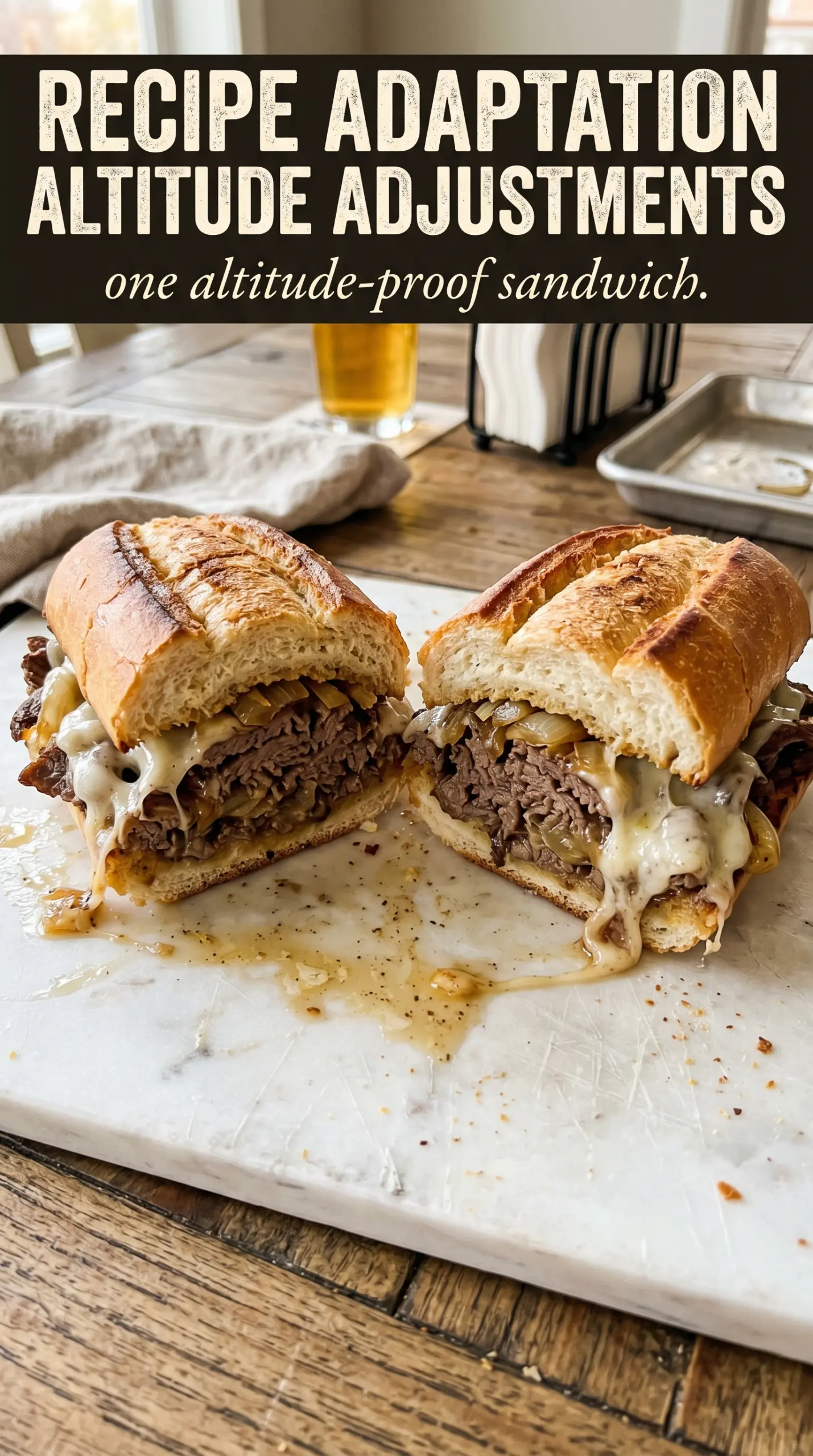
- Ribeye steak: This is the heart of the sandwich. The marbling keeps the meat juicy on a hot griddle, and thin slicing is nonnegotiable if you want that classic cheesesteak texture. If you can’t get it sliced thin at the counter, chill it until firm and shave it yourself with a sharp knife.
- Onions and green bell peppers: The onions bring sweetness and the peppers add that familiar savory bite. Green peppers are the classic choice for this style, but yellow or red peppers work if you want a softer, sweeter finish.
- Provolone or Cheese Whiz: Provolone gives you a milder, stretchy melt, while Cheese Whiz gives you the more old-school, ultra-saucy Philly-style coating. Both work, but provolone needs a little more time to melt over the hot meat.
- Hoagie rolls: Use rolls with enough structure to handle the filling. Soft sandwich rolls go soggy fast, while a sturdy hoagie stays crisp after toasting on the griddle.
- Butter for toasting: Butter on the roll adds flavor and helps build a barrier against the juices from the steak and vegetables. Dry-toasted bread won’t hold up nearly as well.
Getting the Steak, Veggies, and Cheese on the Roll at the Right Moment
Caramelizing the Onions and Peppers
Start the onions and peppers in oil over medium-high heat and let them sit long enough to pick up color before stirring too much. You’re looking for soft, glossy vegetables with browned edges and a sweet smell, not mush. If they start steaming heavily, the griddle isn’t hot enough or the pan is too crowded, and they’ll turn limp instead of caramelized.
Cooking the Ribeye Fast
Season the steak with salt and pepper just before it goes on the griddle, then spread it out in a thin layer. Let it sear for a moment before chopping it with spatulas, so it gets those browned bits instead of turning into gray crumbles. The steak only needs 3 to 4 minutes total; if it cooks much longer, it loses the tender bite that makes a cheesesteak worth making.
Melting the Cheese Over the Meat
Divide the cooked steak into four portions and lay the cheese directly on top while the meat is still hot. That heat melts provolone without extra fuss, and it keeps the filling contained when you scoop it into the rolls. If the cheese is sitting there unmelted, the steak has already cooled too much, so work quickly once the meat comes off the hot zone.
Toasting and Filling the Rolls
Butter the cut sides of the hoagie rolls and toast them on the griddle until they’re golden and crisp at the edges. That step keeps the bread from soaking through the second the filling hits it. Scoop in the steak, onions, and peppers right after toasting, then serve immediately while the cheese is still soft and the roll still has some crunch.
How to Adapt This for Different Cheeses, Breads, or Diets
Provolone vs. Cheese Whiz
Provolone gives you a cleaner, milder sandwich with stretchy melted cheese, while Cheese Whiz makes the filling saucier and more intense. If you’re feeding a crowd, you can split the batch and do both, which is a smart way to keep everyone happy without changing the rest of the method.
Dairy-Free Version
Skip the cheese and use a dairy-free melt if you have one that actually softens well under heat. The sandwich still works because the steak, onions, and peppers carry the flavor, but the result will be less creamy and a little less classic.
No Bell Peppers
Leave them out and use extra onions if you want a more traditional steak-and-onion version. You lose a little sweetness and color, but the sandwich gets a sharper, more beef-forward flavor.
Storage and Reheating
- Refrigerator: Store the steak, vegetables, and rolls separately for up to 3 days. The bread will soften if you assemble ahead.
- Freezer: The cooked steak and vegetables freeze well for up to 2 months. Freeze without the rolls and thaw in the refrigerator before reheating.
- Reheating: Warm the filling in a skillet or on the griddle over medium heat until hot, then toast fresh rolls and assemble. Microwaving can make the steak rubbery and the bread soggy.
Answers to the Questions Worth Asking
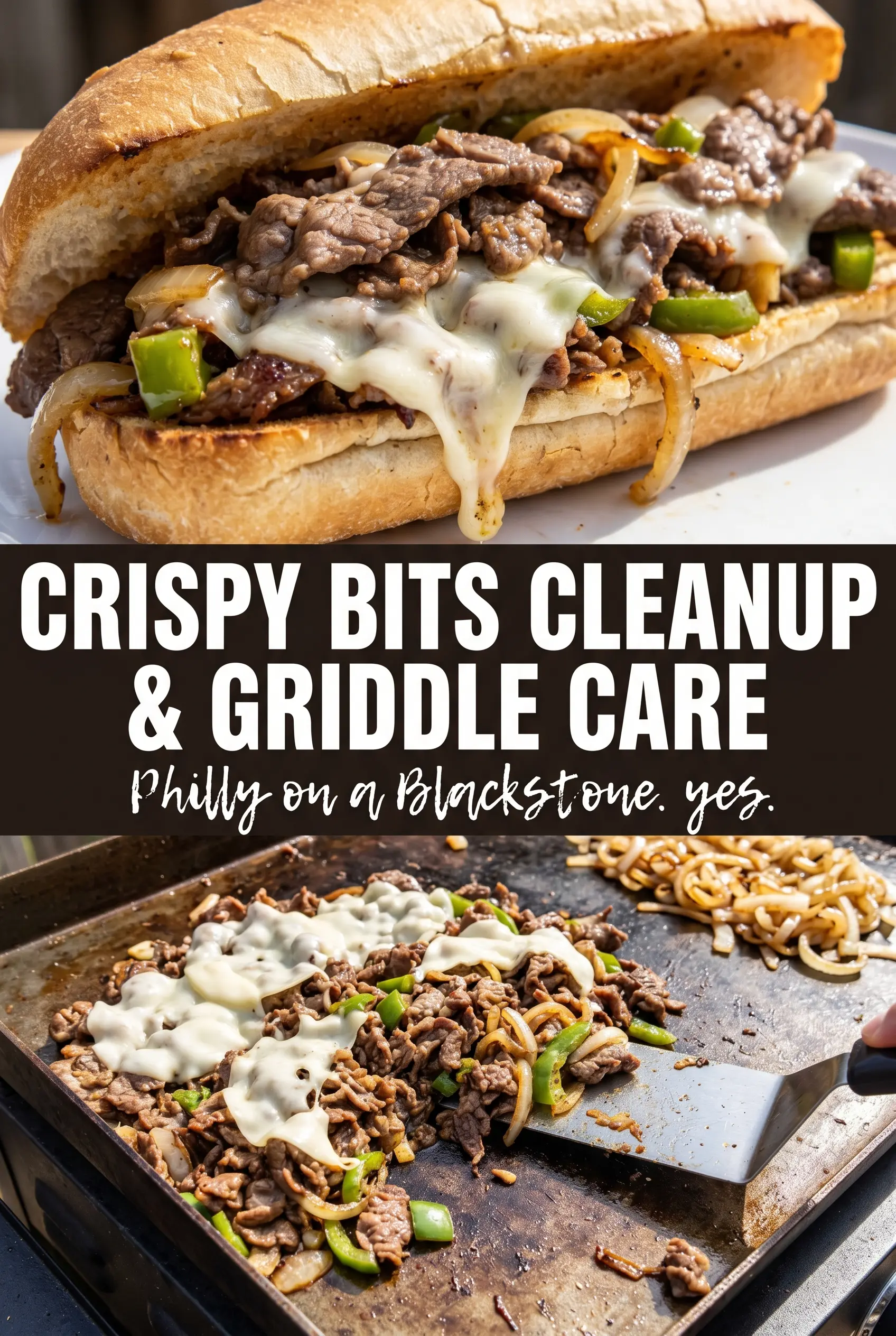
Authentic Blackstone Philly Cheesesteak
Ingredients
Equipment
Method
- Heat the Blackstone griddle to medium-high heat and add the oil. Let the oil warm until it shimmers, then add the sliced onions and bell peppers.
- Cook onions and peppers until caramelized, about 8-10 minutes, then move them to the side. Keep them cooking until browned and softened, but avoid burning at the edges.
- Season the thinly sliced ribeye with salt and pepper. Spread it in a single layer on the hot griddle so it sears quickly.
- Cook the steak on the hot griddle for 3-4 minutes, chopping with spatulas. Stir and chop until the meat is browned and no longer pink.
- Divide the steak into 4 portions and top each with provolone cheese, allowing to melt. Keep the cheese on the hottest surface so it turns fully melted and glossy.
- Butter and toast the hoagie rolls on the griddle until golden. Toast cut-side down until crisp and lightly browned.
- Scoop each steak portion with onions and peppers into toasted rolls and serve immediately. Use the griddle’s hot surface to keep the filling steaming as you load the sandwiches.