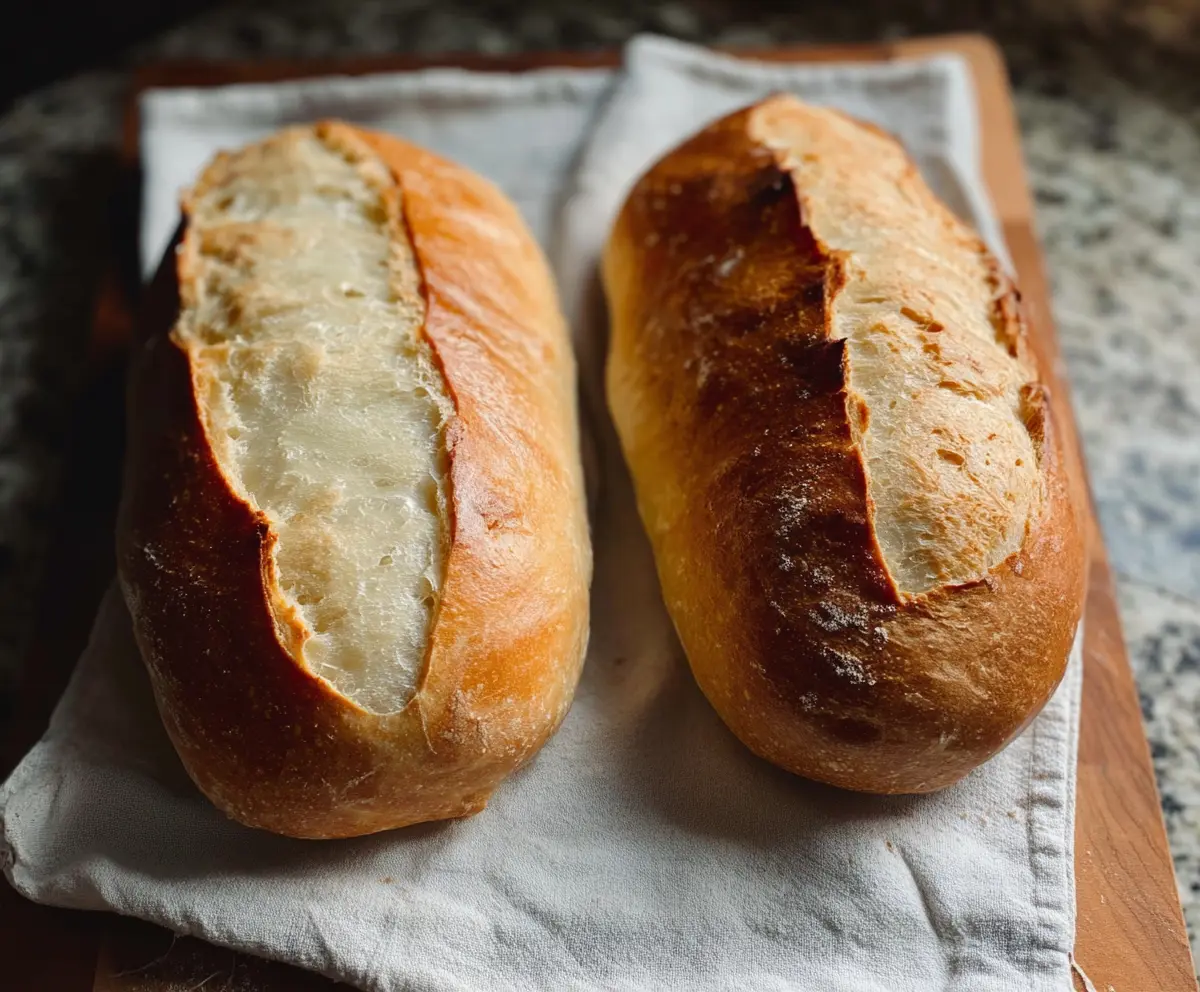
This Sourdough Discard French Bread is a tasty way to use up leftover sourdough starter. It has a nice crust and is soft on the inside—a perfect combo for sandwiches or toast!
I love making this bread because it’s super easy and the smell while it bakes is just delightful. Plus, you can enjoy warm slices with butter—who can resist that? 🥖❤️
Key Ingredients & Substitutions
Sourdough Starter Discard: This is the heart of the recipe. Use unfed sourdough discard—it’s perfect for adding flavor. If you don’t have sourdough starter, you can replace it with equal parts yogurt or buttermilk for a tangy flavor.
All-Purpose Flour: This is great for structure. If you want a healthier option, try using whole wheat flour or a mix of whole wheat and all-purpose flour. However, the texture will change slightly, being denser but still delicious.
Active Dry Yeast: Essential for rising. If you’re out of active dry yeast, you could use instant yeast, as it can be mixed directly into the dry ingredients without proofing. Keep in mind, you may not need as much as the recipe calls for.
Olive Oil or Melted Butter: Using either will add richness to the bread. You can also substitute with vegetable oil, or skip it altogether for a lighter bread.
How Do I Shape Bread Properly?
Shaping the dough is crucial for achieving that lovely French bread look. After the first rise, gently punch the dough down to deflate it. When shaping, work on a lightly floured surface to prevent sticking.
- Roll the dough gently into a long oval, about 12 inches. Taper the ends slightly to create traditional bread shapes.
- Be careful not to deflate too much air, as this will keep it nice and airy!
- Let it rise again before baking, which helps develop the crust.
By following these steps, your bread will bake evenly and have that lovely crusty exterior we all love!
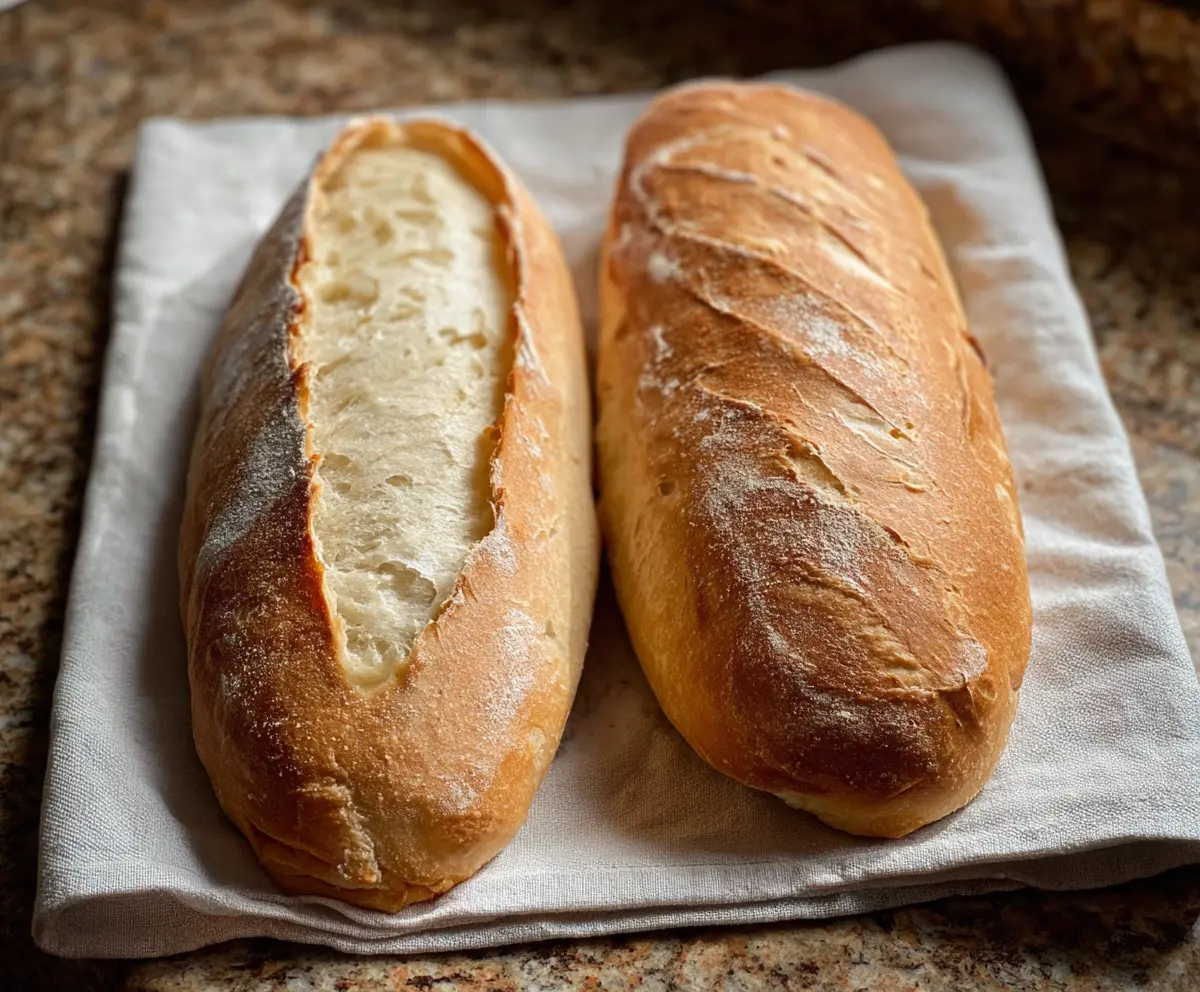
Sourdough Discard French Bread Recipe
Ingredients You’ll Need:
- 1 cup sourdough starter discard (unfed)
- 2 ½ cups all-purpose flour, plus extra for dusting
- 1 cup warm water (about 100-110°F)
- 1 teaspoon active dry yeast
- 1 ½ teaspoons salt
- 1 tablespoon sugar or honey (optional, for slight sweetness)
- 1 tablespoon olive oil or melted butter (optional, for richer crumb)
How Much Time Will You Need?
This recipe takes about 15 minutes of prep time, plus 1 to 1.5 hours for the first rise, and an additional 20-30 minutes for the second rise. Baking will take around 20-25 minutes. In total, you’ll need about 2 to 2.5 hours from start to finish, making it a great weekend project!
Step-by-Step Instructions:
1. Combine Ingredients:
In a large mixing bowl, mix together the warm water, sourdough discard, and active dry yeast. Give it a gentle stir, then let it rest for about 5-10 minutes until you see some bubbles and the mixture is frothy.
2. Mix the Dough:
Next, add the flour, salt, and sugar (if using) into the bowl. Stir everything together until a rough dough begins to form. Don’t worry if it looks uneven—just make sure everything is combined.
3. Knead the Dough:
Turn the dough out onto a floured surface and knead it for about 8 to 10 minutes. You’ll know it’s ready when it is smooth, elastic, and slightly tacky. Alternatively, if you have a stand mixer, you can use a dough hook on medium speed for 6-8 minutes.
4. First Rise:
Shape your kneaded dough into a ball and place it in a lightly oiled bowl. Cover it with a clean towel or plastic wrap and let it rise in a warm spot for about 1 to 1.5 hours, or until it has doubled in size. Patience is key here!
5. Preheat the Oven:
While the dough is rising, preheat your oven to 450°F (230°C). If you have one, place a baking stone or an inverted baking sheet in the middle rack to heat up.
6. Shape the Dough:
Once the dough has risen, gently deflate it by pressing down. Shape it into a baguette or a long oval loaf about 12 inches long. Don’t lose too much air in this process—you want that nice airy texture!
7. Second Rise:
Transfer your shaped dough onto a piece of parchment paper. Cover it lightly with a towel and let it rest for 20 to 30 minutes for a second rise. This will help it puff up before baking.
8. Score the Loaf:
After the second rise, take a sharp knife or a razor blade and make a long slash down the center of the loaf. This will help the bread expand while baking.
9. Bake the Bread:
Transfer the loaf on the parchment to the hot baking stone or sheet. Quickly pour a cup of hot water into a shallow pan placed at the bottom of the oven to create steam. This will give you a lovely crust!
10. Cooling:
Bake for 20-25 minutes until the crust turns a deep golden brown and sounds hollow when tapped on the bottom. Once done, take it out and let it cool on a wire rack for at least 30 minutes before slicing. This step is tough, but it’s vital for the best texture!
**Enjoy your freshly baked Sourdough Discard French Bread with a smear of butter or your favorite spread! 🥖😊**
Can I Use Whole Wheat Flour Instead of All-Purpose Flour?
Yes, you can substitute whole wheat flour for part or all of the all-purpose flour. Just keep in mind that the bread may be denser and have a different texture. A mix of both flours is a great compromise for a healthier loaf while still maintaining fluffiness!
What’s the Best Way to Store Leftover Bread?
To store leftover Sourdough Discard French Bread, wrap it tightly in plastic wrap or aluminum foil and keep it at room temperature for up to 2-3 days. For longer storage, slice it and place it in a freezer bag in the freezer for up to 3 months. Just thaw at room temperature when you’re ready to enjoy it!
Can I Skip the Second Rise?
While it’s best to allow the second rise for a better texture, you can skip it if you’re in a hurry. Just shape the dough and bake it right after shaping, but be aware that the crumb may be denser without that extra rise!
What Should I Do If My Dough Isn’t Rising?
If your dough isn’t rising, it may be due to old yeast or a temperature that’s too cold. Make sure your yeast is active—if it’s past its expiration date, it may not work well. Also, try placing the dough in a warmer area, like an oven preheated to 200°F for a few minutes and then turned off.