Cold, creamy pasta salad lives or dies on balance. When it’s done right, the pasta stays tender but never mushy, the dressing clings instead of puddling at the bottom of the bowl, and every bite gets a mix of crunch, tang, and just enough sweetness to keep it from tasting flat. This version earns its place at potlucks because it tastes like it was built for serving a crowd, not just tossed together as an afterthought.
The key is the dressing: mayonnaise gives it body, sour cream adds a lighter tang, and apple cider vinegar keeps the whole bowl from leaning too heavy. A little sugar smooths out the sharp edges, while Dijon quietly deepens the flavor so it doesn’t taste like plain mayo with vegetables mixed in. Rinsing the pasta under cold water stops the cooking fast and keeps the salad from turning soft as it chills.
Below, you’ll find the timing trick that keeps this salad fresh, the ingredient swaps that actually work, and the reason it tastes better after a good rest in the fridge.
I loved how the dressing soaked into the pasta after chilling, but the cucumbers and celery still kept their crunch. I took this to a cookout and came home with an empty bowl.
Creamy pasta salad gets even better after chilling, so this is the bowl to make ahead for picnics, cookouts, and easy lunches.
The Dressing Needs More Than Mayo to Taste Finished
The biggest mistake in creamy pasta salad is stopping at a one-note dressing. Mayo gives you richness, but by itself it can taste heavy and flat once it hits cold pasta. Sour cream lightens the texture, vinegar wakes everything up, and Dijon adds a subtle sharpness that makes the vegetables taste fresher.
That balance matters even more after chilling. Cold food mutes flavor, so the dressing needs to start a little bold in the bowl. If it tastes just right before the rest, it’ll usually taste dull once it’s been in the fridge for two hours.
- Mayonnaise — This is the base that coats the pasta and gives the salad its creamy body. A good full-fat mayo works best here because low-fat versions can turn thin after chilling.
- Sour cream — This keeps the salad from eating like straight mayonnaise and adds a clean tang. Plain Greek yogurt works in a pinch, but it brings a little more bite and a slightly tighter texture.
- Apple cider vinegar — This is what keeps the dressing from going heavy. White vinegar will work, but apple cider vinegar gives a gentler, rounder tang that fits the vegetables better.
- Dijon mustard — You don’t taste mustard in a loud way, but you’d miss it if it were gone. It gives the dressing depth and helps everything taste more complete.
What Actually Matters When You Mix the Salad
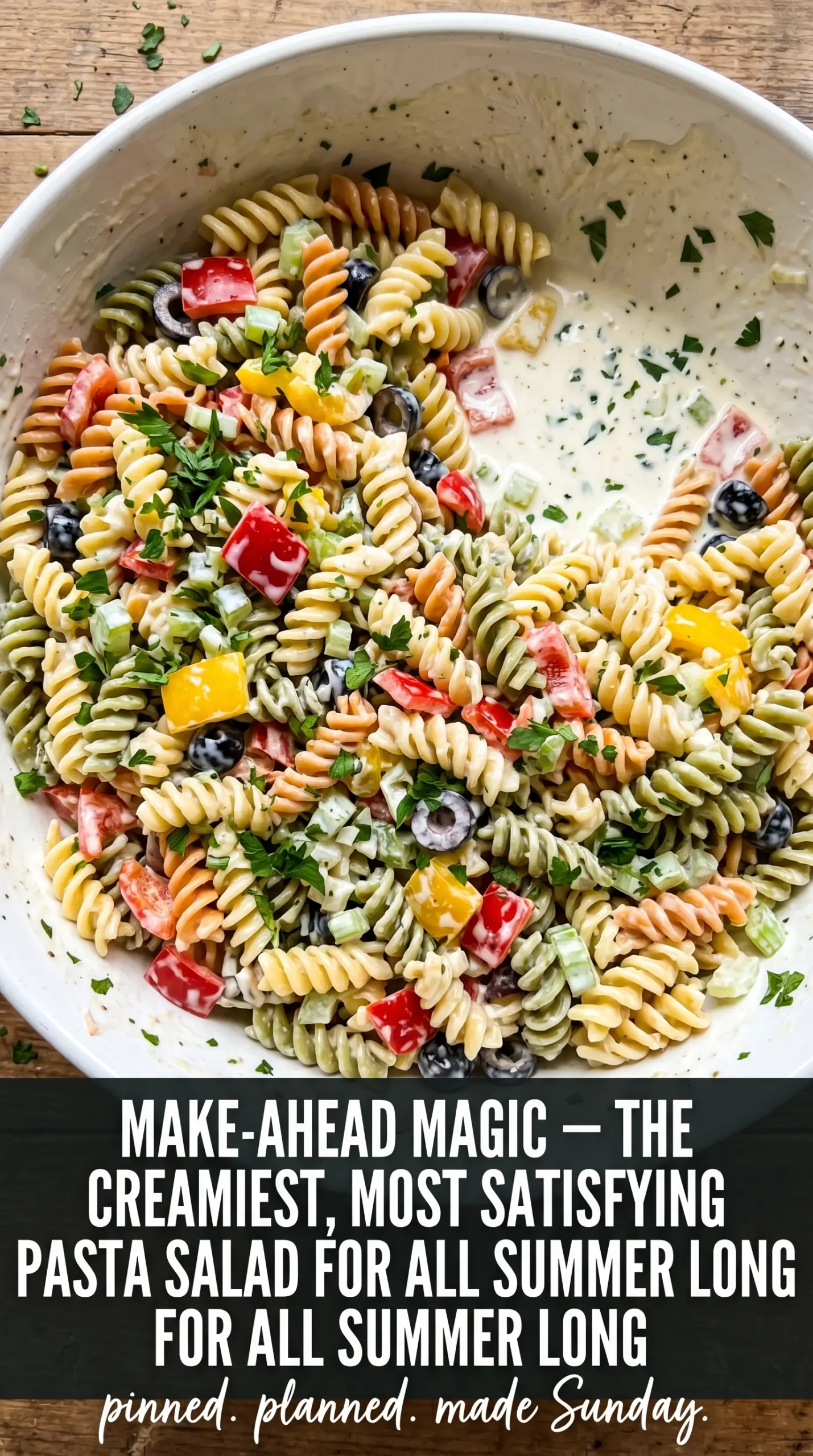
- 1 pound rotini or bow-tie pasta — Shapes with ridges or folds hold onto the dressing best. Long, smooth pasta tends to slide around and leave you with a bowl that looks creamy but eats dry.
- Cherry tomatoes, cucumber, celery, red onion, and carrots — These bring contrast, but they also bring water. Dice them small and evenly so the salad stays balanced and doesn’t feel like a pasta bowl with a few vegetables scattered through it.
- Salt and pepper — The dressing needs seasoning at the beginning and a final adjustment after chilling. Cold pasta dulls salt, so the second tasting is where you fix the bowl.
Building the Bowl So the Pasta Stays Creamy, Not Heavy
Cooking the Pasta for a Salad, Not a Hot Dinner
Boil the pasta until it’s just tender, then drain it and rinse it under cold water right away. That stops the cooking and washes off some surface starch, which keeps the salad from turning sticky. If the pasta stays hot when it hits the dressing, it’ll loosen the mayo too much and the whole bowl can go watery.
Whisking the Dressing Until It Tastes Sharp Enough
Combine the mayonnaise, sour cream, vinegar, sugar, Dijon, salt, and pepper in a large bowl and whisk until smooth. The dressing should taste a little more seasoned than you want the final salad to taste because the pasta and vegetables will soften it. If it tastes bland now, it’ll taste bland later.
Letting the Fridge Do Its Job
Add the cooled pasta and vegetables, toss until every piece is coated, then chill the bowl for at least two hours. That rest time is what turns a loose mix into a cohesive salad, because the pasta absorbs some of the dressing and the vegetables season the whole bowl. Toss it again before serving so the dressing redistributes from the bottom.
How to Adapt It for Different Crowds and Pantry Swaps
Make It Dairy-Free
Use a dairy-free mayonnaise and swap the sour cream for a plain unsweetened dairy-free yogurt. The salad still gets that creamy texture, but the tang will be a little brighter and less rich than the original.
Use What You Have in the Vegetable Drawer
Swap in chopped bell pepper, peas, chopped broccoli florets, or diced zucchini if that’s what you’ve got. Keep the pieces small and crisp; soft vegetables can make the salad feel muddy after it chills.
Turn It Into a Heartier Side
Add diced ham, chopped hard-boiled eggs, or shredded rotisserie chicken if you want the salad to eat more like a light lunch. The dressing can handle the extra bulk, but add a touch more vinegar and salt so the flavor doesn’t get buried.
Storage and Reheating
- Refrigerator: Keeps well for 3 to 4 days. The pasta will absorb more dressing over time, so expect it to get a little thicker and less glossy.
- Freezer: Don’t freeze it. Mayo-based dressings separate after thawing, and the vegetables turn watery.
- Reheating: This salad is served cold, so don’t reheat it. If it looks dry after sitting in the fridge, stir in a spoonful of mayo or a splash of vinegar instead of warming it up.
Questions I Get Asked About This Recipe
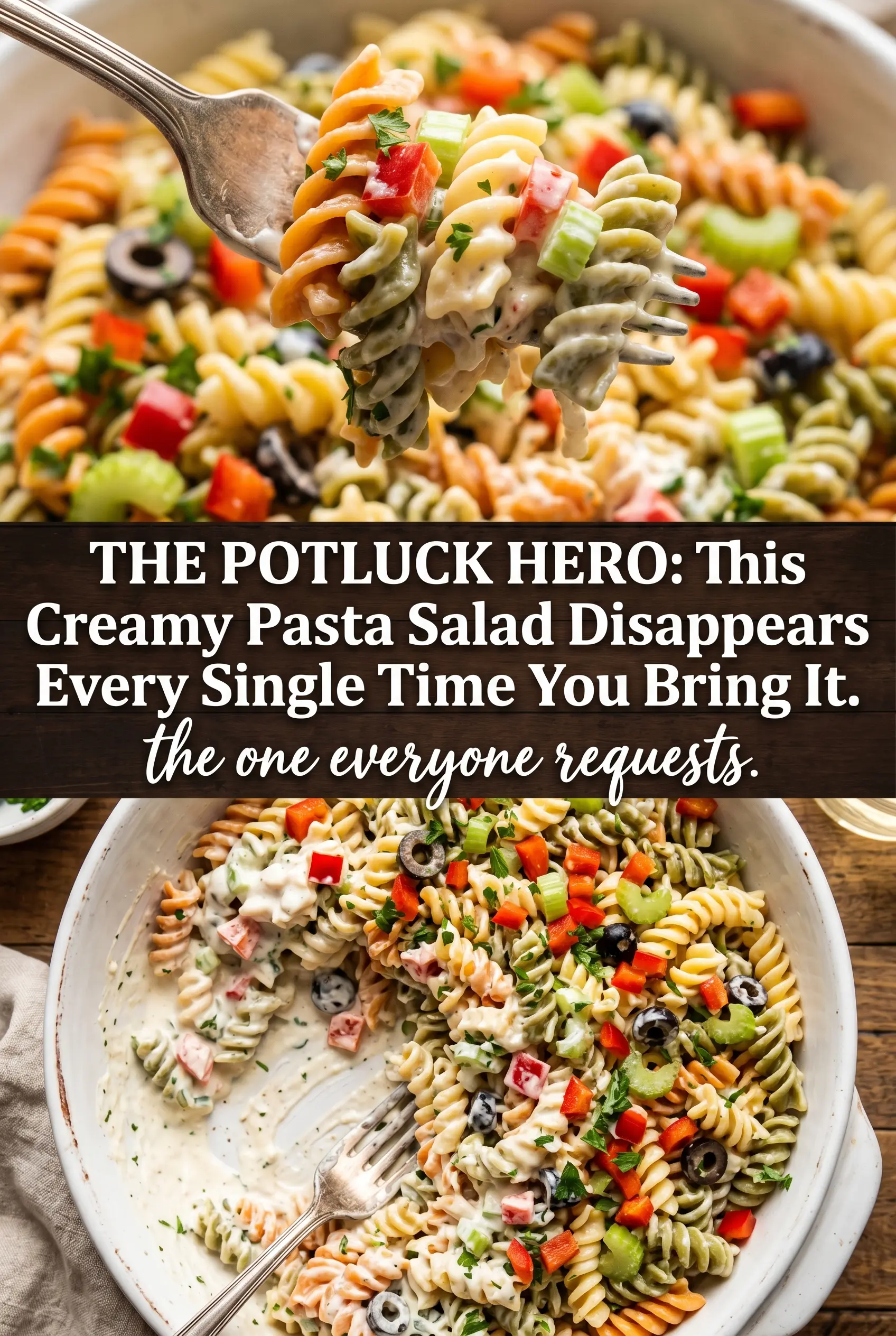
Creamy Pasta Salad
Ingredients
Method
- Cook rotini or bow-tie pasta according to package directions. Drain and rinse under cold water until cool, with no lingering steam.
- Whisk mayonnaise, sour cream, apple cider vinegar, sugar, Dijon mustard, salt, and pepper in a large bowl until smooth and evenly combined. Stop when the dressing looks glossy with no streaks.
- Add cooled pasta, cherry tomatoes, cucumber, red onion, celery, and shredded carrots to the dressing. Toss until every piece of pasta is coated and vegetables look evenly distributed.
- Refrigerate the pasta salad for at least 2 hours to allow flavors to meld. Cover and chill until it’s cold throughout.
- Toss again before serving and adjust seasonings if needed. Taste and re-season so the dressing is balanced and vegetables remain crisp.