Crispy-skinned chicken thighs and a sticky honey-buffalo glaze are the kind of dinner that disappear fast because every bite hits two notes at once: smoky heat and sweet shine. The skin gets enough direct heat to turn crisp before the sauce fully sets, and the glaze clings instead of sliding off the chicken. That’s the difference between grilled thighs that taste sauced and grilled thighs that actually wear the sauce.
The trick here is splitting the sauce before it ever touches the raw chicken. One portion gets brushed on early so the seasonings have something to grab onto, while the reserved portion stays clean for basting near the end when the glaze can tighten up without scorching. Honey gives the sauce body, butter softens the heat, and a little vinegar keeps the whole thing from tasting flat.
Below, I’ve included the timing and heat cues that matter most, plus a few variations if you want to keep the same sticky finish but change the heat level or make the recipe work on another grill setup.
The glaze thickened up on the grill and the skin stayed crisp even with all the basting. I served it with celery and blue cheese like you suggested, and my husband asked if we could make it again the next night.
Save these grilled honey buffalo chicken thighs for the nights when you want crispy skin, sticky glaze, and a blue-cheese-celery finish.
The Part Where the Skin Stays Crisp Instead of Going Soggy
Chicken thighs can take heat, but they still need breathing room. If the grill is crowded or the sauce goes on too early and too heavily, the skin steams before it crisps, and you lose the best part of the dish. The goal is to start with dry skin, medium heat, and a sauce that gets layered on after the surface has already tightened.
Bone-in, skin-on thighs are the right cut here because they stay juicy while the skin renders. Boneless thighs cook faster, but they don’t give you the same crisp-edged finish. The other detail that matters is keeping one portion of the sauce clean for basting. Once raw chicken touches a brush or bowl, that sauce is done for anything except cooking on the meat itself.
What the Honey, Butter, and Buffalo Sauce Are Each Doing
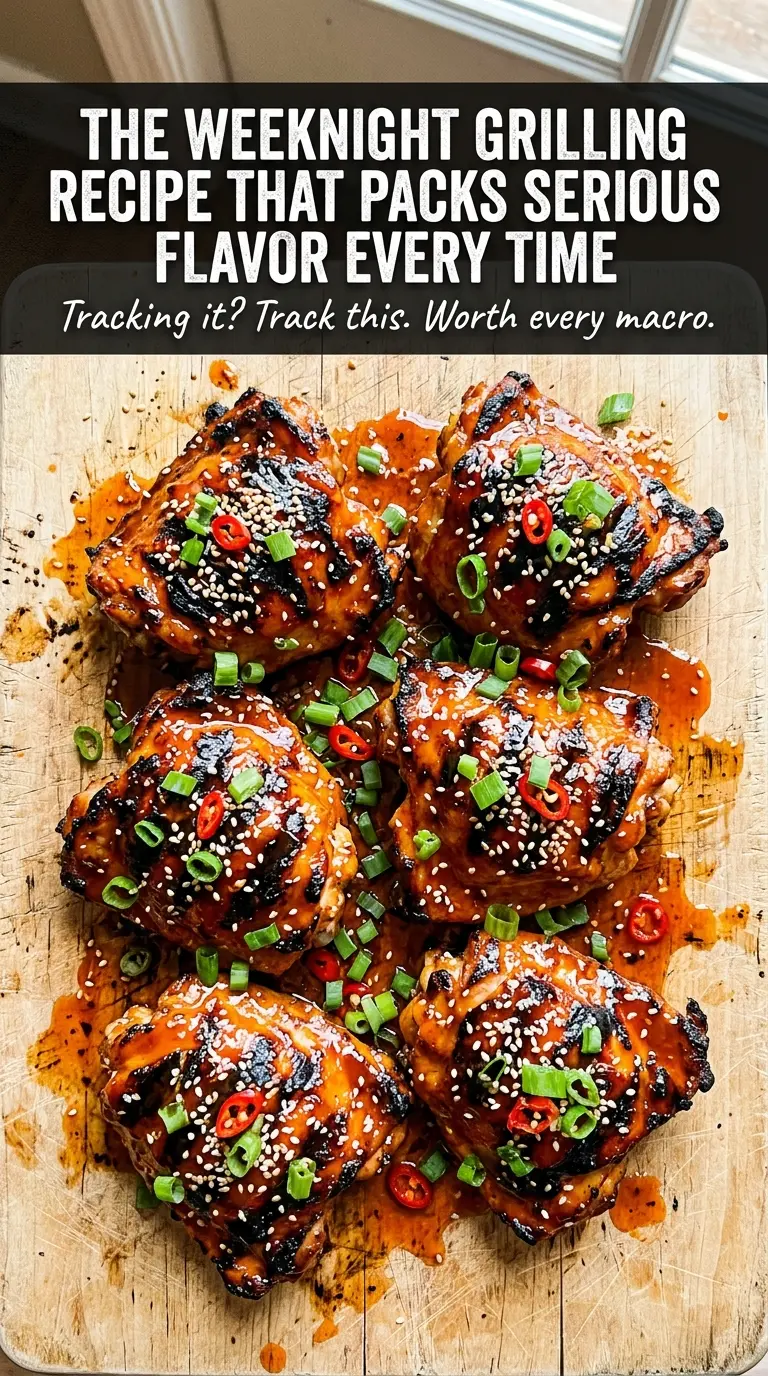
- Buffalo sauce — This brings the sharp heat and tang that make the glaze taste like buffalo chicken instead of just sweet barbecue. Use a sauce you already like on wings, because a thin, one-note bottle will stay thin and one-note here.
- Honey — Honey gives the glaze body and that lacquered finish on the grill. Maple syrup can work in a pinch, but it tastes a little darker and less classic. Honey also browns faster, which is why the heat stays at medium instead of high.
- Butter — Melted butter smooths out the sauce and helps it cling to the skin. You can swap in a neutral oil if needed, but you’ll lose some richness and the glaze won’t taste as round.
- Apple cider vinegar — The vinegar keeps the sauce from turning cloying. It sharpens the honey and wakes up the buffalo sauce, especially after the glaze hits the heat and sweetens a little more.
- Blue cheese dressing and celery — Don’t treat these like an optional garnish. The cool, salty dressing and crisp celery are what reset your palate between bites and make the spicy-sweet chicken taste balanced instead of heavy.
Building the Glaze So It Sticks Instead of Burning
Mix the Sauce Before the Chicken Touches It
Stir the buffalo sauce, honey, melted butter, and vinegar until the mixture looks smooth and glossy. Split off the clean portion now, before any raw chicken goes anywhere near the bowl. If you skip that step and try to reserve sauce later, you’ll end up with cross-contamination and a baste that can’t be safely reused.
Give the Thighs a Short Marinate
Season the thighs with salt and pepper, then brush them with some of the sauce and let them sit for 30 minutes. That short rest is enough to season the skin and let the glaze tack up without turning the surface wet. If you marinate much longer, the honey starts acting like a slick coating instead of a base layer for browning.
Grill for Crisp Skin, Not Just Grill Marks
Put the thighs skin-side down over medium heat and leave them alone long enough for the skin to render and crisp, about 8 to 10 minutes. You’re looking for deep golden color and a skin that releases from the grates without sticking hard. If it tears when you lift it, it needs another minute or two before flipping.
Finish With Basting and the Last Bit of Heat
Flip the thighs and cook the second side for another 8 to 10 minutes, basting with the reserved sauce as they cook. The glaze should bubble and thicken, not burn into a dark crust, so keep the heat moderate and watch for flare-ups. Pull the chicken when the thickest part hits 165°F and the coating looks sticky enough to cling in a shiny layer.
Make it milder without losing the glaze
Use a mild buffalo sauce and add a little more honey so the heat stays in the background. You’ll still get the tangy, sticky finish, but the chicken reads more sweet-and-savory than full-on spicy.
Make it dairy-free
Swap the butter for olive oil or avocado oil. The sauce won’t taste quite as rich, but it still clings well and basts cleanly on the grill.
Use boneless thighs when you need a faster dinner
Boneless thighs cook faster and are easier to portion, but they won’t give you the same dramatic crispy skin. Cut the grilling time down and watch the glaze closely, because boneless pieces can go from glossy to scorched in a hurry.
Switch to the oven if the grill isn’t cooperating
Roast the thighs skin-side up at high heat until the skin is rendered, then brush on the sauce near the end and broil briefly to set the glaze. You won’t get the same smoke, but you’ll still get crisp skin and a sticky finish.
Storage and Reheating
- Refrigerator: Store leftovers in an airtight container for up to 4 days. The skin softens, but the flavor holds well.
- Freezer: Freeze cooked thighs tightly wrapped or sealed for up to 2 months. The glaze survives freezing better than a cream sauce, though the skin won’t come back crisp.
- Reheating: Reheat on a sheet pan in a 375°F oven until warmed through. The oven helps the glaze tighten again; the microwave will make the skin rubbery and dull.
Questions I Get Asked About This Recipe
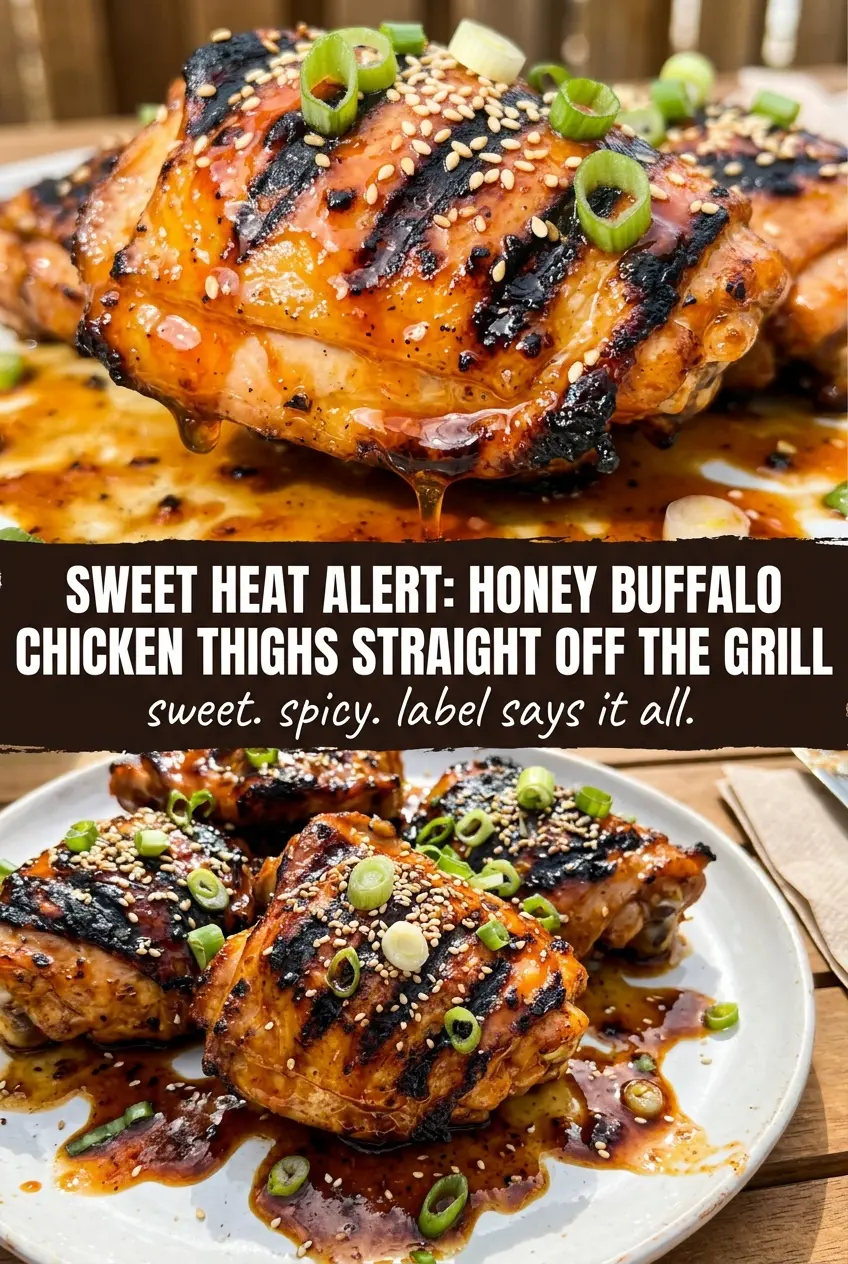
Grilled Honey Buffalo Chicken Thighs
Ingredients
Equipment
Method
- Stir buffalo sauce, honey, melted butter, and apple cider vinegar until smooth.
- Reserve 1/3 cup of the mixture for basting and set it aside.
- Season chicken thighs with salt and pepper and brush with some of the honey-buffalo sauce.
- Marinate for 30 minutes, covered, to let the flavors soak in.
- Preheat the grill to medium heat, then grill chicken skin-side down for 8-10 minutes until the skin is crisp and browned.
- Flip the thighs and grill for 8-10 more minutes, basting frequently with the reserved sauce.
- Continue grilling until the internal temperature reaches 165°F and the glaze looks sticky and glossy.
- Serve the grilled honey buffalo chicken thighs with blue cheese dressing and celery sticks.