Caprese pasta salad lands on the table with the kind of cold, glossy finish that makes people reach for a spoon before you’ve even set it down. The best versions hit that sweet spot between fresh and substantial: juicy tomatoes, creamy mozzarella, torn basil, and pasta that’s dressed enough to taste balanced without turning slippery or heavy. When it’s made right, every bite tastes bright first, then savory, then a little sweet from the balsamic glaze at the end.
This version works because the dressing is simple and the ingredients stay separate long enough to keep their texture. Rinsing the pasta under cold water stops the cooking fast, which matters here — you want the noodles chilled and firm, not warm enough to wilt the basil or soften the mozzarella. A short rest in the fridge gives the garlic and balsamic time to round out, and the glaze goes on only at the end so the salad keeps its clean, fresh look.
Below, I’ll walk through the one step that keeps this from tasting flat, the ingredient choices that matter most, and a few ways to adapt it for different diets or make-ahead needs.
The pasta held up after chilling and the balsamic dressing coated everything without making it soggy. I added a little extra basil right before serving and it tasted like something from a great deli counter.
Save this Caprese Pasta Salad for a cold, colorful side that holds up after chilling and still tastes fresh at serving time.
The Trick to Keeping Caprese Pasta Salad Fresh Instead of Watery
The failure point in a pasta salad like this is almost always excess moisture. Cherry tomatoes leak as they sit, pasta holds onto water if it isn’t drained well, and mozzarella can add a little milky liquid of its own. The fix isn’t complicated: drain the pasta thoroughly, rinse it cold, and let it sit in the colander for a minute or two before mixing. That tiny pause helps the dressing cling instead of sliding off.
The other detail that matters is timing. Add the basil after the pasta has cooled, not while it’s still warm. Warm pasta bruises the basil and dulls its color faster, which is why some salads taste fine but look tired by the time they reach the table.
What Each Ingredient Is Actually Doing in This Salad
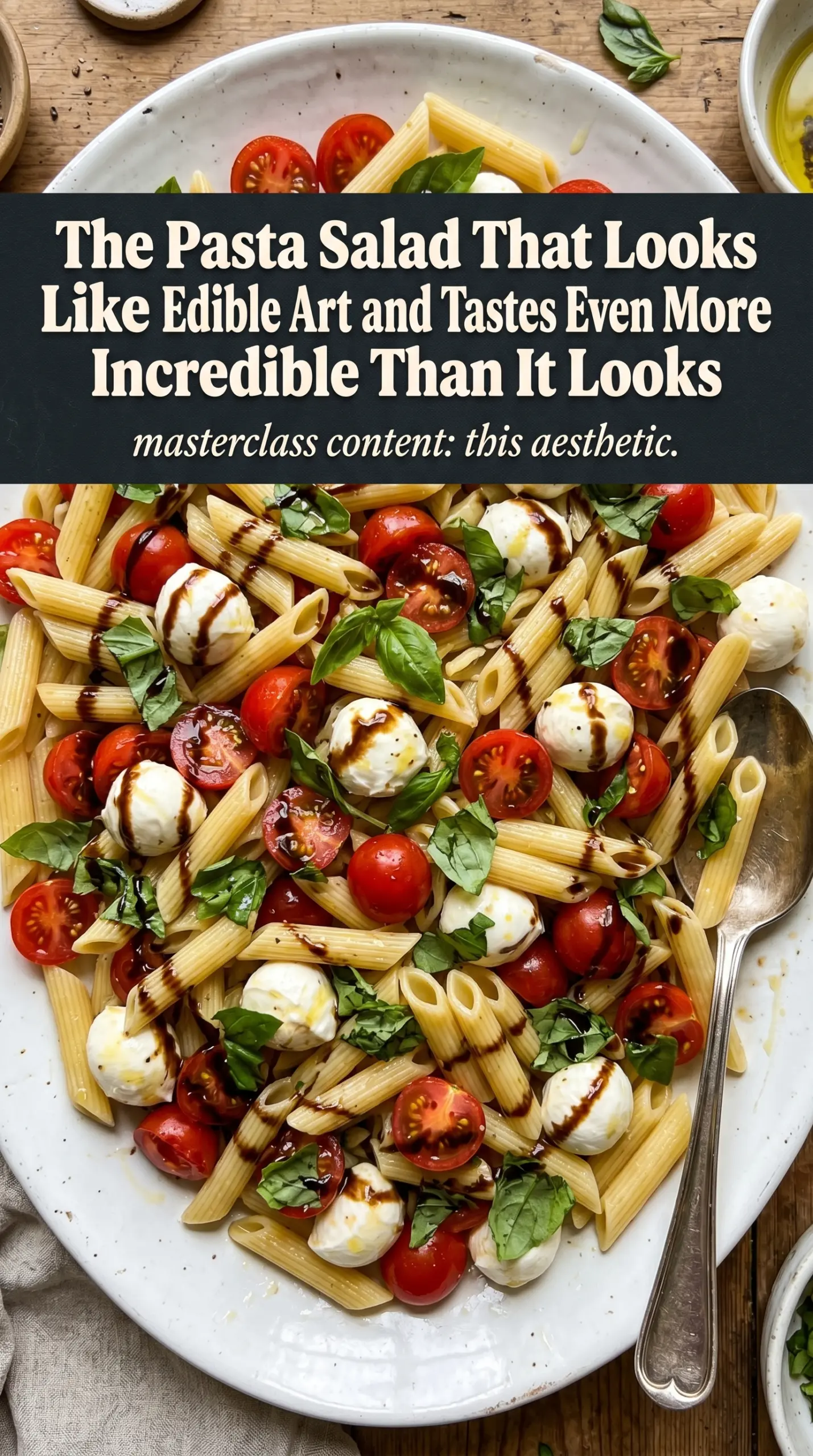
- Rotini or farfalle — You want a shape with ridges or folds so the dressing can catch in the pasta instead of pooling at the bottom of the bowl. Rotini holds the most sauce; farfalle gives a lighter, more delicate bite.
- Cherry tomatoes — These bring sweetness and juiciness without turning the salad into salsa. Halve them so their flavor can reach the dressing, but don’t chop them too small or they’ll collapse as the salad chills.
- Fresh mozzarella balls — Ciliegine are the right size here because they stay creamy and distinct. Pre-shredded or low-moisture mozzarella won’t give you the same soft bite, so this is one place where the fresher version matters.
- Fresh basil — Torn basil gives you cleaner edges and better aroma than chopped basil. Tear it right before mixing so it stays vivid and doesn’t blacken in the bowl.
- Olive oil and balsamic vinegar — This is a simple vinaigrette, so the olive oil needs to taste good on its own. Use a balsamic vinegar you’d actually eat on a salad; if it’s harsh, the whole dish tastes sharp instead of balanced.
- Balsamic glaze — This finishes the salad with sweetness and a little shine. Don’t mix it into the dressing or you’ll lose that concentrated drizzle effect that makes the bowl look and taste finished.
Building the Salad So the Pasta Drinks in the Dressing
Cooking and Cooling the Pasta
Cook the pasta until just tender, then drain it and rinse under cold water until it stops steaming. That rinse is doing real work here: it halts the cooking and cools the noodles fast enough that they won’t soften the mozzarella or wilt the basil later. Shake off the excess water well, because wet pasta is the fastest way to dilute your dressing.
Whisking a Dressing That Clings
Whisk the olive oil, balsamic vinegar, garlic, salt, and pepper together until the garlic is evenly suspended. You don’t need an emulsified, restaurant-style dressing, but you do want the garlic distributed so no one gets a raw bite of it. If the vinaigrette tastes too sharp, a pinch more salt softens the edges better than extra oil alone.
Folding Everything Together Gently
Add the pasta, tomatoes, mozzarella, and basil to a large bowl, then pour the dressing over the top and toss just until coated. Heavy stirring can split the mozzarella and bruise the basil, so use a lifting motion instead of aggressive mixing. The salad should look glossy and tossed, not slick and crushed.
Letting the Flavors Settle
Refrigerate the salad for at least an hour before serving. That resting time lets the pasta absorb some of the dressing and gives the balsamic a chance to mellow. If it tastes a little muted after chilling, a final pinch of salt and another drizzle of balsamic glaze usually brings it back.
Three Ways to Adapt This Pasta Salad Without Losing the Point
Make it gluten-free
Use a sturdy gluten-free rotini or farfalle and cook it just to tender, not beyond it. Gluten-free pasta can go mushy after chilling if it’s overcooked, so pull it early and rinse it cold right away.
Make it dairy-free
Swap the mozzarella for a dairy-free mozzarella-style cheese that stays in cubes or small balls. You’ll lose a little of the creamy milky bite, so lean harder on good olive oil and fresh basil to keep the salad feeling complete.
Add protein for a full meal
Toss in diced grilled chicken, salami, or chickpeas after the pasta has cooled. Chickpeas keep it vegetarian and add a firmer bite, while chicken or salami turn it into a lunch that eats more like a main dish than a side.
Storage and Reheating
- Refrigerator: Store covered for up to 3 days. The basil will darken a bit and the pasta will absorb more dressing, so it tastes best within the first day.
- Freezer: Don’t freeze it. The tomatoes turn mushy, the mozzarella gets rubbery, and the basil loses its fresh flavor.
- Reheating: This salad is meant to be served cold, so don’t reheat it. If it has been in the fridge for a while, let it sit at room temperature for 10 to 15 minutes and refresh it with a drizzle of olive oil or balsamic glaze.
Answers to the Questions Worth Asking
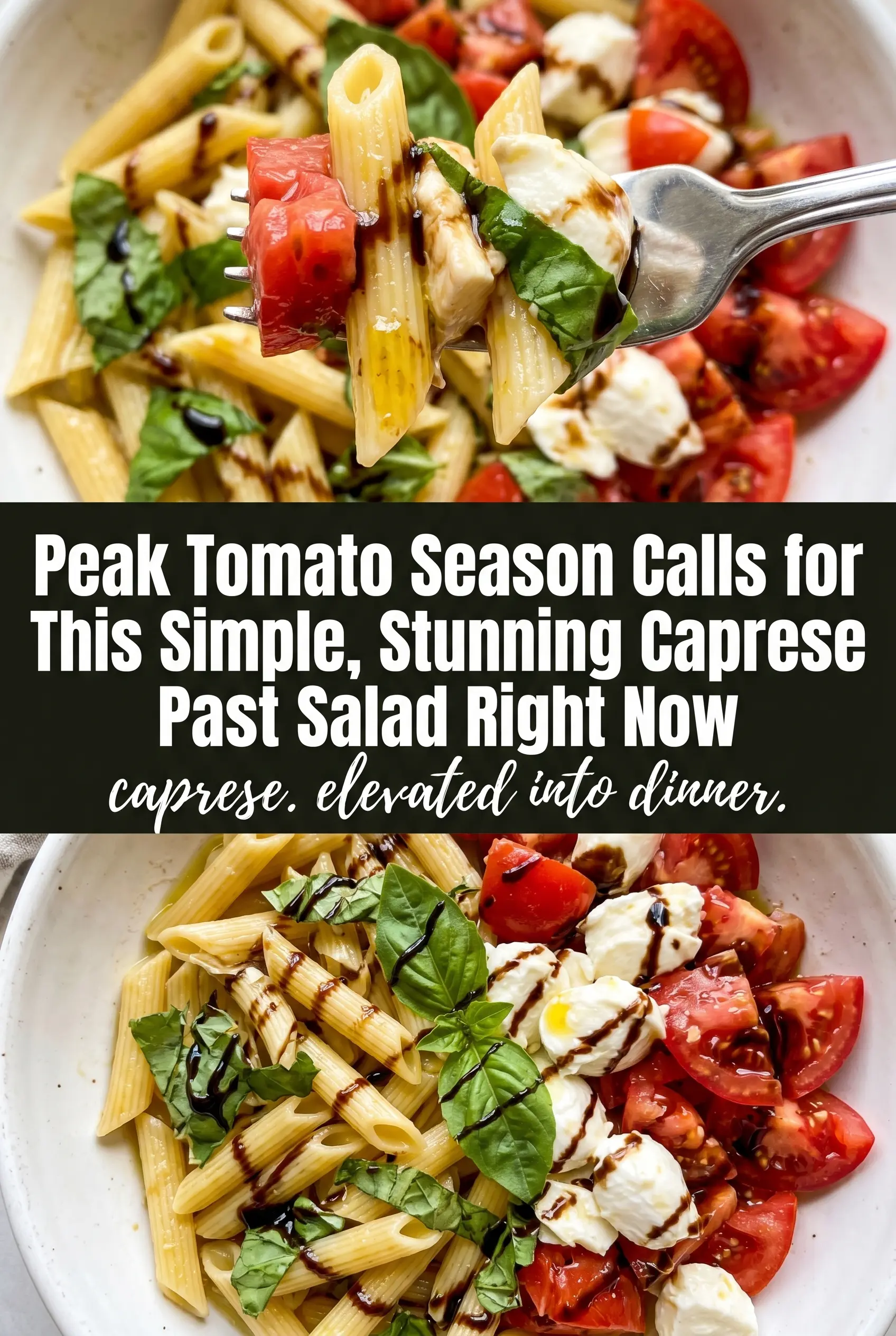
Caprese Pasta Salad
Ingredients
Equipment
Method
- Bring a pot of water to a boil and cook the pasta according to package directions, until tender. Drain and rinse with cold water to cool it quickly and stop further cooking.
- Whisk olive oil, balsamic vinegar, garlic, salt, and pepper until smooth and evenly combined. The dressing should look glossy and cohesive.
- Combine pasta, cherry tomatoes, mozzarella, and basil in a large bowl. Toss just until the tri-color ingredients are evenly distributed.
- Pour the dressing over the salad and toss gently to coat everything. Stop when the pasta looks lightly glossy rather than heavily soaked.
- Refrigerate for at least 1 hour so flavors meld and the salad chills throughout. Cover for the best freshness and keep the tomatoes bright.
- Drizzle balsamic glaze over the top before serving for a glossy finish. Add it right at the table so the glaze stays distinct.