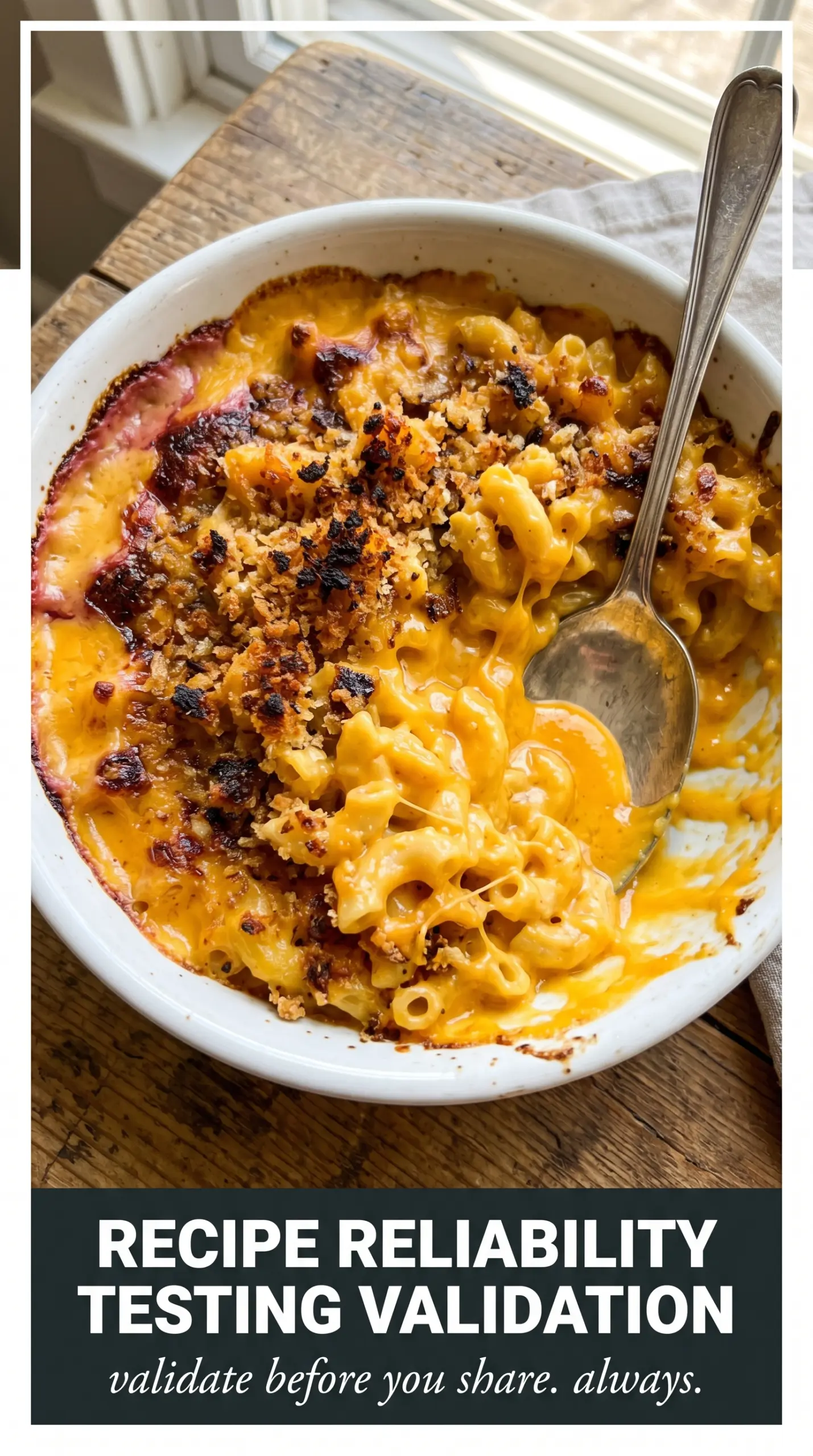
Ultra-creamy smoked mac and cheese earns its keep fast: the sauce stays rich, the pasta holds its bite, and the panko top turns crisp instead of soft. The smoke adds a mellow depth that makes the whole dish taste like it sat next to the grill all afternoon, even though the method is straightforward enough for a backyard cookout.
The trick is building the sauce before it ever sees the smoker. A smooth roux gives the milk and cream enough body to carry four cups of cheddar and two cups of Gouda without turning grainy, and the low smoker heat finishes the dish without scorching the edges. That last rest matters too. It gives the sauce a chance to settle back into the pasta so you get creamy spoonfuls instead of a loose pan of cheese sauce.
Below, I’ll walk through the small details that make this version work: which cheese melts best, how to keep the top from going soggy, and what to change if you need to make it ahead or feed a bigger crowd.
The sauce stayed silky after smoking and the panko topping actually stayed crisp. I let it rest the full 10 minutes and it sliced into perfect scoops, not a soupy mess.
Save this smoked mac and cheese for your next BBQ when you want a creamy center, crisp panko top, and real smoker flavor in one pan.
The Roux Is What Keeps the Cheese Sauce From Turning Grainy
Mac and cheese goes wrong when the dairy and cheese are asked to do all the thickening on their own. The roux gives this sauce a stable base, which means the milk and cream can turn velvety instead of thin, and the cheddar and Gouda can melt into the sauce instead of clumping or getting oily.
The other thing that matters here is heat control. Once the dairy goes in, keep the whisk moving and stay patient; if the sauce looks a little loose before the cheese melts, that’s normal. The biggest mistake is cranking the burner too high and rushing the melt. That’s how you get a greasy finish or a sauce with tiny curds instead of a smooth pour.
- Whole milk — This gives the sauce enough body without making it heavy. Lower-fat milk will work in a pinch, but the finished pan won’t feel as lush.
- Heavy cream — This is what makes the sauce taste rich enough to hold up to smoke. You can swap in half-and-half, but the result will be a little lighter and less plush.
- Sharp cheddar — Use a good sharp cheddar for the main cheese flavor. Pre-shredded cheese will melt, but freshly shredded cheese melts smoother because it doesn’t have anti-caking starch on it.
- Gouda — Gouda adds that stretchy, mellow melt that cheddar alone can’t give you. If you can’t find it, Monterey Jack is the closest substitute for meltability.
- Panko breadcrumbs — Panko stays crisper than regular breadcrumbs under smoke. Tossing it with melted butter before it goes on top helps it toast instead of drying out.
What Each Ingredient Is Actually Doing in Smooth Cheese Sauce
- Roux (butter and flour) as the base — The roux is essential for preventing graininess. It helps the cheese emulsify instead of separating.
- Butter and flour in equal amounts — The ratio matters. Too much flour makes it pasty; too little leaves it thin and cheese-prone to breaking.
- Cooked together briefly (2-3 minutes) before adding milk — The flour needs to toast slightly and absorb the butter. This creates a proper roux that thickens and stabilizes.
- Milk (or cream) added gradually while whisking — Adding liquid slowly prevents lumps. Dumping it all at once creates a grainy mess.
- Low to medium heat throughout — High heat breaks the emulsion and makes the sauce grainy. Gentle heat keeps everything smooth.
- Cheese added after sauce is smooth and slightly cooled — Hot sauce can break the emulsion when cheese is added. Let it cool slightly, then add cheese slowly while stirring.
- Cheese added in small additions (not all at once) — Adding cheese gradually helps it emulsify properly. Dumping it all at once can make it grainy.
- Final seasoning with salt, pepper, and optional mustard — Mustard helps stabilize the emulsion and prevent graininess. It also adds flavor that makes the sauce taste more sophisticated.
Building the Smoker Pan So the Top Stays Crisp
Start with cooked elbow macaroni that still has a little structure. If the pasta is too soft before it goes into the sauce, it’ll turn mushy by the time the pan comes off the smoker. The cheese sauce should coat the noodles heavily, not pool underneath them, so mix everything while the sauce is still hot and fluid.
Use a disposable aluminum pan if you can. It’s thin enough to let smoke and heat move evenly through the dish, and it makes cleanup painless for a side dish that feeds a crowd. The panko goes on last. If you bury it under extra cheese, you lose the crisp topping that makes this version stand out.
Cooking the Pasta Just Short of Tender
Boil the macaroni until it’s just shy of the texture you want to eat. It should still have a little bite when you taste it, because the smoker will finish softening it. Drain it well so you don’t thin the sauce with extra water. If the pasta sits wet in the colander, the sauce will loosen and you’ll lose some of that thick, clingy texture.
Whisking the Sauce Until It Goes Glossy
Melt the butter, whisk in the flour, and let that paste cook for a minute so the raw flour taste disappears. Then add the milk and cream gradually, whisking until the mixture looks smooth and slightly glossy before the cheese goes in. If the sauce looks lumpy at this stage, keep whisking over low heat; if you dump in the cheese too soon, the lumps just get locked in.
Smoking Until the Edges Bubble and the Top Turns Gold
Once the mac and cheese is in the pan and topped with panko butter, smoke it at 225°F until the edges are bubbling and the topping turns golden brown. That usually takes 60 to 90 minutes, depending on the thickness of the pan and how steady your smoker runs. If the top browns too fast, tent it loosely with foil for part of the cook and let the smoke do the rest.
What to Change When You Need a Different Kind of Pan
Dairy-Free Version That Still Melts Well
Use unsweetened oat milk and a dairy-free cream substitute, then swap in a plant-based cheddar-style shred that melts cleanly. The flavor will be a little less rich, and you’ll lose some of the natural stretch from Gouda, but the smoked finish still carries the dish well.
Gluten-Free Smoked Mac and Cheese
Use your favorite gluten-free elbow pasta and replace the flour with a gluten-free 1:1 blend for the roux. The sauce thickens the same way if you whisk patiently, though the pasta can soften faster, so pull the pan as soon as it’s bubbly and set at the edges.
Extra Smoky BBQ Side
Add a pinch of smoked paprika to the sauce or stir in a spoonful of chopped pickled jalapeños for sharper BBQ-style contrast. Keep the heat subtle; too much smoke or spice can bury the cheese and make the dish taste crowded instead of balanced.
Storage and Reheating
- Refrigerator: Keep leftovers covered for up to 4 days. The sauce thickens as it chills, so the texture becomes denser but still holds up well.
- Freezer: It freezes, but the sauce can get a little grainy after thawing. For best results, freeze in portions and thaw overnight in the fridge before reheating.
- Reheating: Reheat covered in a 325°F oven with a splash of milk stirred in first. The most common mistake is blasting it in the microwave until the cheese separates; gentle heat brings the sauce back without breaking it.
Questions I Get Asked About This Recipe

Groark Boys BBQ Smoked Mac and Cheese
Ingredients
Equipment
Method
- Prepare smoker to 225°F with your choice of wood, aiming for steady temperature before you cook. Look for consistent smoke output before loading the pan.
- Cook elbow macaroni until just tender, then drain. Keep the pasta warm so it mixes smoothly with the sauce.
- Melt butter in a cast iron skillet over medium heat until foamy. Keep it moving so it doesn’t brown.
- Add all-purpose flour and whisk for 1 to 2 minutes to form a thick roux. The mixture should look smooth and slightly golden.
- Whisk in whole milk and heavy cream gradually until the sauce is glossy and smooth. Scrape the bottom and sides to prevent lumps.
- Add sharp cheddar cheese and Gouda cheese, shredded, then whisk until fully melted. Season with garlic powder, onion powder, and salt and pepper to taste.
- Mix cooked elbow macaroni with the cheese sauce in a disposable aluminum pan until evenly coated. Ensure no dry pasta pockets remain.
- Top with panko breadcrumbs mixed with melted butter, spreading it evenly across the surface. You should see a dry, sandy layer that will toast into a crisp top.
- Place the pan in the smoker and smoke for 60 to 90 minutes at 225°F until bubbly and the top is golden. Watch for active bubbling around the edges and visible smoke throughout the cook.
- Let the mac and cheese rest for 10 minutes before serving. The center should thicken slightly so it holds together when scooped.