Greek chicken kabobs come off the grill with crisp-edged chicken, smoky peppers, sweet tomatoes, and that bright lemon-garlic hit that keeps you reaching for one more skewer. The marinade does the heavy lifting here. It seasons the chicken all the way through and helps it stay juicy over high heat, which is exactly why these kabobs earn a spot in the regular dinner rotation.
The key is giving the chicken enough time in the marinade without letting the lemon take over. Four to eight hours is the sweet spot: long enough for the garlic, oregano, and Dijon to work into the meat, but not so long that the texture turns soft on the outside. I also like to cut the chicken into even pieces so it cooks at the same pace as the vegetables, and I keep the grill hot enough to char the edges without drying out the center.
Below, you’ll find the small details that make these kabobs cook evenly, plus a few smart swaps if you need to work around what’s in your kitchen.
The chicken stayed juicy and the lemon-garlic marinade came through on every bite. I was nervous about the vegetables cooking at the same pace, but everything was perfect after 6 minutes per side.
Pin these Greek chicken kabobs for smoky grill marks, tender lemon-garlic chicken, and that cool tzatziki finish.
The Marinade Is Strong, So Timing Matters
These kabobs taste bold because the marinade is built on acid, garlic, and herbs, but that same acid can work against you if the chicken sits too long. Lemon juice starts changing the surface texture of the meat after several hours, which is great up to a point and then turns pasty. Four to eight hours gives you seasoned, tender chicken with enough structure left to hold up on the skewer.
The other thing that separates good kabobs from great ones is size. Cut the chicken into even cubes and keep the vegetables close to the same thickness so nothing is still raw while something else is already falling apart. If your peppers are cut too small, they’ll char before the chicken is done; if they’re too large, they’ll stay crisp when everything else is ready.
What Each Ingredient Is Actually Doing in These Kabobs
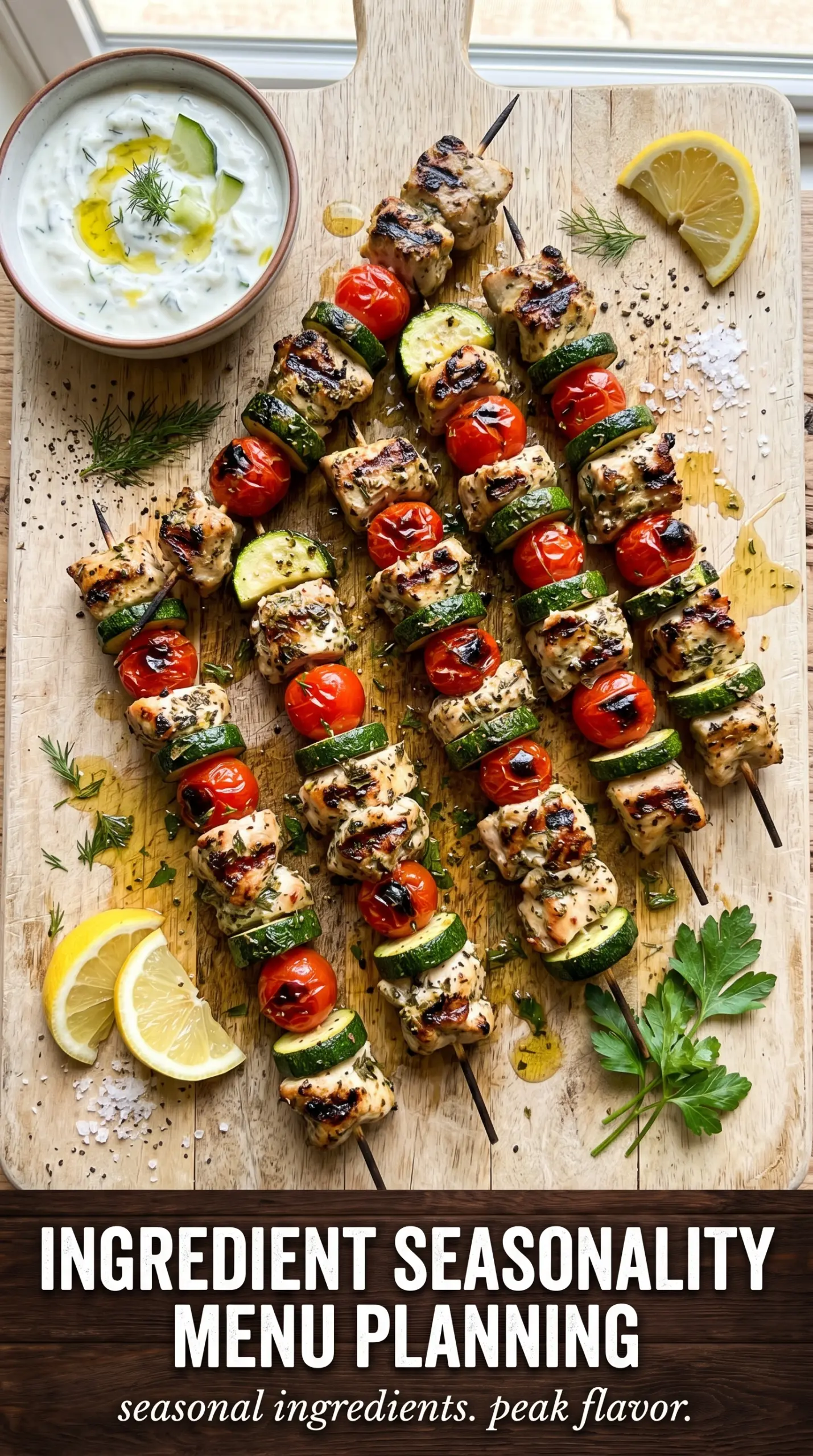
- Chicken breasts — This cut cooks quickly and takes on the marinade well, but it needs even pieces and hot grilling to stay juicy. Chicken thighs work too if you want a little more richness and a wider margin for error.
- Olive oil — It carries the garlic and oregano across the chicken and helps the kabobs brown instead of sticking. Use a decent extra-virgin oil here because you’ll taste it in the finished marinade.
- Lemon juice — This is what gives the kabobs their clean Greek brightness. Fresh lemon matters; bottled juice tastes flat and harsh, and it doesn’t lift the herbs the same way.
- Fresh oregano — Dried oregano works in a pinch, but fresh oregano gives the marinade a greener, more aromatic edge. If you use dried, cut the amount to about 2 teaspoons since it’s more concentrated.
- Dijon mustard — This doesn’t make the kabobs taste like mustard. It helps the marinade emulsify so the oil and lemon stay blended long enough to coat every piece of chicken.
- Cherry tomatoes, red onion, and bell pepper — These add sweetness, color, and enough texture to stand up to the grill. Keep the onion and pepper in sturdy chunks so they soften and char without disappearing.
- Tzatziki sauce — The cool, garlicky yogurt balances the heat and smoke from the grill. It’s not just a topping; it’s the part that ties the whole plate together.
Thread, Grill, and Rest Without Losing the Juice
Building the Marinade
Whisk the olive oil, lemon juice, garlic, oregano, Dijon, salt, and pepper until the mixture looks slightly thickened and no longer separates right away. That emulsion helps the chicken pick up flavor evenly instead of leaving the herbs and garlic at the bottom of the bowl. If the garlic is minced too large, it can burn on the grill, so keep it fine and evenly chopped.
Marinating the Chicken
Add the chicken and turn it well so every side is coated, then cover and refrigerate for 4 to 8 hours. Less time leaves the center underseasoned; much more time can make the outside mushy from the lemon. If you’re short on time, even 1 hour helps, but the flavor won’t be as deep.
Assembling the Skewers
Thread the chicken and vegetables onto soaked wooden skewers, leaving just a little space between pieces so heat can circulate. Packed-together ingredients steam, which is why some kabobs turn pale instead of picking up a good grilled edge. Put similar-sized pieces next to each other so the chicken and vegetables finish together.
Grilling to the Right Finish
Cook over medium-high heat for 5 to 6 minutes per side, turning once, until the chicken is cooked through and the edges have clear grill marks. If the grill is too hot, the outside will char before the inside cooks; if it’s too cool, the kabobs dry out while they wait for color. Pull them as soon as the center reaches 165°F and the juices run clear.
Serving Them Hot
Let the kabobs rest for a few minutes before serving with tzatziki, pita, and lemon wedges. That short rest keeps the juices in the chicken instead of running onto the plate the second you pull the skewers off the grill. A final squeeze of lemon right before eating wakes up the oregano and garlic.
How to Adapt These Kabobs for the Grill You Have, or the Diet You Need
Chicken Thigh Swap for Extra Juiciness
Use boneless, skinless chicken thighs in place of breasts if you want a richer result and a little more forgiveness on the grill. They handle the marinade well and stay juicy even if they go a minute or two past perfect. The tradeoff is a slightly heavier texture and less clean-looking cubes.
Dairy-Free and Naturally Gluten-Free Plate
The kabobs themselves are already dairy-free and gluten-free, so the only thing to watch is the side. Serve them with gluten-free pita or rice and use a dairy-free tzatziki made with coconut yogurt or a thick unsweetened plant-based yogurt. The flavor stays bright and fresh as long as the yogurt base is plain.
Broiler or Grill Pan Method
If you can’t grill outdoors, cook the skewers under a hot broiler or on a well-heated grill pan. You’ll still get browning, but the char will be a little less smoky, so don’t skip the lemon wedges and tzatziki. Turn them once halfway through so the chicken cooks evenly on both sides.
Make-Ahead Prep for a Crowd
You can marinate the chicken the day before and chop the vegetables ahead of time, then assemble the skewers just before cooking. That keeps the vegetables from weeping and the chicken from sitting in the marinade too long. For a party, this is the cleanest way to move fast once the grill is hot.
Storage and Reheating
- Refrigerator: Store leftovers for up to 3 days. The vegetables soften a bit, but the chicken stays good if it’s cooled quickly and sealed well.
- Freezer: The cooked kabobs freeze, but the vegetables lose their texture, so I prefer freezing only the marinated raw chicken. If you do freeze leftovers, pull the meat off the skewers first.
- Reheating: Reheat gently in a covered skillet over low heat or in a 300°F oven until just warmed through. High heat dries out the chicken fast, and the goal is to warm it, not cook it again.
Answers to the Questions Worth Asking
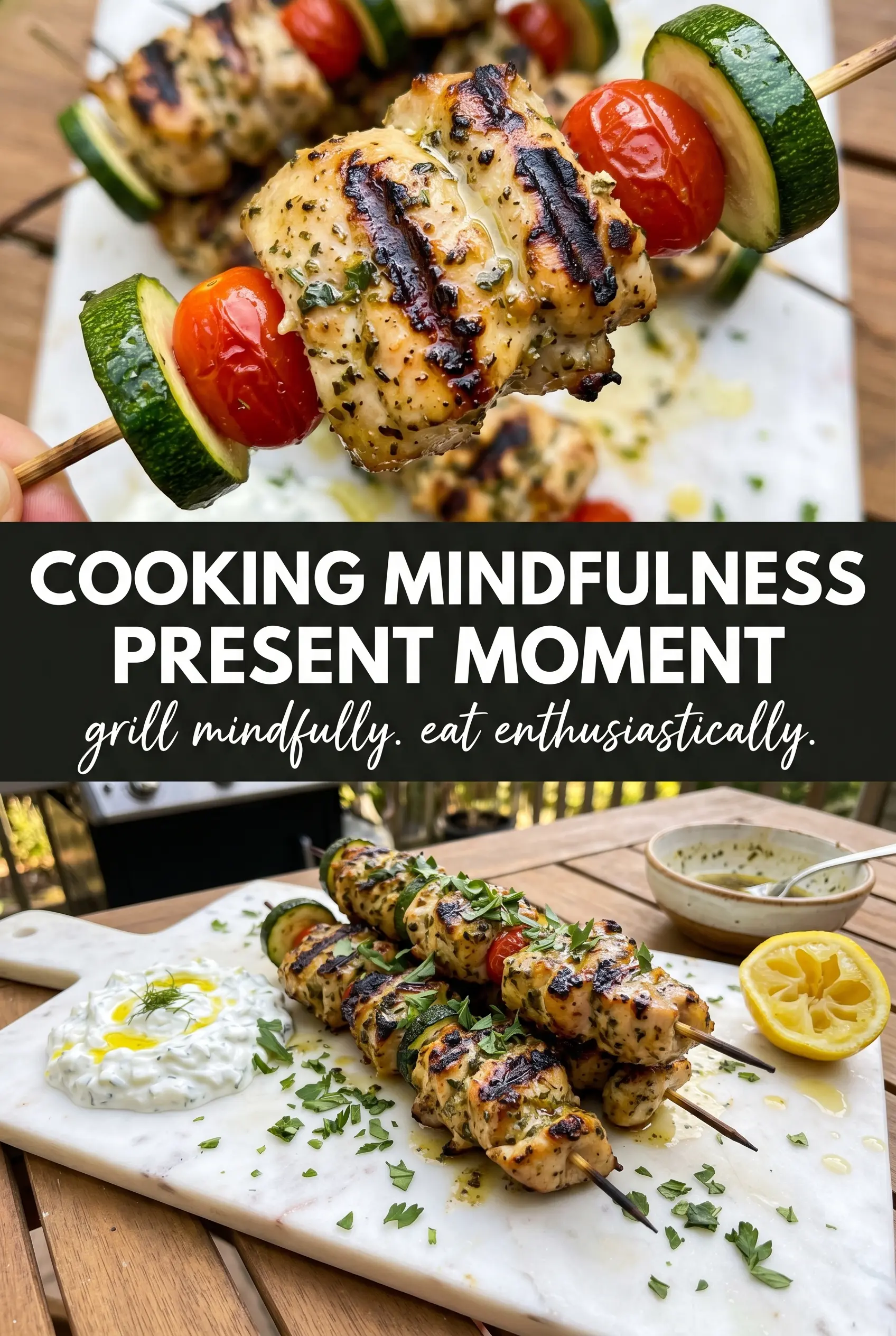
Greek Chicken Kabobs (Souvlaki-Style) with Tzatziki
Ingredients
Equipment
Method
- Whisk together olive oil, lemon juice, garlic, oregano, Dijon mustard, salt, and pepper until the mixture looks evenly combined (about 30 seconds).
- Marinate the chicken for 4-8 hours, turning once if needed so every piece is coated, then discard any leftover marinade that touched raw chicken.
- Thread chicken and vegetables onto soaked wooden skewers, leaving a little space between pieces so they grill evenly.
- Grill over medium-high heat for 5-6 minutes per side until the chicken is cooked through and has visible grill marks.
- Serve the Greek chicken kabobs hot with tzatziki sauce, pita bread, and lemon wedges.