Griddle smashed potatoes deliver the kind of crisp you can hear when the spatula slides underneath them. The edges turn deeply golden and shatter-like while the centers stay creamy, and the whole pan finishes with buttery garlic flavor and melted cheddar tucked into every ridge.
The trick is starting with potatoes that are fully tender but not waterlogged, then smashing them wide enough to expose a lot of surface area to the griddle. Oil and butter together give you both high-heat browning and that richer, almost pan-fried finish, while the garlic goes in around the potatoes instead of too early so it perfumes the pan without burning.
Below, you’ll find the timing that gives you the best crust, the ingredient swaps that still keep the potatoes crisp, and a few fixes for the most common smashed-potato mistakes.
The potatoes got that lacy, crispy edge on the griddle, and the garlic butter soaked into the cracks without making them greasy. My kids picked off the bacon first and then went back for the potatoes.
Love these ultra-crispy griddle smashed potatoes with melted cheddar and bacon? Save them to Pinterest for your next steak night or cookout side.
The Mistake That Keeps Smashed Potatoes Soft on the Griddle
The biggest failure point here is moisture. If the potatoes go onto the griddle wet, they steam before they crisp, and you end up with pale bottoms instead of those crunchy edges everyone wants. Draining well and letting them cool for a few minutes after boiling gives the surface a chance to dry out before they hit the heat.
Smashing them flat matters more than people think. A potato that’s only lightly pressed keeps too much of its dome shape, which means less contact with the pan and less browning. The thin, uneven edges are where the texture comes from, and that’s also why a heavy spatula or sturdy press works better than the back of a spoon.
- Baby potatoes — Waxy baby potatoes hold their shape after boiling and give you creamy centers with crisp edges. Yukon golds work well; russets are too fluffy and can fall apart when smashed.
- Olive oil and butter — The oil keeps the butter from burning while the butter gives the potatoes that rich, toasted finish. Using both is what makes the crust taste like more than just browned potato.
- Garlic — Fresh minced garlic adds a sharp, savory edge, but it burns fast on a hot griddle. Adding it around the potatoes instead of directly under them keeps the flavor without turning bitter.
- Cheddar, bacon, sour cream, and chives — These turn the potatoes into loaded griddle potatoes with salty, creamy contrast. Shred the cheese yourself if you can; pre-shredded cheese melts less smoothly because of the anti-caking coating.
How to Build a Golden Crust Without Burning the Garlic
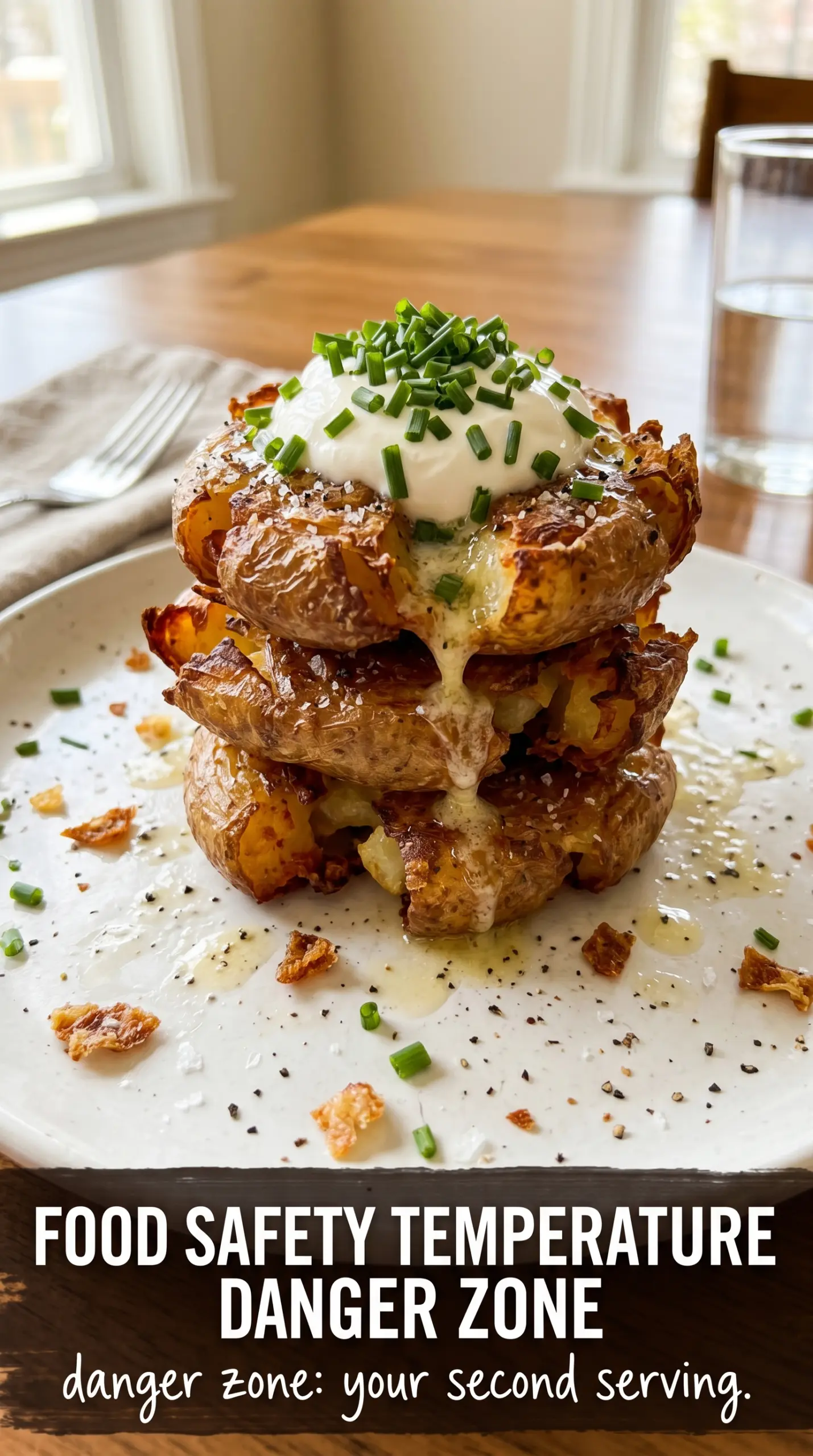
- Boil until tender, then dry them out — The potatoes should be easy to pierce with a fork but not splitting apart in the pot. Drain them well and let the steam escape for a few minutes so the surface isn’t slick when they hit the griddle.
- Heat the griddle before the potatoes go down — Medium-high heat gives you the crust you’re after. If the griddle is too cool, the potatoes soak up fat instead of searing, and the first side never gets that deep golden color.
- Smash with confidence — Press each potato until it’s flattened and the edges crack a little. Those broken edges turn into the crispiest part of the whole dish, so don’t keep them neat and round.
- Flip only after the crust sets — The first side should release cleanly and look deeply browned before you turn it. If it sticks, leave it another minute; forcing it too early tears off the crust you worked for.
Three Ways to Serve Them Without Losing the Crunch
Dairy-Free Loaded Potatoes
Skip the butter and cheddar and use extra olive oil plus a dairy-free shredded cheese that melts well. The potatoes still crisp beautifully, but the finish is a little lighter and less rich.
Vegetarian Griddle Smashed Potatoes
Leave out the bacon and add extra chives or a spoonful of chopped scallions for a fresh finish. You’ll lose the smoky saltiness, so a pinch of smoked paprika over the top helps bring some of that back.
Make Them Ahead for a Crowd
Boil and dry the potatoes earlier in the day, then smash and griddle them right before serving. They hold their shape well, but the crisp texture is best when they go from griddle to plate with no long wait.
Storage and Reheating
- Refrigerator: Store leftovers in an airtight container for up to 3 days. The potatoes soften a bit, but they still reheat well.
- Freezer: Not ideal. The texture turns mealy after freezing and thawing, so these are best made fresh.
- Reheating: Reheat in a hot skillet or on a griddle over medium heat until the edges crisp again. The microwave makes them soft, which is the one thing you’re trying to avoid.
Questions I Get Asked About This Recipe
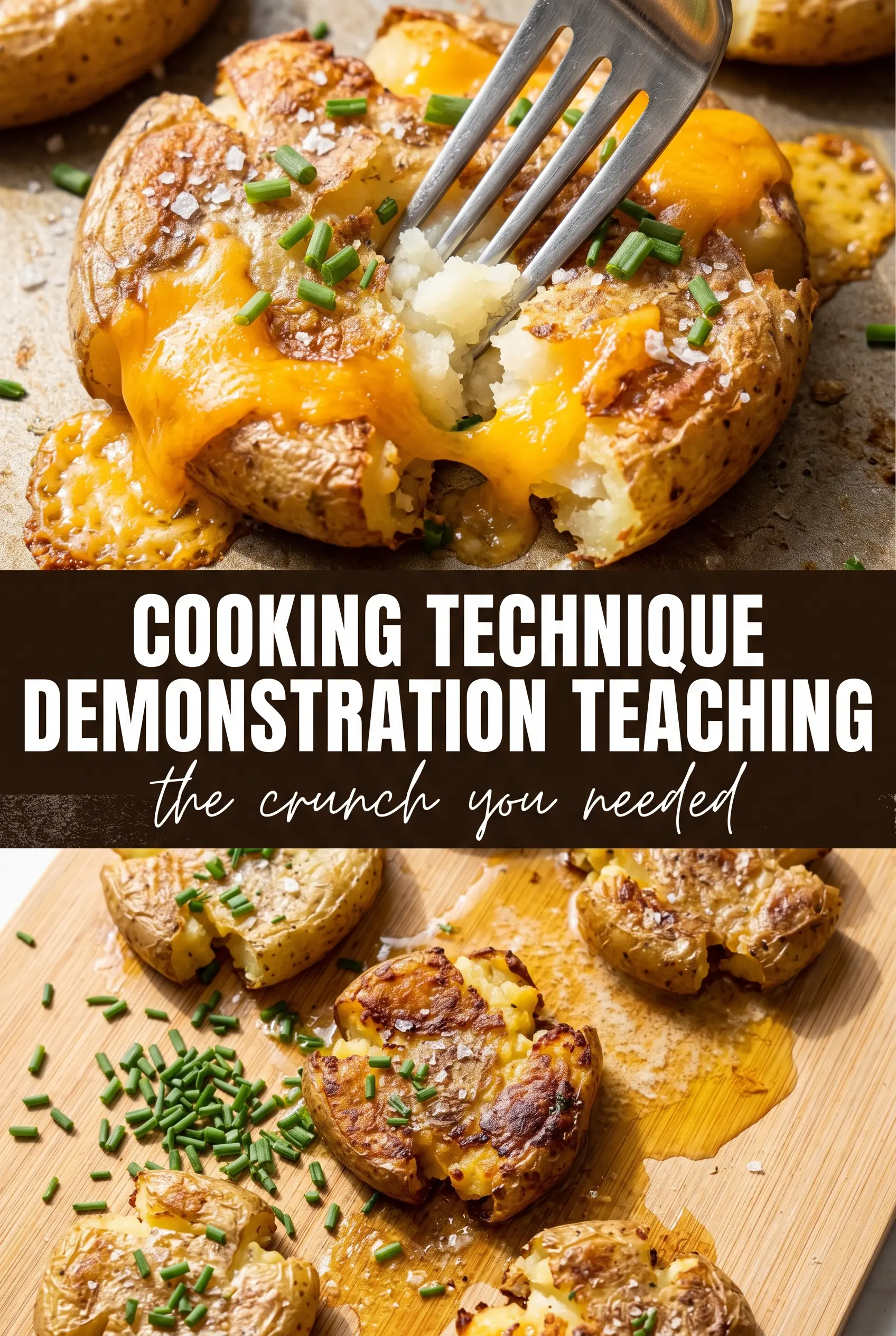
Griddle Smashed Potatoes
Ingredients
Equipment
Method
- Bring a pot of water to a boil and boil baby potatoes until tender, about 15-20 minutes.
- Drain the potatoes and cool slightly so they can be smashed without steaming off the crisping oils.
- Heat a griddle to medium-high and add olive oil and butter.
- Place the potatoes on the griddle and smash completely flat with a heavy spatula to create maximum contact for crisp edges.
- Add minced garlic around the potatoes and cook for 6-7 minutes until a crispy golden crust forms.
- Flip the potatoes and cook another 5-6 minutes until both sides are crispy.
- Sprinkle the smashed potatoes with shredded cheddar cheese so it melts on contact with the hot griddle.
- Top with cooked and crumbled bacon, then spoon over sour cream and finish with chopped chives before serving.