Grilled garlic butter steak and shrimp kabobs land on the plate with the kind of contrast that makes people lean in: smoky edges on the steak, juicy shrimp with just a little snap, and vegetables that pick up the butter and char instead of turning limp. The whole skewer feels special without requiring a complicated marinade or a long list of ingredients.
What makes this version work is the way the garlic butter does double duty. Half goes in as a short marinade to season the meat and shrimp, and the other half stays clean for basting on the grill, which keeps the flavor bright instead of muddy. Sirloin holds up well to direct heat, and large shrimp cook fast enough to stay tender as long as they’re threaded with enough space for the heat to move around them.
Below, I’ve included the little things that matter here: how to keep the shrimp from overcooking, why the butter is split instead of used all at once, and the best way to build the skewers so everything finishes at the same time.
The garlic butter caramelized on the grill and the shrimp stayed tender instead of rubbery. I used metal skewers and everything cooked evenly in just a few minutes per side.
Save these grilled garlic butter steak and shrimp kabobs for the nights when you want smoky skewers with a glossy garlic butter finish.
The Part Most People Get Wrong: Cooking Shrimp and Steak at the Same Speed
Steak and shrimp on one skewer can go wrong fast if you treat them like they want the same treatment for the same amount of time. Shrimp turn firm and dry quickly, while sirloin needs enough heat to pick up color without losing all its juices. The trick is to cut the steak into even cubes, use large shrimp, and keep the pieces close enough to brown but not packed so tightly that they steam.
The other mistake is overloading the skewers with vegetables that need a longer grill time than the seafood. Bell peppers and onions work because they soften quickly and still taste good with a little bite left in them. If you cut them too large, the shrimp will finish before the vegetables are even tender, and the whole skewer loses its rhythm.
What the Garlic Butter Is Doing for Every Piece on the Skewer
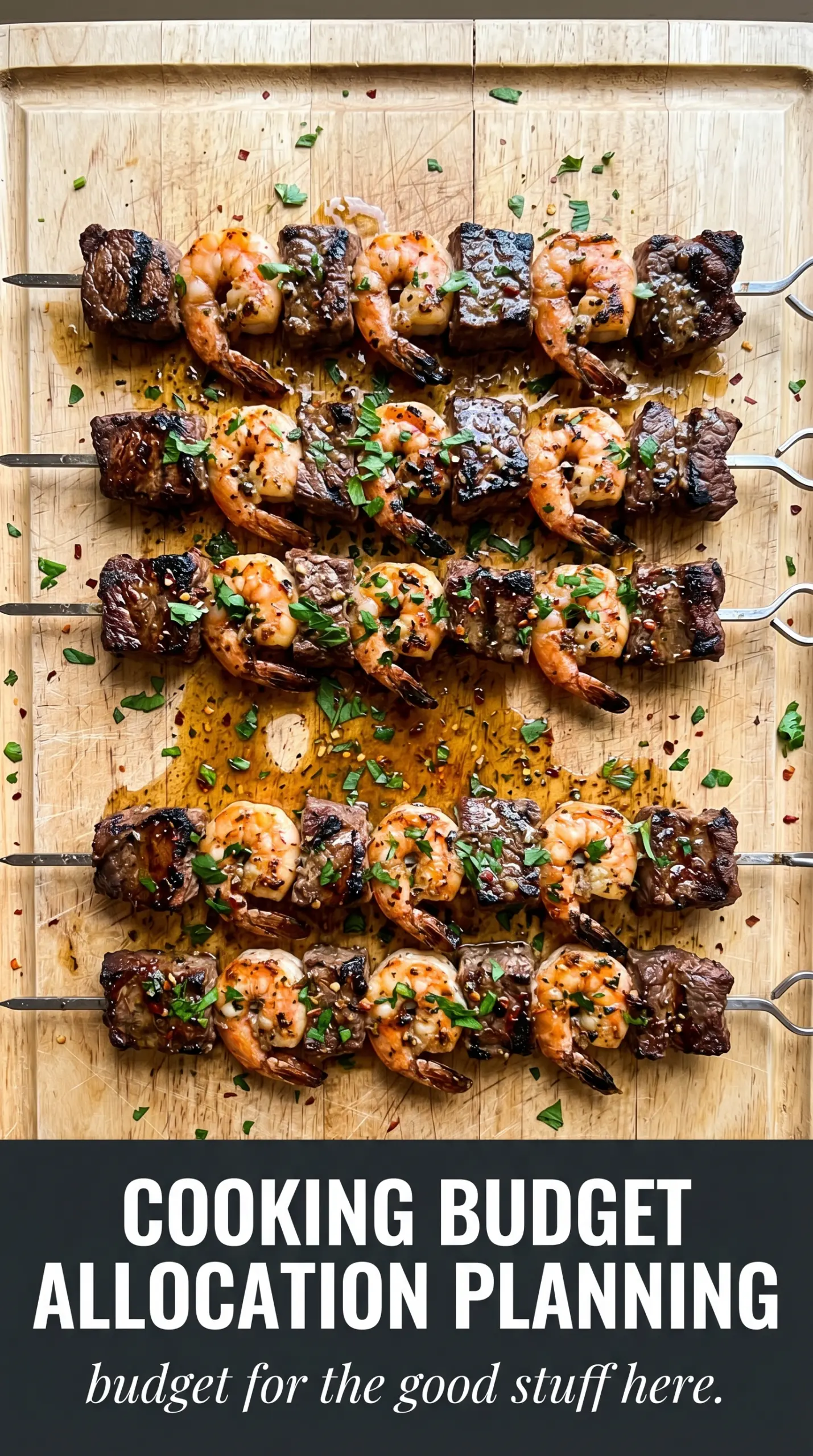
- Sirloin steak — Sirloin is sturdy enough for the grill and still stays tender if you don’t leave it over the heat too long. Cut it into similar-size cubes so it cooks evenly with the shrimp. A pricier cut isn’t necessary here because the garlic butter and char give the steak plenty of character.
- Large shrimp — Bigger shrimp hold up better on skewers and are easier to pull off the grill at the right moment. Smaller shrimp cook too fast and can slip from soft to rubbery in a heartbeat. If you use frozen shrimp, thaw them completely and pat them dry so the butter clings instead of sliding off.
- Butter, garlic, parsley, and lemon — This is the flavor base and the basting sauce, so freshness matters. Real garlic and lemon juice keep the butter from tasting flat, and parsley gives the finish a clean, green note that keeps the kabobs from feeling heavy. Don’t swap in dried parsley unless you have to; it disappears against the grill flavor.
- Bell peppers and onions — These bring sweetness and a little crunch, and they’re sturdy enough to stay on the skewer without collapsing. Red or yellow peppers give the best balance of color and sweetness. If you use onions with very thick layers, cut them into chunks that separate a little so they char instead of staying raw in the center.
- Wooden or metal skewers — Metal skewers heat quickly and help the kabobs cook more evenly, while wooden skewers need a soak so they don’t scorch. If you’re using wood, give them at least 20 to 30 minutes in water. Dry skewers can catch before the shrimp are done.
How to Build the Char Without Drying Out the Shrimp
Mixing the Garlic Butter
Stir the melted butter with the garlic, parsley, lemon juice, salt, and pepper until the garlic is evenly suspended. The butter should look fragrant and slightly cloudy from the lemon, not separated. Reserve half before the seafood goes in so you’ve got a clean basting sauce for the grill; once raw shrimp touch the butter, that portion stays out of the picture.
A Quick Marinade, Not an Overnight Soak
Coat the steak and shrimp in the remaining butter and let them sit for 30 minutes. That’s long enough to season the surface and short enough to protect the shrimp’s texture. If you leave shrimp in acidic marinade too long, the lemon starts to firm them up before they ever hit the grill.
Threading the Skewers Evenly
Alternate steak, shrimp, and vegetables so each skewer has a little balance of everything. Leave a small gap between pieces instead of packing them tight; the exposed edges are what pick up browning. If the pieces are jammed together, the shrimp trap steam and the steak loses that grilled edge you’re after.
Grilling and Basting at the End
Cook over medium-high heat for 3 to 4 minutes per side, basting with the reserved garlic butter as they go. Watch for opaque shrimp with curled tails and steak that has a browned exterior but still feels a little springy when pressed. If the butter starts to flame, move the skewers to a cooler part of the grill for a moment; too much direct flare-up can scorch the garlic before the kabobs finish.
How to Adapt These Kabobs for Different Grills and Dinner Plans
Dairy-Free Garlic Herb Kabobs
Swap the butter for a good olive oil or a plant-based butter that melts cleanly. You’ll lose a little of the rich, glossy finish that real butter gives, but the garlic, lemon, and parsley still carry the dish well. Olive oil also browns a bit differently, so watch the kabobs closely and baste lightly to avoid greasy flare-ups.
All-Steak or All-Shrimp Skewers
If you want to simplify the timing, build the skewers with just one protein. Steak-only kabobs can cook a little longer for a deeper crust, while shrimp-only skewers need just a few minutes per side and are best brushed with butter right at the end. Mixing both is the special part, but separating them gives you more control.
Vegetable Variations That Still Cook in Time
Cherry tomatoes, zucchini chunks, and mushrooms all work if you keep the pieces sized to match the meat. Tomatoes burst and add juice, mushrooms soak up the butter, and zucchini gives you a softer bite than peppers. Avoid dense vegetables like potatoes unless you par-cook them first, or they’ll lag behind everything else on the grill.
Storage and Reheating
- Refrigerator: Store leftovers in an airtight container for up to 2 days. The shrimp will firm up a little, and the vegetables will soften.
- Freezer: Freezing isn’t ideal after grilling because shrimp and vegetables both lose texture. If you want to get ahead, freeze the raw cubed steak separately and prep fresh shrimp and vegetables later.
- Reheating: Warm gently in a skillet over low heat just until heated through, or use short bursts in the microwave at reduced power. High heat will dry out the shrimp fast, and that’s the easiest way to turn a good leftover into a tough one.
Answers to the Questions Worth Asking
Grilled Garlic Butter Steak and Shrimp Kabobs
Ingredients
Equipment
Method
- Mix melted butter, garlic, parsley, lemon juice, salt, and pepper in a bowl until glossy. Visual cue: the mixture should look evenly speckled with garlic and herbs.
- Reserve half the garlic butter for basting and set aside. Visual cue: you should have enough for brushing during grilling.
- Marinate the steak and shrimp in the remaining garlic butter for 30 minutes. Visual cue: the surfaces will look coated and slightly glossy.
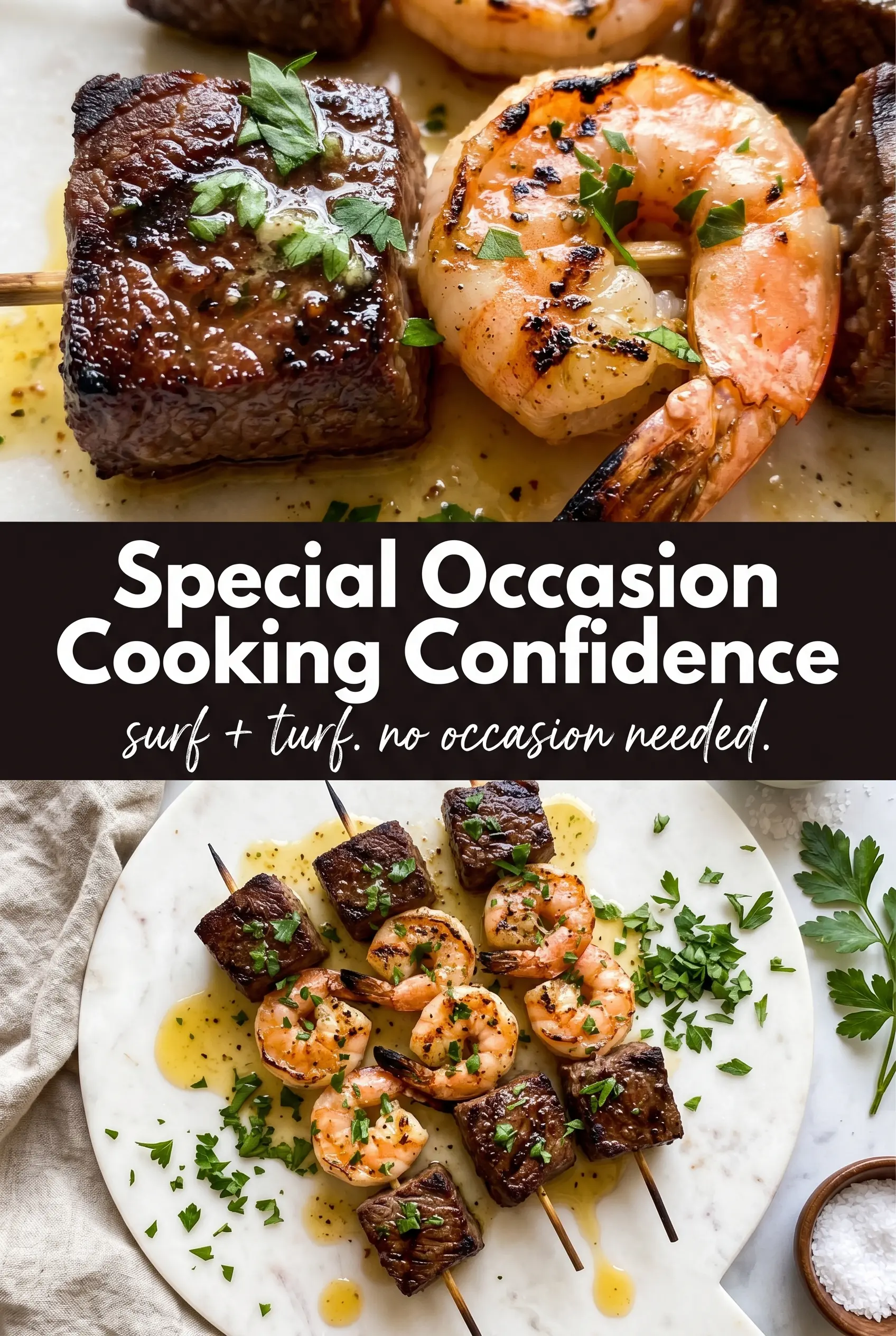
- Thread steak, shrimp, and vegetables alternately onto skewers. Visual cue: visible steak cubes and pink shrimp should be spaced along the skewer.
- Grill over medium-high heat for 3 to 4 minutes per side, basting with the reserved garlic butter as they cook. Visual cue: you should see char and caramelized edges while the shrimp turn opaque and pink.
- Serve the kabobs immediately after grilling. Visual cue: melted butter will cling to the meat and vegetables for a shiny finish.