Smoked mac and cheese earns its place on the table because it gives you two textures at once: a silky cheese sauce wrapped around every noodle, then a bronzed, smoky crust that cracks under the spoon. The smoke doesn’t overpower the dish here. It settles in around the sharp cheddar and smoked Gouda and makes the whole pan taste deeper, richer, and just a little bit special.
The trick is keeping the sauce smooth before it ever hits the smoker. A quick roux gives the milk and cream something to cling to, and shredding the cheese yourself helps it melt without turning grainy. The panko topping stays separate until the end, so it can brown instead of disappearing into the sauce.
Below, I’ve included the details that matter most: how to keep the cheese sauce from breaking, which cheese does the heavy lifting, and what to do if you want to make this ahead for a crowd.
The cheese sauce stayed smooth the whole time, and the panko top got this perfect crunchy layer without drying out the pasta underneath. I served it with brisket and there wasn’t a spoonful left.
Save this smoked mac and cheese for the next barbecue, when you want a creamy center and a crisp smoky top in one pan.
The Reason the Sauce Stays Creamy Under Smoke
Smoked mac and cheese can go wrong in two ways: the sauce breaks, or the pasta dries out before the top browns. This version avoids both by building the sauce fully on the stove first, then moving the finished pan to the smoker. The cheese is already melted and the starch from the roux has done its job, so the smoker is only finishing the dish, not trying to cook it from scratch.
The other detail that matters is the pan size. A wide aluminum pan gives you more surface area for smoke and more room for the topping to crisp. If the mac sits too deep, the center stays soft while the top gets dark, and you end up stirring to fix it right when you should be leaving it alone.
What the Cheese Choices Are Really Doing Here
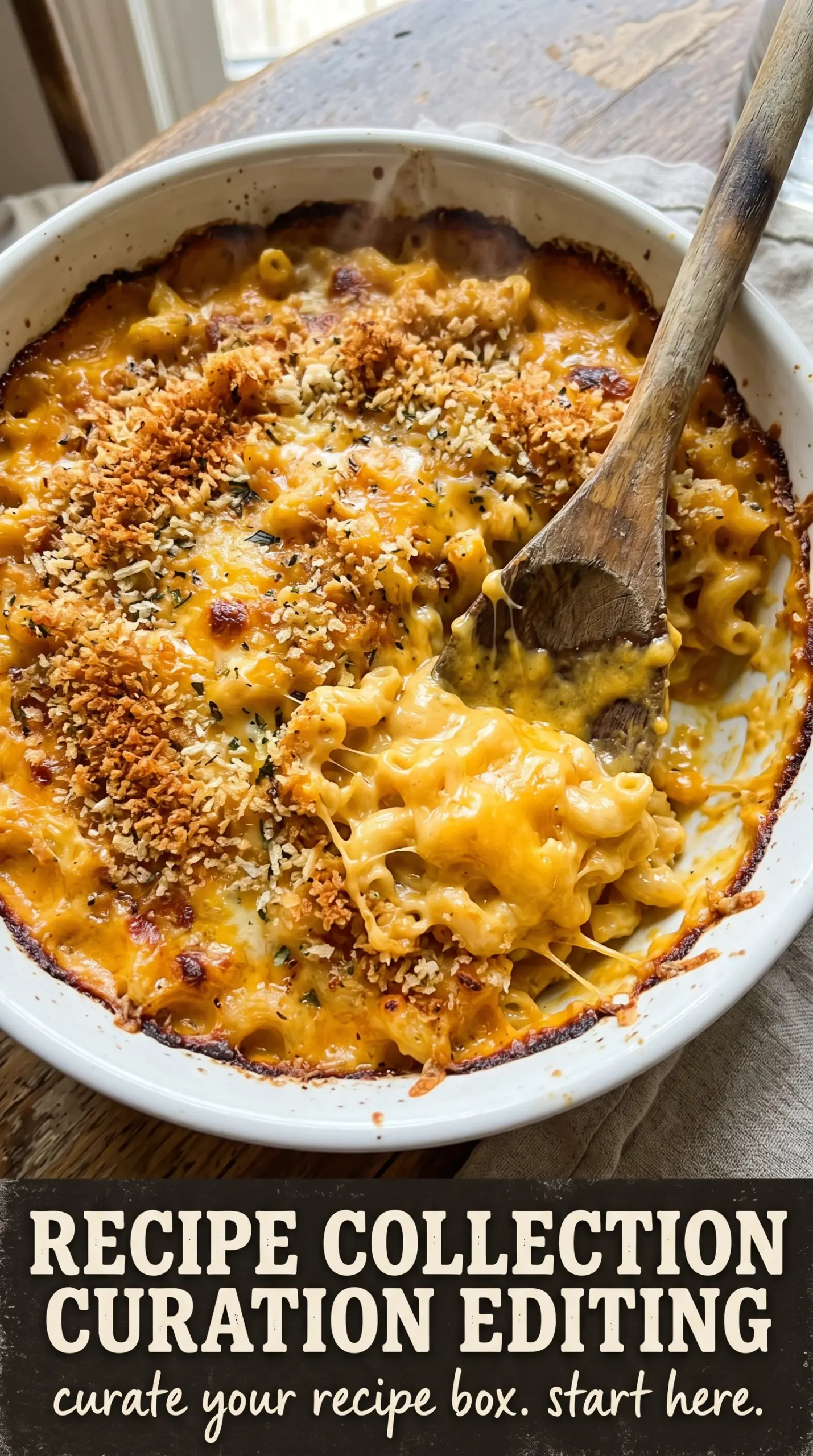
- Sharp cheddar — This is the backbone. It brings the tang and the classic mac and cheese flavor, but it can get greasy if you overheat it, so it belongs in a thickened sauce over low heat, not a boiling one.
- Smoked Gouda — This gives the dish its smoky depth and a smoother melt than cheddar alone. If you can’t find it, regular Gouda is the best swap, but you’ll lose some of that campfire-like finish that makes the recipe stand out.
- Milk and heavy cream — Milk keeps the sauce from feeling heavy, while cream gives it body so it still looks luscious after smoking. You can use all milk in a pinch, but the sauce will set up looser and won’t cling as richly to the pasta.
- Panko breadcrumbs — These brown into a crisp crust instead of turning soggy. Regular breadcrumbs work, but panko gives you a lighter, more shattery top that contrasts with the creamy pasta underneath.
Building the Pan So It Smokes, Bubbles, and Browns Right
Starting the Roux
Melt the butter in a saucepan over medium heat, then whisk in the flour until it looks paste-like and smells a little nutty. That minute of cooking matters because raw flour tastes chalky, and undercooked roux is one of the fastest ways to get a thin sauce. Keep the heat moderate; if the butter browns hard before the flour cooks, the sauce takes on a burnt edge instead of a clean, rich flavor.
Making the Cheese Sauce
Whisk in the milk and cream gradually so the base stays smooth. Once it thickens enough to coat a spoon, pull the pan down to low heat before adding the cheese. If the sauce is grainy, it’s usually because the cheese went in over heat that was too high; gentle heat lets it melt into the sauce instead of tightening up and separating.
Combining Pasta and Sauce
Stir the cooked macaroni into the cheese sauce until every piece is coated and glossy. The pasta should be just tender, not soft, because it keeps cooking a little in the smoker. If it starts out overcooked, the final dish turns mushy before the top even has a chance to brown.
Smoking and Finishing the Top
Transfer everything to the aluminum pan, spread it into an even layer, then mix the panko with the melted butter and scatter it over the top. Smoke at 225°F until the edges are bubbling and the crust is deep golden, usually 60 to 90 minutes depending on the thickness of the pan. If the top darkens too fast, cover it loosely with foil for the last stretch and keep going until the center is hot and creamy.
Three Ways to Adapt This for Different Tables
Dairy-Free Version
Use unsweetened oat milk, a plant-based cream, and a good melting dairy-free cheese. The texture can still be creamy, but the flavor is flatter, so lean harder on salt and a little smoked paprika if you want to replace the depth that dairy normally brings.
Gluten-Free Swap
Use a 1:1 gluten-free flour blend for the roux and gluten-free pasta for the noodles. The sauce still thickens nicely, but gluten-free pasta can soften faster, so pull it from the smoker as soon as the top is crisp and the center is hot.
Extra Smoky BBQ Side
Add a pinch of smoked paprika or a few dashes of hot sauce to the cheese sauce, then finish with a little extra cheddar on top before the panko. The result is bolder and more barbecue-friendly, but it also pulls attention away from the mild creaminess, so use that route when the mac is playing a supporting role next to brisket or ribs.
Storage and Reheating
- Refrigerator: Store leftovers covered for up to 4 days. The sauce will firm up as it chills, but it should still stay creamy once reheated.
- Freezer: It freezes okay, though the sauce can separate a little after thawing. Freeze in portions, tightly wrapped, and expect a slightly softer texture when it comes back.
- Reheating: Warm it covered in the oven at 325°F with a splash of milk stirred in first, or reheat single servings gently in the microwave. The mistake to avoid is blasting it on high heat, which turns the cheese oily and makes the pasta dry at the edges.
Answers to the Questions Worth Asking
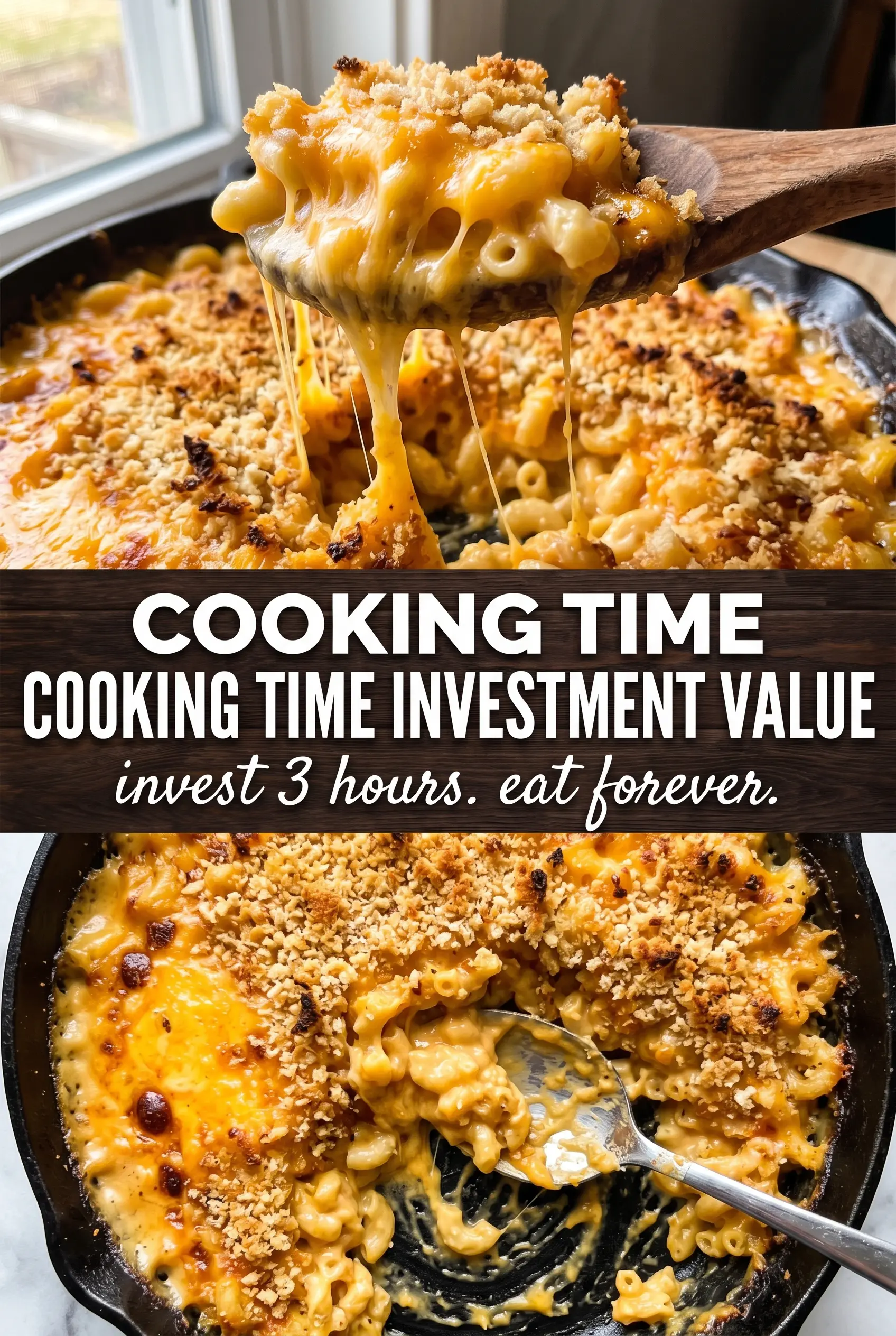
Smoked Mac And Cheese
Ingredients
Equipment
Method
- Prepare smoker to 225°F, maintaining steady heat for even melting. Keep smoke visible as it warms up.
- Make cheese sauce by melting butter, then whisking in flour until smooth. Cook 1-2 minutes to remove raw flour taste while the mixture thickens.
- Whisk in milk and heavy cream gradually until the sauce is glossy and thickened. Keep heat at a gentle simmer for smooth melting.
- Add sharp cheddar and smoked Gouda, stirring until fully melted and creamy. Season with garlic powder and salt and pepper, watching for a smooth, pourable texture.
- Mix cooked elbow macaroni with the cheese sauce in an aluminum pan until every noodle is coated. Spread into an even layer for consistent browning.
- Top with panko breadcrumbs that have been mixed with melted butter. Sprinkle evenly so the crust turns golden and crisp.
- Smoke at 225°F for 60-90 minutes until the mac and cheese is bubbly and the top is golden. Look for bubbling at the edges and a browned crust that pulls slightly away from the pan.
- Let the smoked mac and cheese rest 10 minutes before serving. During the rest, the sauce will thicken slightly and the surface will settle.