Maple pumpkin cookies bake up soft in the center with crinkled tops, warm spice, and just enough chew to keep them from feeling cakey. The maple glaze settles into the ridges and gives each cookie that glossy finish that makes people reach for a second one before they finish the first.
What makes these work is restraint. Pumpkin adds moisture fast, so the puree gets blotted dry before it ever touches the bowl. That small step keeps the dough from turning heavy and lets the cookies spread just enough instead of baking up dense and muffled. Maple syrup goes into the dough for flavor, while the glaze carries the stronger maple hit on top, where it can stay bright instead of getting lost in the batter.
Below, you’ll find the trick that keeps the cookies soft without going greasy, plus the one glaze detail that makes the finish look polished instead of runny. The flaky salt on top matters more than it sounds; it keeps the sweetness in check and makes the maple taste fuller.
I blotted the pumpkin like you said and the cookies baked up soft instead of cakey. The maple glaze set nicely after about 20 minutes, and the flaky salt on top made the maple flavor stand out.
Like this recipe? Save these maple pumpkin cookies for the days when you want soft, spiced cookies with a glossy maple glaze.
The Pumpkin Mistake That Makes Cookies Heavy
Most pumpkin cookies fail for one reason: too much moisture. Pumpkin puree looks harmless in the bowl, but even a little extra water changes the dough from soft and plush to thick, sticky, and cakey. Blotting the puree until it feels almost paste-like is what keeps the texture light enough to spread while still tasting like pumpkin.
The other trap is adding too much flour to fix a soft dough. This recipe already has enough structure from the egg yolk, butter, and a restrained amount of puree. If the dough looks slightly soft after mixing, that’s fine. Chilling it isn’t necessary here; a scoopable dough bakes better than a stiff one that never relaxes in the oven.
- Blotted pumpkin puree — This removes the water that would otherwise make the cookies puff up and stay cakey. Press it between paper towels until it stops leaving a damp spot.
- Egg yolk instead of a whole egg — The yolk adds richness and binding without the extra water from the white. That keeps the crumb tender instead of bready.
- Maple syrup in the dough — It brings a soft maple note and helps with browning. The glaze is where the stronger maple finish comes from.
What Each Ingredient Is Actually Doing in These Cookies
- All-purpose flour — The standard flour keeps these cookies tender but structured. A cup-for-cup gluten-free blend can work, but the cookies may spread a touch less and taste a little more delicate.
- Brown sugar — This gives the dough moisture, chew, and a deeper caramel note that plays well with maple. White sugar will make the cookies drier and less rounded in flavor.
- Pure maple syrup — Use the real stuff here. Pancake syrup doesn’t bring the same flavor or balance, and it can make the glaze taste flat.
- Pumpkin puree, blotted dry — Canned pumpkin is perfect, but it has to be pressed dry before mixing. That one step keeps the cookies from turning fluffy and dense instead of soft and crinkly.
- Maple extract — This is what gives the cookies a clear maple aroma without needing so much syrup that the dough gets wet. If you don’t have it, add a little extra vanilla and expect a milder maple finish.
- Flaky sea salt — Don’t skip it. The salt sharpens the glaze and keeps each bite from tasting one-note sweet.
Building the Dough, Baking the Edges, Finishing the Glaze
Dry Ingredients First
Whisk the flour, baking soda, spice, cinnamon, and salt together until the color looks even. That keeps the baking soda from streaking and prevents one bite from tasting more spiced than the next. If the spices aren’t fully dispersed, the dough can bake with little pockets of bitterness.
Whipping the Butter and Sugar
Beat the butter and brown sugar until the mixture looks lighter and a little fluffy. This gives the cookies some lift before the pumpkin goes in. Stop once the mixture looks creamy; if you keep going until it’s ultra-aerated, the cookies can puff and then collapse more than you want.
Adding the Wet Ingredients Without Breaking the Dough
Mix in the maple syrup, blotted pumpkin, egg yolk, vanilla, and maple extract just until combined. The dough may look slightly curdled for a moment because butter and pumpkin don’t fully share the same texture, but it comes together once the flour goes in. Overmixing here can make the cookies tougher and cause the flour to work too hard.
Baking to the Right Set
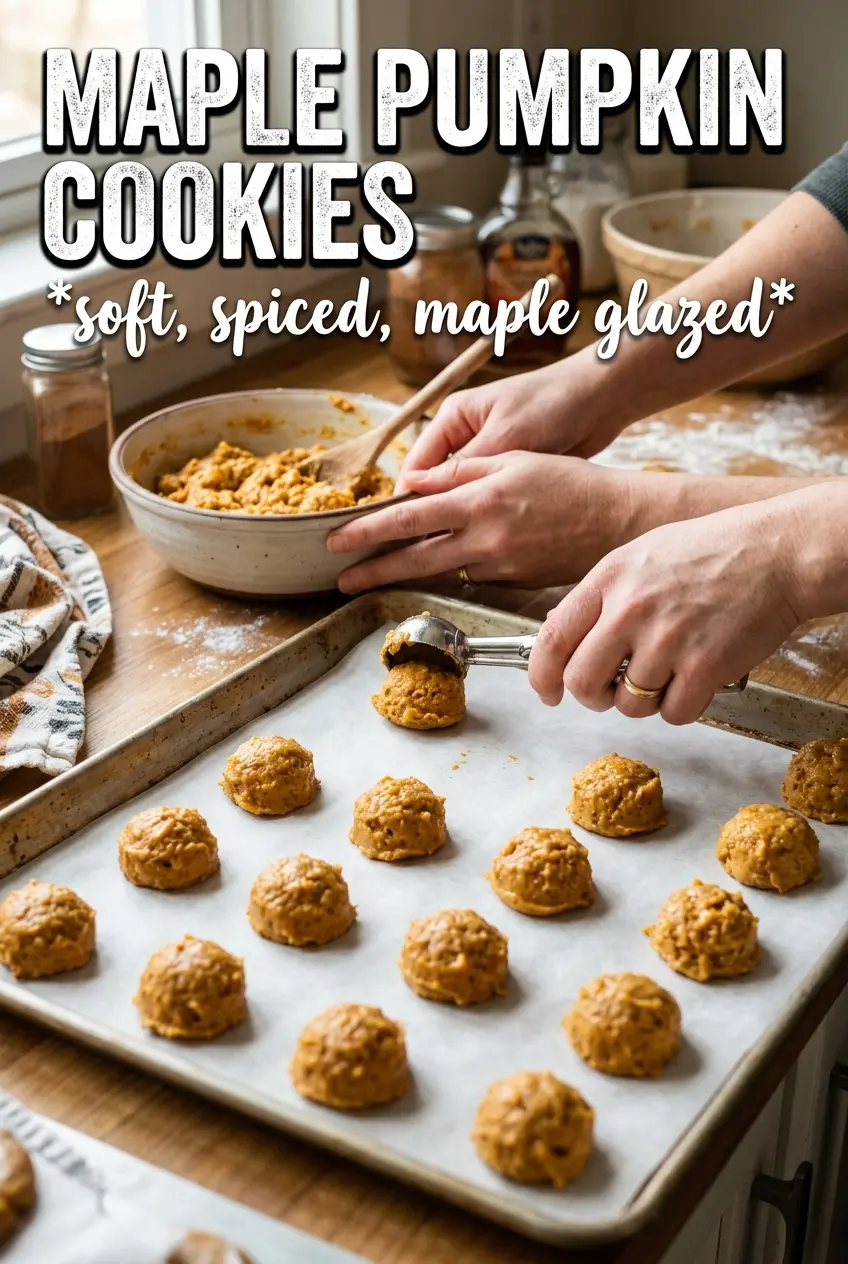
Scoop the dough into 1 1/2-tablespoon rounds and bake until the edges are set and the centers still look a little soft. They finish setting on the tray as they cool, which is what keeps them tender. If you wait until the tops look completely dry, they’ll go past soft and turn more cake-like.
Glazing After Full Cooling
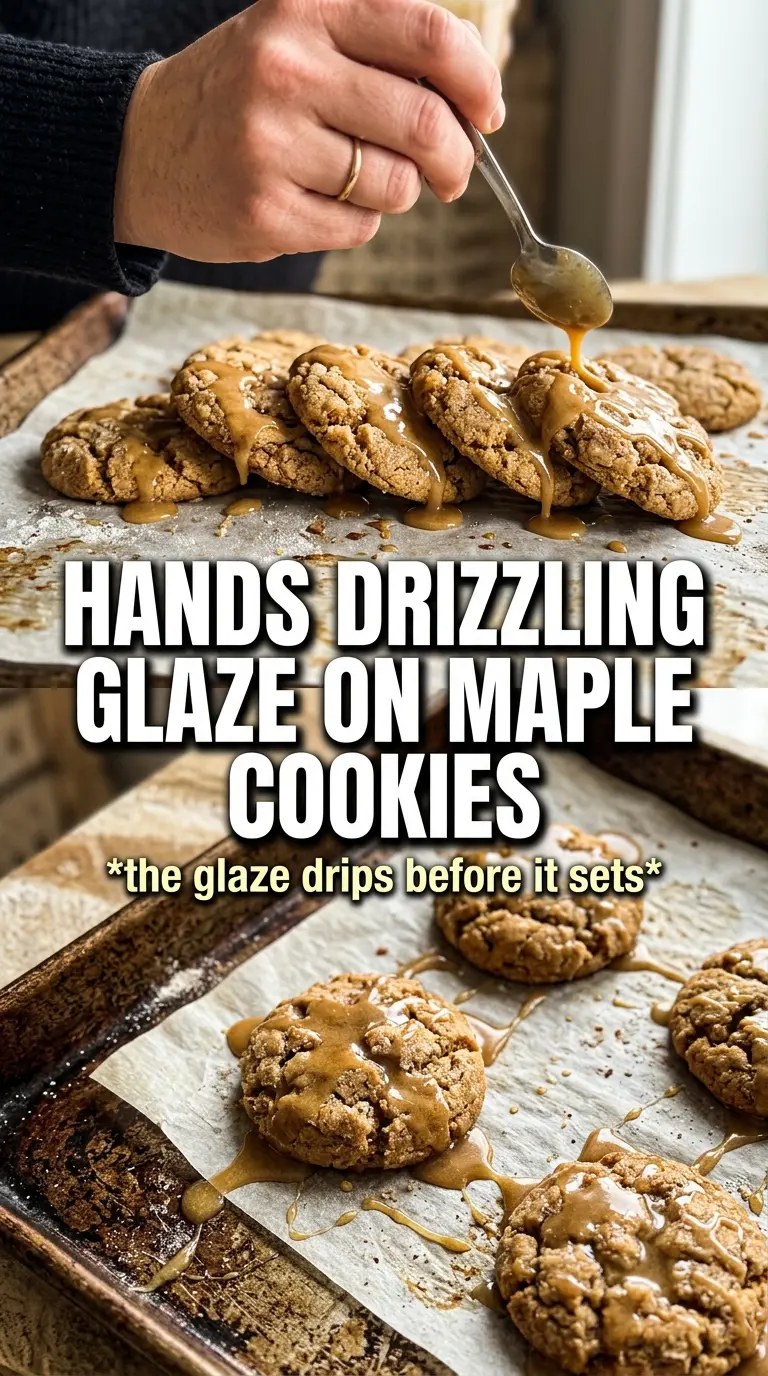
Let the cookies cool completely before drizzling on the maple glaze. Warm cookies melt the glaze into the surface instead of letting it sit in those pretty ridges. The glaze should ribbon off the spoon, not pour like milk; if it’s too thin, add more powdered sugar a spoonful at a time.
How to Make These Cookies Fit Your Kitchen
Dairy-Free Version
Use a plant-based butter that behaves like sticks of butter, not a tub spread. The cookies will still soften and brown well, though the flavor loses a little of the buttery roundness that makes the original taste so good.
Gluten-Free Swap
A cup-for-cup gluten-free flour blend is the safest swap here. The cookies may spread a little less and feel a touch more fragile when warm, but the maple glaze hides that difference nicely once they cool.
Extra-Spiced Cookies
Add a pinch more cinnamon or a little ginger if you want a sharper spice finish. Keep the total amount modest, because too much spice can crowd out the maple and make the cookies taste dusty instead of warm.
Storage and Reheating
- Refrigerator: Store in an airtight container for up to 5 days. The glaze will stay set, though the cookies soften slightly by day two.
- Freezer: Freeze the baked cookies without glaze for up to 2 months. Thaw at room temperature, then glaze after they’re fully thawed for the best finish.
- Reheating: Warm unglazed cookies for a few seconds in the microwave if you want that just-baked texture. Don’t reheat glazed cookies aggressively or the topping will melt and slide off.
Questions I Get Asked About This Recipe
Maple Pumpkin Cookies
Ingredients
Equipment
Method
- Preheat the oven to 375°F, then line baking sheets with parchment.
- Blot the pumpkin puree between paper towels until very dry so the cookies hold their shape.
- Whisk together the all-purpose flour, baking soda, pumpkin pie spice, cinnamon, and salt until evenly combined.
- Beat the softened unsalted butter and packed brown sugar until fluffy.
- Add the pure maple syrup, blotted pumpkin puree, egg yolk, vanilla, and maple extract, then beat until smooth.
- Fold the flour mixture into the wet ingredients until no dry streaks remain.
- Scoop dough into 1-1/2 tablespoon rounds and space them on the sheet pan.
- Bake for 10–12 minutes at 375°F until the edges are set and the centers look slightly underdone.
- Cool the cookies completely before glazing so the drizzle sets on top.
- Whisk powdered sugar, pure maple syrup, milk, and cinnamon until smooth, then drizzle over the cooled cookies.
- Sprinkle flaky sea salt over the glaze while it is still set for a crisp salty finish.