Pumpkin cathead biscuits bake up tall, tender, and just a little craggy on top, with a warm orange crumb that pulls apart in big soft layers. The whipped maple butter melts into the split biscuit and settles into every rough edge, which is exactly what makes these worth putting on repeat for breakfast.
What keeps this version from turning heavy is the balance of pumpkin puree and cold buttermilk. Pumpkin brings moisture and body, but it can also weigh a biscuit down if the dough gets overmixed; the buttermilk thins it just enough to keep the texture light. Cold butter matters here, too, because those little butter pockets steam in the oven and help the biscuits rise into those big cathead tops.
Below, I’ll walk you through the one place people usually go wrong with pumpkin biscuits, plus the easiest way to shape them when you want them rustic instead of perfect.
The biscuits came out tall and soft instead of dense, and the maple butter melted right into all the little nooks. I baked them in a cast iron skillet like you said and the bottoms were perfect.
Love these pumpkin cathead biscuits with whipped maple butter? Save them for the mornings when you want big, tender biscuits with a sweet cinnamon finish.
The Part That Keeps Pumpkin Biscuits From Turning Heavy
Pumpkin biscuits fail when the dough gets worked like yeast bread. Once flour meets the wet ingredients, every extra stir tightens the gluten and knocks out the tenderness you’re chasing. The dough should look shaggy and a little rough, with streaks of flour still visible right before you stop.
The cast iron skillet helps more than people think. It holds heat at the bottom, so the biscuits get a firm base before the tops set, which gives you better lift and less spread. If you try to crowd them too tightly, they’ll still bake, but they lose some of that distinct cathead shape and end up leaning into each other.
- Cold butter — Keep it cold all the way through cutting it into the flour. Those visible butter bits are what steam and create lift. If the butter softens before baking, the biscuits bake up denser.
- Pumpkin puree — Use plain pumpkin puree, not pumpkin pie filling. The filling has added sugar and spice, which throws off the seasoning and can make the biscuits too sweet.
- Buttermilk — The acid in buttermilk reacts with the baking soda and helps the biscuits rise. If you need a substitute, use milk mixed with a little lemon juice or vinegar, but the tang and texture won’t be quite the same.
- Cast iron skillet — A 10-inch skillet gives the biscuits the right amount of support and browning. A baking sheet works in a pinch, but the bottoms won’t get that same deep, even color.
What Each Ingredient Is Actually Doing in This Recipe
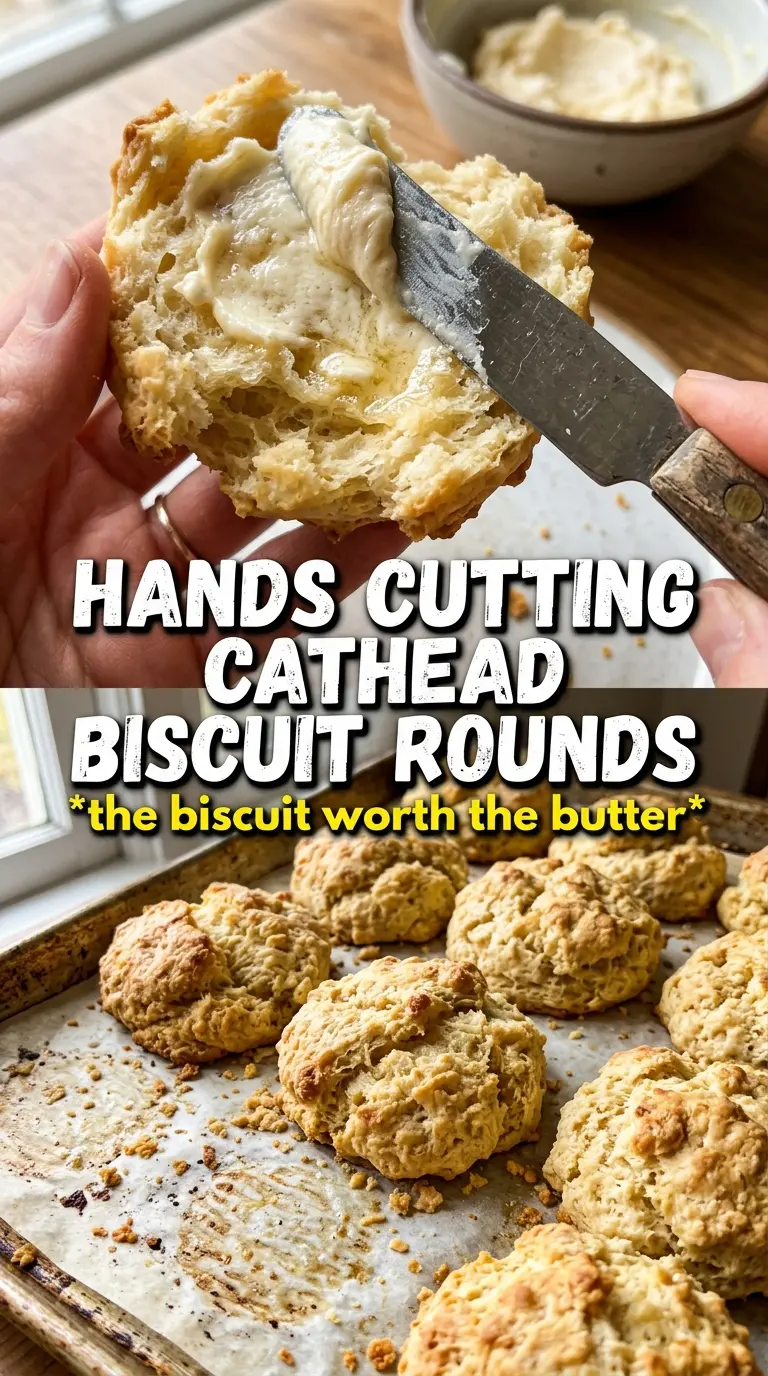
- Primary ingredient (the star) — Quality matters most. Choose the best you can find.
- Cooking medium (oil, butter, or broth) — This carries flavors and prevents dryness.
- Seasonings (salt, pepper, spices, herbs) — Layer flavors so nothing overpowers. Build depth gradually.
- Aromatics (garlic, onion, herbs) — Cook with fat to bloom flavors. Become the foundation.
- Supporting ingredients — Complement the main ingredient without overpowering it.
- Sauce or liquid (if applicable) — Brings flavors together. Balance richness with acid.
- Acid (lemon, vinegar, wine, or other) — Brightens and prevents flat-tasting results.
- Final finish (garnish, glaze, or sauce) — Prevents one-dimensional taste and adds visual appeal.
How to Shape Them So They Rise Tall Instead of Spreading Flat
Mix the Dry Ingredients First
Whisk the flour, baking powder, baking soda, cinnamon, nutmeg, salt, and sugar until everything looks evenly speckled. That step matters because pumpkin spice tends to clump in one spot if you rush it, and uneven distribution shows up as bitter bites or bland ones. You want the bowl to smell warm and balanced before the butter goes in.
Cut in the Butter Without Melting It
Work the cold butter into the flour until you have pea-sized pieces and coarse crumbs. Stop before the mixture turns sandy; a few larger bits are a good thing because they create steam pockets in the oven. If the butter starts smearing, pause and chill the bowl for a few minutes.
Bring the Dough Together Gently
Stir the pumpkin puree and buttermilk together first, then add them to the flour mixture in one go. Use a fork or spatula and stop as soon as the flour disappears. The dough should be soft and sticky enough to scoop, not kneadable, and if it feels dry, it’s better to leave it slightly rough than keep mixing until it tightens up.
Drop and Bake in Big Mounds
Scoop eight large mounds into the greased skillet, spacing them close but not jammed together. Cathead biscuits are supposed to look rustic and oversized, and that loose drop shape helps them rise instead of being compressed by a cutter. Bake until the tops are golden and the edges are set; if they still wobble in the center, give them another minute or two.
Make Them Dairy-Free
Use a plant-based butter that stays firm when cold and swap the buttermilk for unsweetened non-dairy milk mixed with 1 tablespoon lemon juice. You’ll still get tenderness, but the biscuits will be a little less rich and the maple butter won’t have quite the same dairy sweetness.
Turn Them into Plain Southern Cathead Biscuits
Leave out the pumpkin, cinnamon, and nutmeg, then add a little extra buttermilk only if the dough needs it. You’ll get a more classic biscuit with a sharper buttery flavor and a lighter color, but you lose the soft pumpkin crumb that makes this version special.
Use White Whole Wheat Flour for a Heartier Biscuit
You can swap in up to half white whole wheat flour for some of the all-purpose flour. The biscuits will be a little more rustic and less tender, but the pumpkin flavor stands up well to the nuttier edge.
Storage and Reheating
- Refrigerator: Store leftovers in an airtight container for up to 3 days. They’ll soften a little as they sit.
- Freezer: Freeze the baked biscuits without the maple butter for up to 2 months. Wrap them well so they don’t pick up freezer odor.
- Reheating: Warm in a 325°F oven until heated through. The microwave makes them rubbery, so use it only if you’re in a hurry and then split them open to let the steam escape.
Answers to the Questions Worth Asking
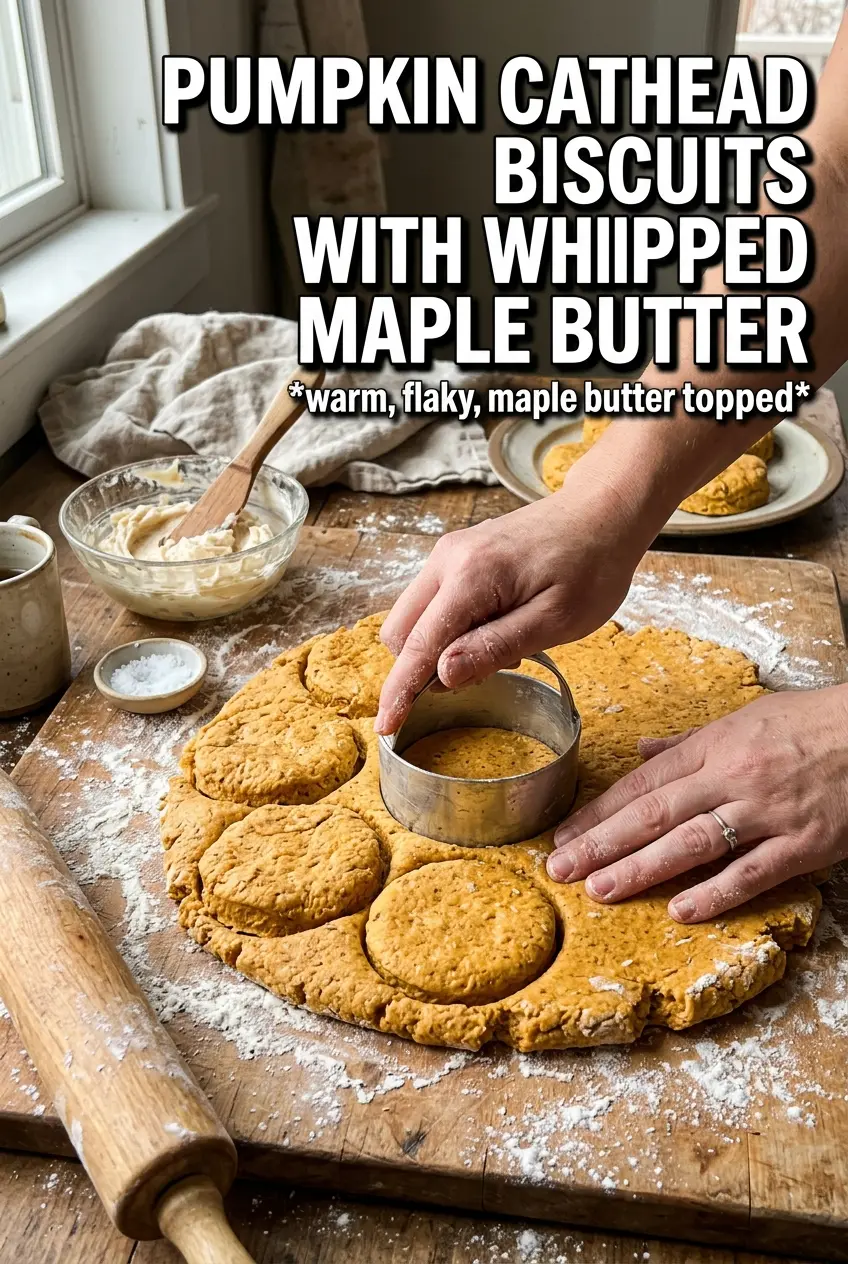
Pumpkin Cathead Biscuits With Whipped Maple Butter
Ingredients
Equipment
Method
- Preheat the oven to 425F and grease a 10-inch cast iron skillet.
- Whisk together all-purpose flour, baking powder, baking soda, cinnamon, nutmeg, salt, and sugar until evenly combined.
- Cut in cold unsalted butter until the mixture looks crumbly.
- Stir pumpkin puree and cold buttermilk together, then add to the flour mixture and stir until just combined.
- Drop 8 large mounds (about 1/3 cup each) into the skillet, spacing them for a cathead shape.
- Bake for 18-20 minutes at 425F until the biscuits are golden and well risen.
- Serve immediately with whipped maple butter while the biscuits are warm.
- Beat softened butter, maple syrup, and cinnamon until fluffy.