Pumpkin Alfredo pasta turns thick, silky, and deeply savory when the sauce is handled the right way. The pumpkin gives the cream a velvety body and a gentle sweetness, but it doesn’t taste flat or dessert-like because the garlic, parmesan, nutmeg, and sage keep everything grounded. Toasted walnuts on top add a little crunch that keeps each bite interesting.
The part that matters most is building the sauce slowly in the same pan you use for the sage and garlic. That means the butter picks up flavor, the garlic softens without browning, and the parmesan melts into a sauce that’s smooth instead of grainy. Pasta water also earns its place here — it loosens the sauce just enough to coat wide noodles without turning heavy.
Below you’ll find the timing that keeps the sage crisp, the trick for getting the sauce to cling to pappardelle, and a few smart swaps if you need to adjust the recipe for what you have on hand.
The sauce turned out silky and coated every ribbon of pasta, and the crispy sage stayed crunchy even after serving. I added a splash more pasta water at the end and it clung beautifully without feeling heavy.
Save this Pumpkin Alfredo Pasta With Sage for a creamy pasta night with crispy sage, toasted walnuts, and a sauce that clings to every noodle.
The Trick to Keeping Pumpkin Alfredo Silky Instead of Thick and Pastelike
Pumpkin puree behaves differently from a traditional cream sauce. It brings body fast, which is useful, but if you let it cook too hard or add the cheese while the pan is screaming hot, the sauce can tighten up and go grainy. The fix is calm heat. Once the pumpkin, cream, and nutmeg are in the pan, let them barely simmer so the flavors blend without reducing into glue.
The other mistake is skipping pasta water until the sauce already feels heavy. By then it takes more effort to loosen, and the pasta won’t pick up the sauce as evenly. A splash of starchy water helps the parmesan emulsify and gives the sauce that glossy finish you want on pappardelle.
- Pumpkin puree — Use plain pumpkin puree, not pumpkin pie filling. The canned version is perfect here; the goal is smooth texture and earthy sweetness, not extra spice.
- Heavy cream — This gives the sauce its lush body. Half-and-half will work in a pinch, but it won’t cling as richly and you may need less pasta water.
- Parmesan — Grate it fresh if you can. Pre-shredded cheese often has anti-caking agents that can make the sauce less smooth.
- Sage — Frying the leaves in butter turns them crisp and aromatic. If you skip this step, you lose one of the best textures in the dish.
- Walnuts — Toast them. Untoasted walnuts taste flat beside the creamy sauce, while toasted walnuts add the nutty contrast that keeps the pasta from feeling one-note.
What Each Part of the Pan Is Doing While You Build the Sauce
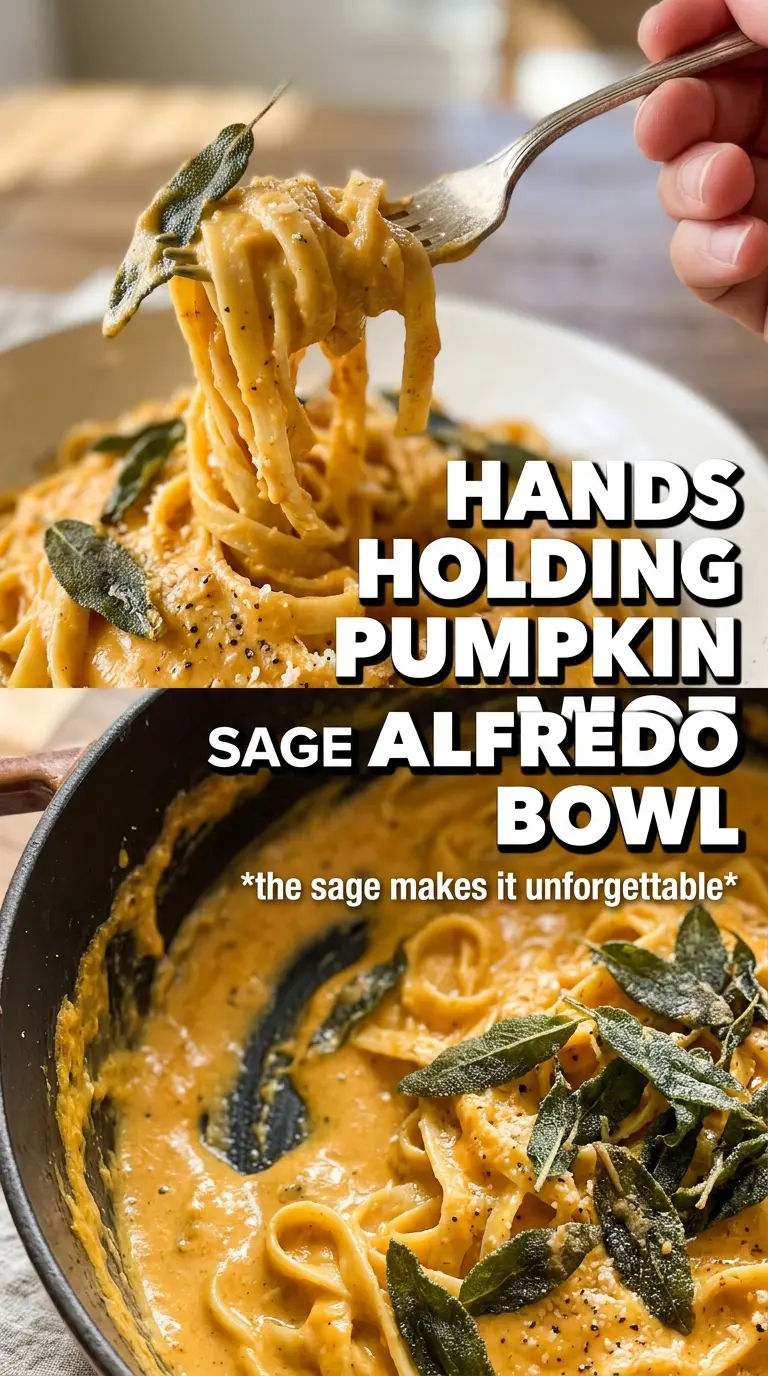
- Pappardelle or wide pasta — Wide noodles give the sauce more surface to cling to. If you use a thinner pasta, the sauce will still taste good, but the bite won’t feel as plush.
- Butter — Half of it fries the sage, and the rest becomes the base for the garlic and pumpkin. That layered use gives the dish a deeper, rounder taste than if you melted everything at once.
- Garlic — Cook it just until fragrant. If it browns, it turns sharp and can overpower the sweetness of the pumpkin.
- Nutmeg — A small amount is enough. It doesn’t make the dish taste spiced; it makes the cream and pumpkin taste warmer and more complete.
- Pasta water — This is the adjustment knob. Add it a little at a time so the sauce loosens just enough to coat the pasta without pooling in the bowl.
Building the Sauce, Frying the Sage, and Finishing at the Right Moment
Crisping the Sage First
Start by frying the sage leaves in butter until they darken slightly and feel fragile when lifted from the pan. They should sizzle, not scorch. Pull them out as soon as they crisp because they keep cooking on the plate, and burnt sage goes bitter fast. Leave the butter in the pan; it carries the flavor you want for the sauce.
Softening the Garlic Without Browning It
Add the remaining butter and garlic to the same pan and stir just until the garlic smells sweet and fresh. The minute it starts taking on color, it can turn harsh, so keep the heat moderate and move quickly. This step sets the foundation for the sauce, and bitter garlic is hard to hide once the pumpkin goes in.
Letting the Pumpkin and Cream Merge
Stir in the pumpkin puree, cream, and nutmeg, then let the mixture simmer gently for about four minutes. You want it slightly thickened and smooth, with small lazy bubbles around the edge of the pan. If it starts boiling hard, lower the heat right away; high heat can make the sauce separate later when the cheese goes in.
Finishing with Parmesan and Pasta Water
Take the pan down to low heat and stir in the parmesan a handful at a time. When it melts in, add the cooked pasta and a splash of pasta water, tossing until the sauce coats every piece. If it looks stiff, add more water in small splashes. The finished sauce should shine and move like cream, not sit in a heavy mound.
Make It Dairy-Free Without Losing the Creamy Texture
Use full-fat canned coconut milk or an unsweetened oat cooking cream in place of the heavy cream, and swap in a dairy-free parmesan that melts well. The sauce will be a little lighter and less sharp, but the pumpkin still gives it plenty of body. Keep the heat low so the alternative cream doesn’t split.
Gluten-Free Pasta That Still Holds the Sauce
Use a sturdy gluten-free pasta made from rice, corn, or a blend that keeps some chew. Cook it just shy of fully tender, because gluten-free noodles can go soft quickly once they sit in the sauce. Reserve extra pasta water if your brand tends to absorb more than wheat pasta.
Skip the Walnuts if You Need a Nut-Free Finish
Leave the walnuts off and finish with extra parmesan and a few more crispy sage leaves. You lose the toasty crunch, but the dish still feels balanced if you keep the topping generous. Pepitas work too if seeds are safe for your kitchen and you want that same textural contrast.
Add Protein Without Overpowering the Sauce
Roasted chicken, crispy pancetta, or browned Italian sausage all work here. Keep the portion moderate so the sauce stays the star; this pasta is at its best when the pumpkin and sage still come through on the first bite. Stir cooked protein in at the end so it stays juicy.
Storage and Reheating
- Refrigerator: Store in an airtight container for up to 3 days. The sauce will thicken as it chills.
- Freezer: It can be frozen, but the cream sauce may separate a little when thawed. Freeze in portions and expect a slightly less silky texture after reheating.
- Reheating: Warm gently on the stove over low heat with a splash of milk, cream, or water. Stir often and don’t blast it in the microwave on high, or the parmesan can tighten and turn grainy.
Answers to the Questions Worth Asking
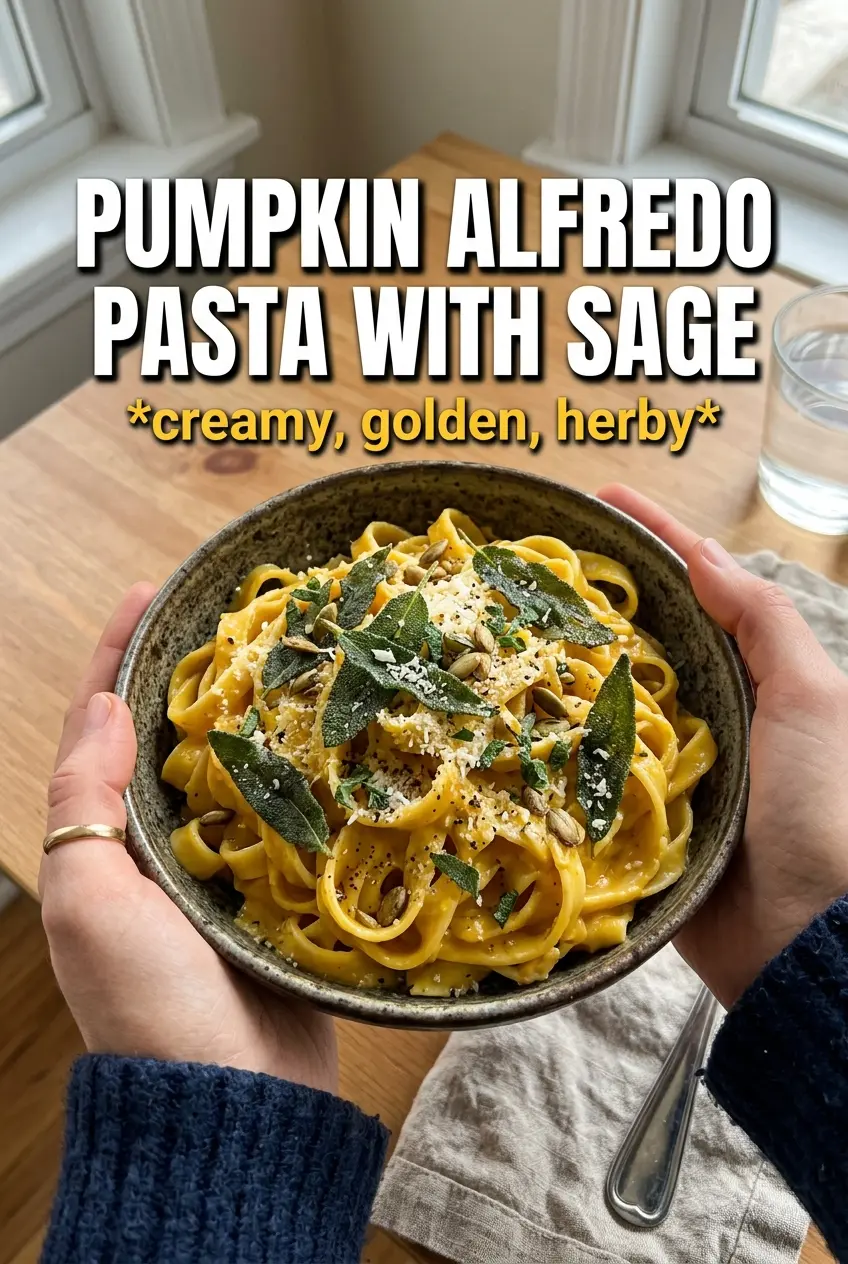
Pumpkin Alfredo Pasta With Sage
Ingredients
Equipment
Method
- Bring a pot of salted water to a boil and cook pappardelle until al dente. Reserve 1 cup pasta water before draining.
- Melt 2 tablespoons butter in a cast iron skillet over medium heat and fry sage leaves until crispy, about 1 to 2 minutes. Remove the crispy sage to a plate.
- In the same pan, add the remaining butter and sauté minced garlic until fragrant, about 30 to 60 seconds. Add pumpkin puree, heavy cream, and nutmeg, then simmer until slightly thickened for 4 minutes.
- Stir in grated parmesan until melted and smooth. Add drained pasta and toss, adding reserved pasta water as needed to create a silky coating.
- Season with salt and pepper to taste. Serve topped with crispy sage, toasted walnuts, and extra parmesan.