Pumpkin hummus brings a softer, creamier kind of richness than classic hummus, with the chickpeas still doing the heavy lifting and the pumpkin adding a velvety, slightly sweet base that plays beautifully with tahini and lemon. The texture lands somewhere between dip and spread, smooth enough to swoop with pita but substantial enough to sit proudly in a bowl with a well of olive oil on top.
What makes this version work is balance. Pumpkin puree can taste flat if it isn’t backed up with enough acid, garlic, and spice, so the lemon juice and cumin keep it from drifting into pie filling territory. I also like blending the chickpeas with tahini and lemon first before adding the pumpkin, because that gives the dip a head start on getting creamy instead of grainy.
Below, I’ve included the little details that matter most: how to keep the hummus light instead of pasty, which ingredient you can swap without losing the character of the dish, and how to adjust the seasoning if your pumpkin puree tastes a little dull straight from the can.
The pumpkin flavor stayed balanced, and the aquafaba made it whipped and fluffy instead of thick and gluey. I served it with warm pita and the bowl was scraped clean.
Save this pumpkin hummus for a creamy, smoky dip that works with pita, carrots, and any snack board.
The Trick to Keeping Pumpkin Hummus Creamy, Not Pasty
Pumpkin puree changes the texture fast. Add too much before the chickpeas are fully broken down and you get a dip that tastes fine but feels heavy and a little muddy. The smoother approach is to let the chickpeas, tahini, and lemon juice work together first, because that’s the part that creates the silky base you want.
The other thing that matters is water content. Pumpkin puree brings body, but it doesn’t bring the looseness hummus needs to feel light on the tongue, which is why the aquafaba at the end is worth using. If your hummus seems thick right out of the blender, keep going with small splashes of chickpea liquid until it turns glossy and spreadable.
What Each Ingredient Is Actually Doing in This Dip
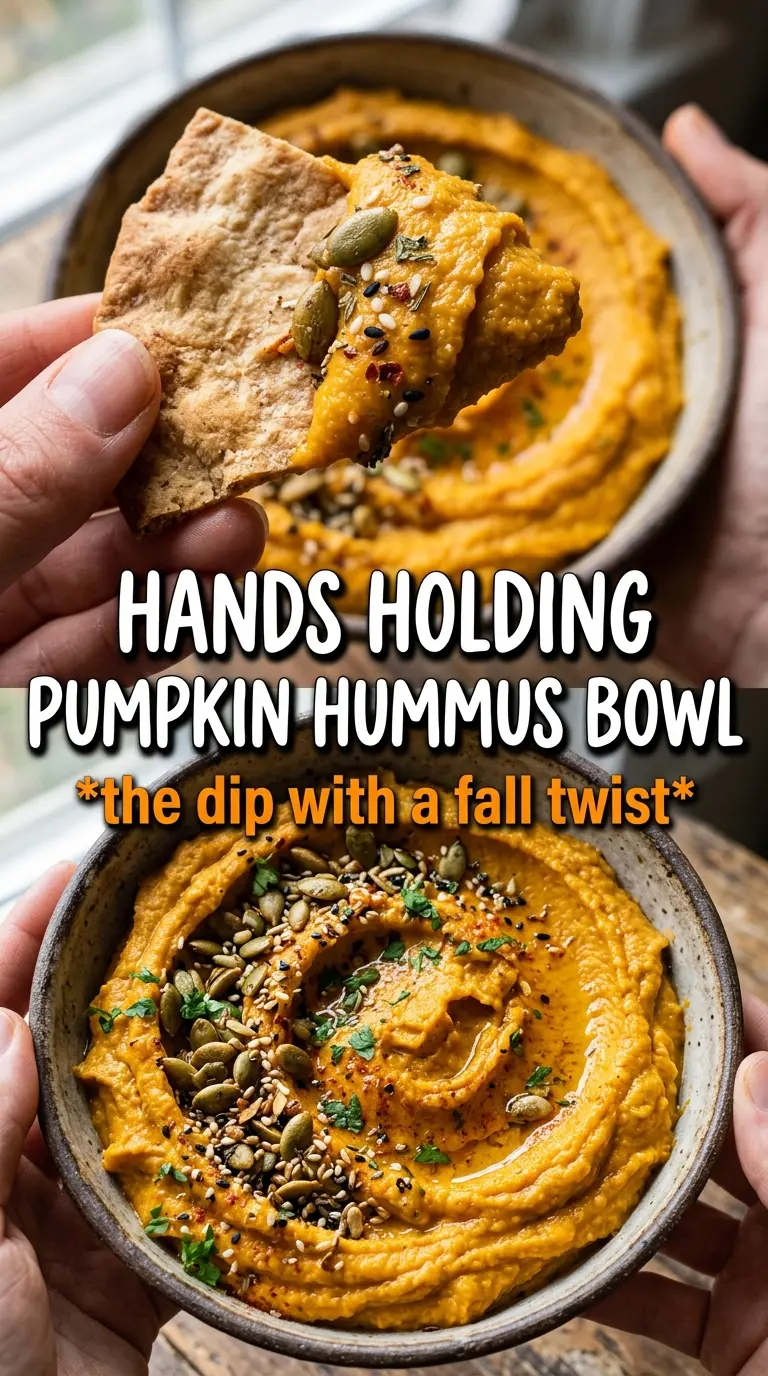
- Chickpeas — These give the hummus its structure and protein-rich body. Canned chickpeas work perfectly here, and the reserved liquid from the can is the easiest way to loosen the dip without watering it down.
- Pumpkin puree — Use plain pumpkin puree, not pumpkin pie filling. Pie filling already has sugar and spice mixed in, which throws off the savory balance and makes the dip taste odd fast.
- Tahini — This is what gives hummus its nutty depth and helps it emulsify into something smooth. Cheap tahini can be bitter, so if yours tastes harsh, add a touch more lemon juice and blend longer before deciding it’s a lost cause.
- Lemon juice — Pumpkin needs acid or it reads flat. Fresh lemon juice brightens the whole bowl and keeps the spices from tasting dusty.
- Garlic — Two cloves give enough bite to wake up the pumpkin without taking over. If your garlic is especially sharp, start with one clove and taste after blending.
- Cumin, smoked paprika, and pumpkin pie spice — Cumin and smoked paprika keep the dip savory and grounded, while the small amount of pumpkin pie spice nudges the pumpkin flavor forward without turning the whole thing sweet. Don’t skip the smoked paprika; it adds a subtle warmth that makes the top of the bowl taste finished.
Building the Smoothest Bowl of Pumpkin Hummus
Start with the Chickpea Base
Add the chickpeas, tahini, and lemon juice to the blender or food processor first and let them run for a full minute. This is where the texture starts to turn creamy, and it works better before the pumpkin goes in because the chickpeas need time to break down. If the mixture looks thick and slightly crumbly at this stage, don’t panic; that’s normal and the pumpkin hasn’t joined the party yet.
Blend in the Pumpkin and Spices
Add the pumpkin puree, garlic, olive oil, cumin, smoked paprika, pumpkin pie spice, and salt, then blend for 2 to 3 minutes until the mixture looks smooth and fluffy. Stop once or twice to scrape down the sides, because pumpkin likes to cling to the bowl and hide unmixed pockets of spice. If it tastes flat, the fix is usually more lemon or a pinch more salt, not more pumpkin pie spice.
Loosen It to the Right Consistency
Add aquafaba one tablespoon at a time and blend after each addition. The goal is a dip that holds soft ridges when you drag a spoon through it, not something stiff enough to stand in a mound. If you overshoot and make it too loose, let it sit for a few minutes; hummus thickens slightly as it rests.
Finish the Bowl Like You Mean It
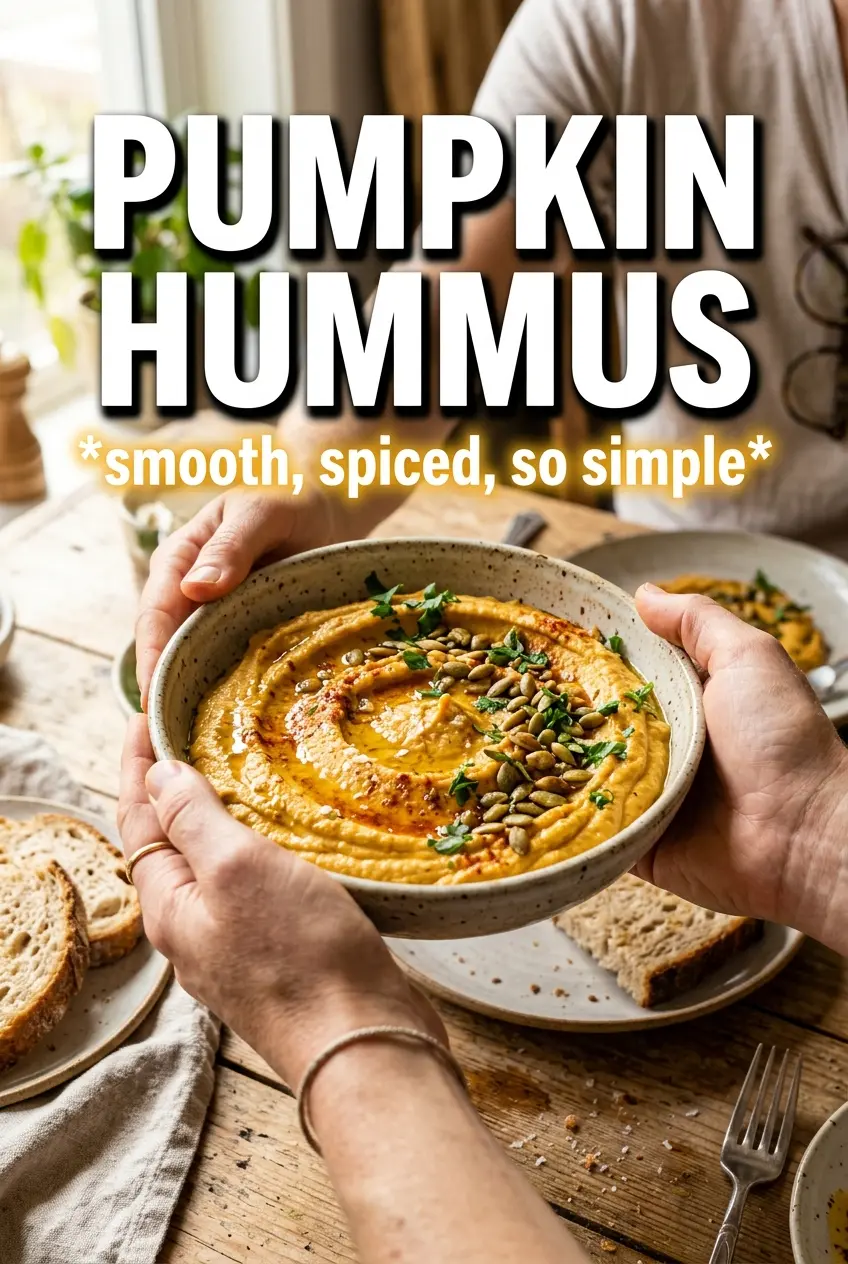
Spoon the hummus into a shallow bowl and use the back of a spoon to make a well in the center. That little crater catches the olive oil and keeps the toppings from sliding off. A pinch of smoked paprika, a scatter of pumpkin seeds, and a few leaves of parsley make it look finished and add a better mix of texture in each bite.
Three Ways to Put Your Own Spin on Pumpkin Hummus
Make It Dairy-Free and Naturally Gluten-Free
This recipe already fits both needs as written, which is part of why it works so well as a snack board dip. Just serve it with gluten-free pita or sturdy vegetables, and you’ve got the same creamy result without changing a thing.
Make It More Savory and Less Sweet
If your pumpkin puree leans sweet, add an extra squeeze of lemon and a pinch more salt before reaching for more spice. That sharpens the edges and brings the dip back into hummus territory instead of letting the pumpkin take over.
Swap the Chickpeas for White Beans
Cannellini beans make a softer, milder dip if that’s what you have on hand. The texture stays creamy, but the flavor gets a little less earthy and a little more neutral, so you may want a touch more cumin to keep the balance in place.
Use It as a Spread Instead of a Dip
Hold back a little of the aquafaba if you want a thicker texture for sandwiches or wraps. The hummus will spread cleaner and stay put under roasted vegetables, sliced turkey, or crisp greens.
Storage and Reheating
- Refrigerator: Keeps well for 4 to 5 days in a sealed container. The top may firm up a little, which is normal.
- Freezer: It freezes, but the texture gets a bit looser after thawing. Freeze in a tight container with a thin layer of olive oil on top, then thaw in the fridge and stir well before serving.
- Reheating: This is best served cold or at room temperature. If it feels too thick after chilling, stir in a teaspoon or two of olive oil or aquafaba instead of heating it, which can make the texture grainy.
Answers to the Questions Worth Asking
Pumpkin Hummus
Ingredients
Equipment
Method
- In a stand mixer, blend chickpeas, tahini, and lemon juice for 1 minute until as smooth as possible, scraping down the sides if needed. The mixture should look pale and creamy with no visible bean bits.
- Add pumpkin puree, garlic, olive oil, cumin, smoked paprika, pumpkin pie spice, and salt, then blend for 2-3 minutes until very smooth and creamy. Pause once to check for any grainy texture and blend again if needed.
- With the mixer running, add chickpea liquid (aquafaba) 1 tablespoon at a time until you reach your desired consistency. Stop when the hummus looks thick but spreadable, or lighter and fluffier if you prefer.
- Taste and adjust seasoning by adding a little more salt or lemon juice if needed. Aim for bright lemon flavor and warm spice balance.
- Spread the hummus into a bowl and create a well in the center. Smooth the top so the center depression holds the topping.
- Drizzle olive oil into the well, then scatter pumpkin seeds and smoked paprika over the surface. Finish with fresh parsley so the top has both color and crunch.
- Serve immediately with pita and vegetables like carrots, celery, and cucumbers for dipping. The hummus should be creamy and cohesive against the crunchy crudités.