These pumpkin oat cookies bake up soft in the center with crisp edges, chewy oats, and just enough spice to taste like fall without turning cakey. The oats give them substance, the pumpkin keeps them tender, and the cinnamon sugar on top finishes them with a light crackle that makes the first bite especially good.
Blotted pumpkin puree is the difference-maker here. Too much moisture and these cookies spread less, bake up bready, and lose that gentle chew, so taking a minute to press out the extra liquid pays off fast. Creaming the butter with both sugars gives the cookies their edge and helps the centers stay soft instead of dense.
Below, you’ll find the small details that matter most: how dry the pumpkin should be, why old-fashioned oats work better than quick oats, and the simple cue that tells you when to pull them from the oven.
The pumpkin flavor came through without making the cookies cakey, and the cinnamon sugar on top gave them the best little crunch at the edges. I used dried cranberries and they were gone before they cooled.
Like these pumpkin oat cookies? Save them to Pinterest for chewy cookie days when you want warm spice, golden edges, and an easy batch with pantry ingredients.
The Reason These Cookies Stay Soft Instead of Getting Cakey
Pumpkin is tricky in cookies because it brings flavor and moisture at the same time. If you add it straight from the can, the dough can turn too wet and the cookies bake up puffy and soft in the wrong way, with little structure and muted edges. Blotting the puree first keeps the dough balanced, so the oats still stand out and the cookies keep that chewy, hearty bite.
Old-fashioned rolled oats matter here. Quick oats break down faster and make the texture tighter and pastier, while rolled oats stay visible and give each cookie a better chew. The other thing that helps is baking them just until the edges set and the tops lose their raw shine. Pull them too late and you lose the soft center that makes these worth repeating.
What Each Ingredient Is Actually Doing Here
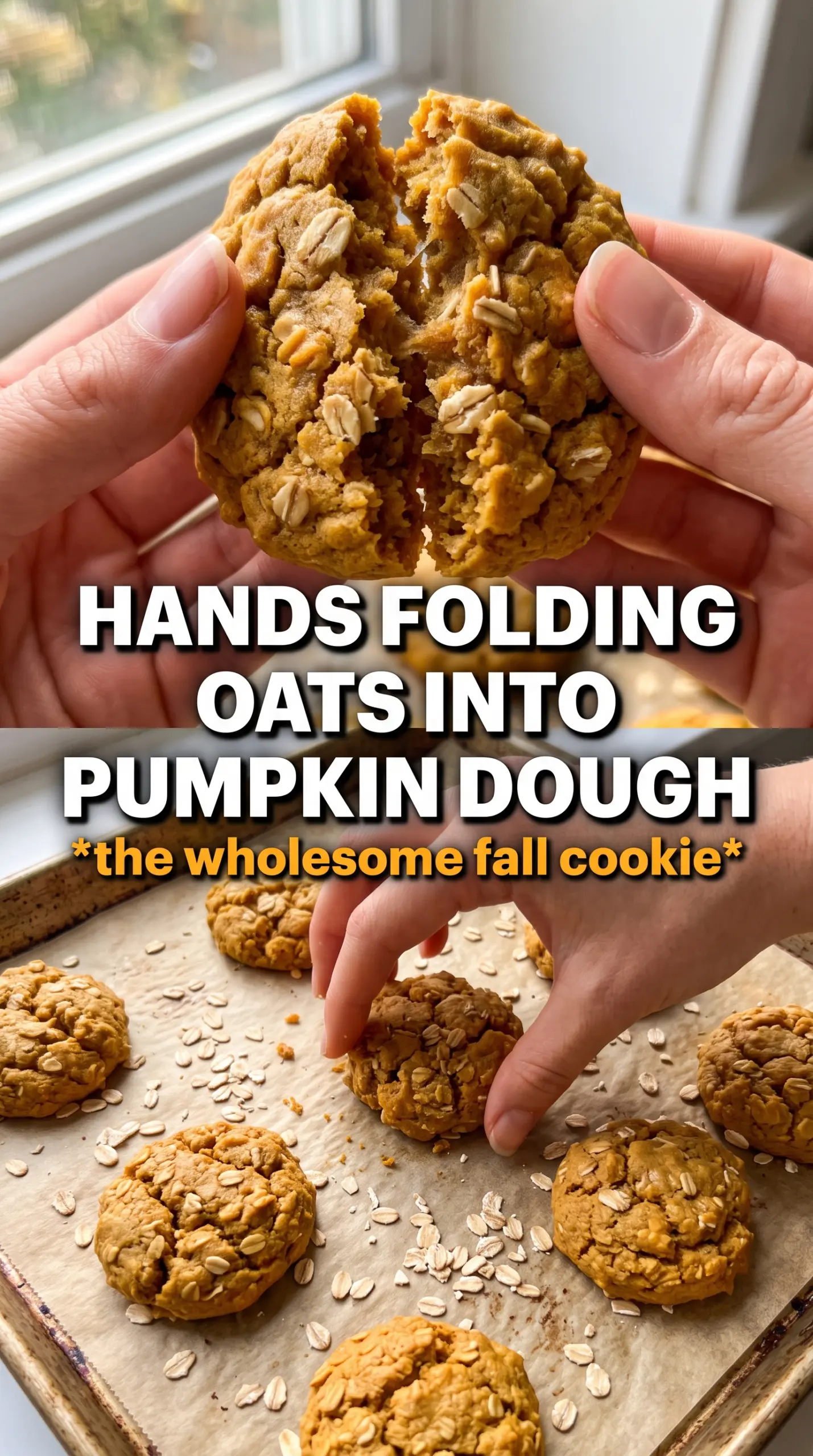
- Blotted pumpkin puree — This brings the pumpkin flavor without flooding the dough. If it looks wet on the paper towel, keep blotting; that step keeps the cookies from spreading poorly or baking up gummy in the middle.
- Old-fashioned rolled oats — These hold their shape and give the cookies their chewy texture. Quick oats soften too much and take away the rustic, hearty bite.
- Brown sugar — This adds moisture and a deeper caramel note that pairs well with pumpkin spice. It also helps the centers stay tender after baking.
- Butter — Softened butter creams with the sugars and creates the structure that helps the cookies spread in a controlled way. If the butter is melted, the dough gets loose and the cookies flatten too much.
- Raisins or dried cranberries — These are optional, but they add little bursts of sweetness and a little chew. Cranberries lean brighter and tangier; raisins taste softer and more classic.
- Cinnamon sugar topping — This is more than garnish. It gives the tops a lightly crisp finish and makes the spice flavor read right away when the cookies come out of the oven.
Building the Dough So the Oats Stay Chewy
Whisk the dry ingredients first
Combine the flour, baking soda, pumpkin pie spice, cinnamon, and salt before anything else. That keeps the leavening and spice evenly distributed, so you don’t get one bite that tastes flat and another that tastes too salty or too spicy. If you skip this step, the baking soda can streak through the dough and create uneven texture.
Cream the butter and sugars until light
Beat the softened butter with both sugars until it looks paler and a little fluffy. That stage traps air, which helps the cookies bake with a tender center instead of a heavy, dense crumb. If the butter is too cold, the mixture stays grainy; if it’s too warm, the dough gets greasy and spreads too fast.
Fold in the oats at the end
Once the flour mixture goes in, stop mixing as soon as the last dry streaks disappear, then fold in the oats and raisins if you’re using them. Overmixing after the flour goes in can tighten the dough and make the cookies tougher. The finished dough should look thick and scoopable, not wet or glossy.
Bake until the edges set
Scoop the dough in 2-tablespoon portions and sprinkle cinnamon sugar over the tops before baking. The cookies are done when the edges look golden and the centers still appear a little soft; they’ll finish setting on the hot pan. If you wait until the centers look completely firm in the oven, they’ll come out dry once they cool.
How to Adapt These Cookies Without Losing the Texture
Gluten-Free Version
Use a good 1:1 gluten-free baking flour in place of the all-purpose flour. The oats already give these cookies a hearty texture, so the swap works well as long as the flour blend includes xanthan gum or another binder to help the dough hold together.
Dairy-Free Version
Replace the butter with a plant-based butter that’s meant for baking. Avoid soft tub spreads if you can; they can contain more water and make the cookies spread unevenly. The flavor stays close, but the edges may brown a little faster.
No Raisins, More Spice
Leave out the dried fruit and add an extra pinch of cinnamon or pumpkin pie spice if you want a stronger spice note. The cookies will taste a little less chewy in the fruity pockets, but the texture stays excellent because the oats carry the bulk of the bite.
Storage and Reheating
- Refrigerator: Store in an airtight container for up to 5 days. The cookies soften a little as they sit, but the flavor deepens.
- Freezer: Freeze baked cookies for up to 2 months, or freeze scooped dough balls and bake from frozen with an extra minute or two.
- Reheating: Warm cookies in a 300F oven for 3 to 5 minutes. Microwave heat makes them soft in a gummy way, while the oven brings back the edges.
Questions I Get Asked About This Recipe
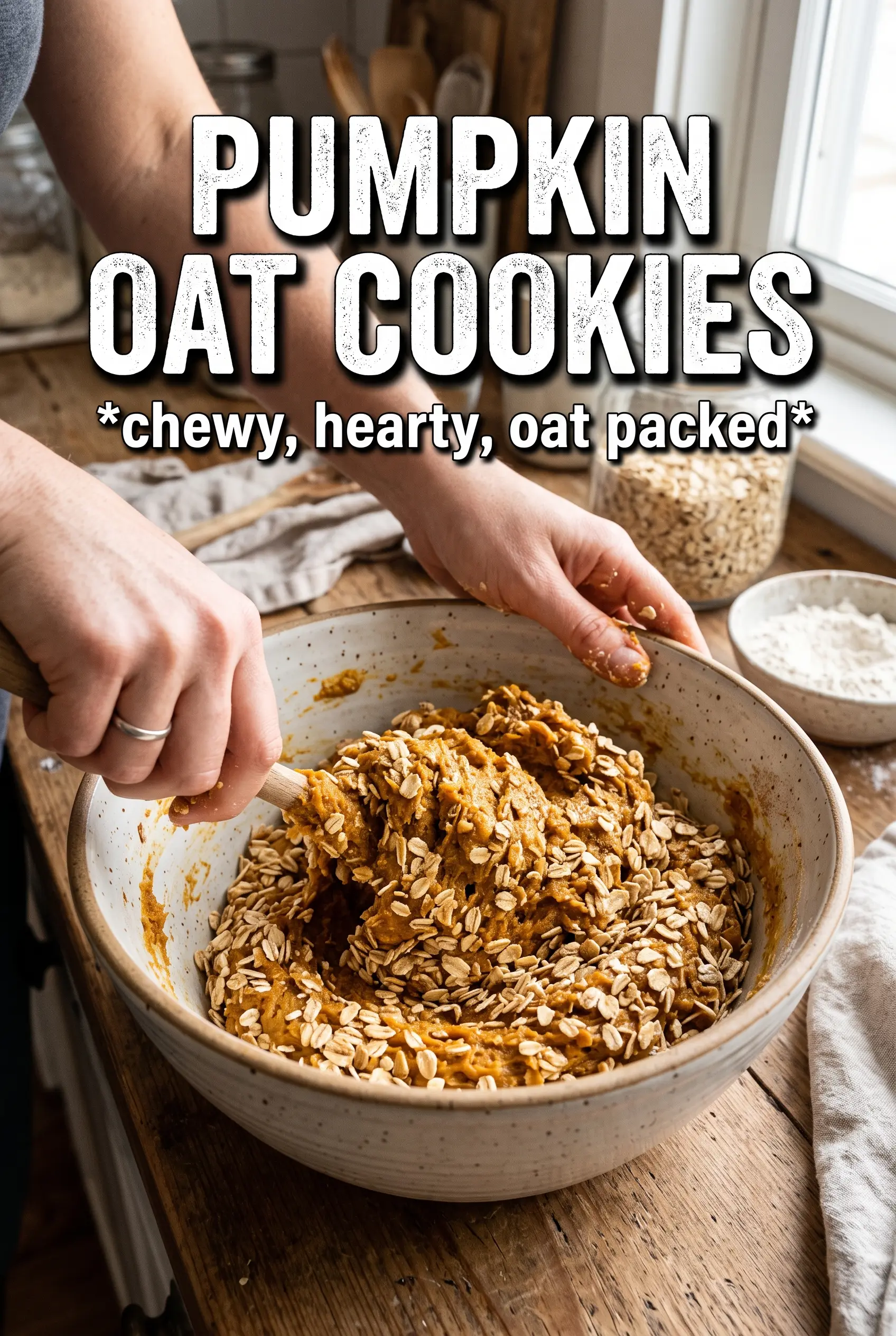
Pumpkin Oat Cookies
Ingredients
Equipment
Method
- Preheat the oven to 375F and line baking sheets.
- Blot the pumpkin puree dry, then whisk together the flour, baking soda, pumpkin pie spice, cinnamon, and salt.
- Beat the softened butter with both sugars until combined, then beat in the blotted pumpkin, egg, and vanilla.
- Fold in the flour mixture and rolled oats until just incorporated, then fold in the raisins or dried cranberries if using.
- Scoop the dough into 2-tablespoon rounds and place on the lined baking sheets, leaving space between cookies.
- Sprinkle cinnamon sugar over the tops of each cookie before baking.
- Bake at 375F for 10-12 minutes until the cookies are golden at the edges.
- Cool the cookies on the pan for 5 minutes, then transfer to a rack to cool further.