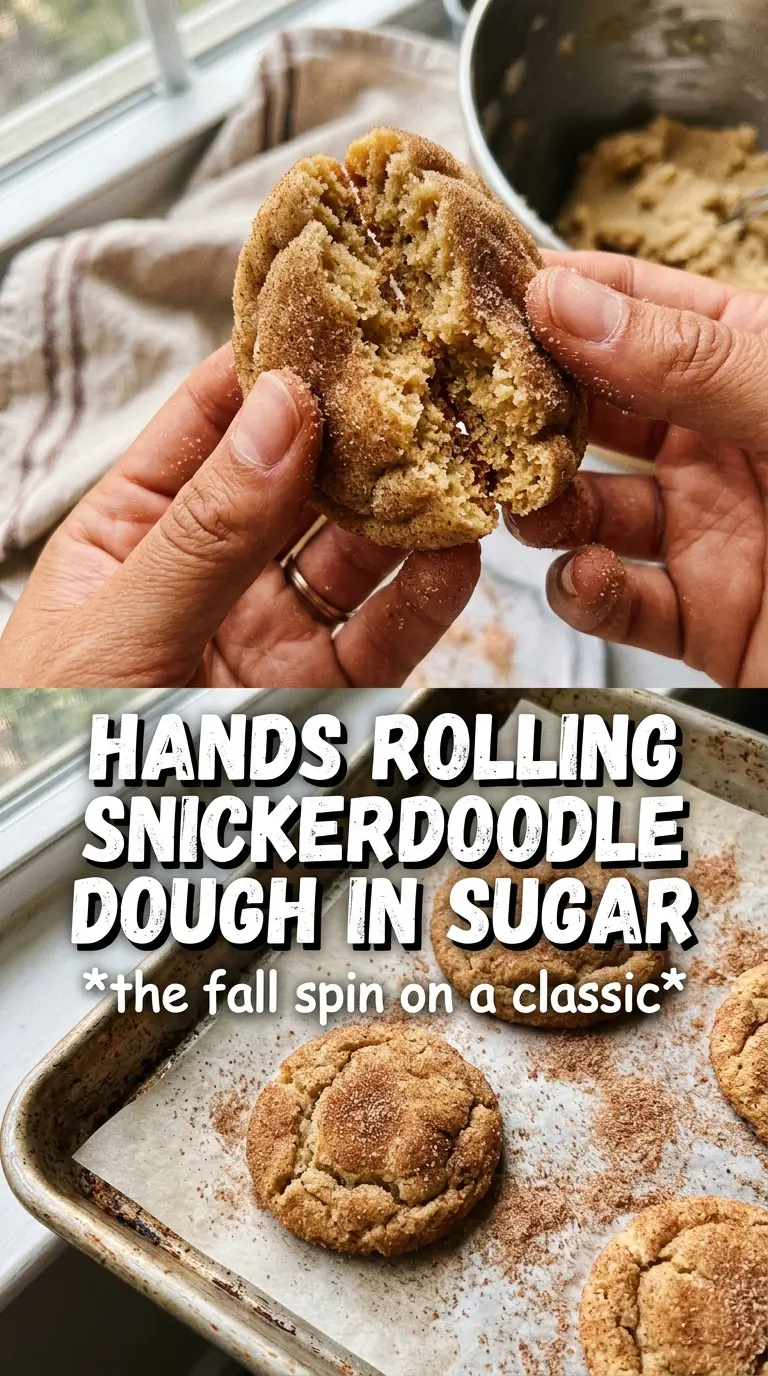
Soft pumpkin snickerdoodles bake up with crinkled tops, caramelized edges, and that classic cinnamon-sugar shell that cracks just enough when you bite in. The centers stay tender and pillowy instead of turning cakey, and the pumpkin brings a warm color and gentle depth without taking over the cookie.
The trick is drying the pumpkin before it ever touches the bowl. Pumpkin puree carries a lot of water, and if you skip that step, the cookies spread less, bake up puffy, and lose the crisp-edged, chewy texture that makes a snickerdoodle worth making. Cream of tartar keeps the flavor sharp and classic, while the butter and sugar need enough air whipped into them to help the cookies lift and crack properly in the oven.
Below you’ll find the one step that matters most, the ingredient that keeps the dough from going soft, and a few practical ways to adapt the batch if you want to change the spice level or store them for later.
The pumpkin flavor came through without making the cookies cakey, and the cinnamon sugar stayed crisp on the outside even the next day.
Save these pumpkin snickerdoodles for the bake where you want soft centers, crinkled tops, and a thick cinnamon-sugar coating.
The Pumpkin That Makes or Breaks the Crinkle
Pumpkin snickerdoodles fail for one simple reason: too much moisture. Pumpkin puree looks harmless, but even a few extra spoonfuls of liquid can push these cookies into a soft, bready texture with less spread and fewer of those signature cracks on top. Blotting the pumpkin until it looks thick and almost paste-like keeps the dough in the range where the butter can do its job.
That also explains why the dough should be mixed just until the flour disappears. Overmixing after the flour goes in develops too much structure, and these cookies need enough tenderness to stay soft in the center. The edges set first, the tops wrinkle, and the middle should still look slightly underdone when they come out of the oven.
What Each Ingredient Is Actually Doing in the Dough
- Blotted pumpkin puree — This gives the cookies their warm color and subtle pumpkin flavor, but only when it’s dried first. Wet pumpkin makes the dough loose and the cookies cakey, so press it between paper towels until the puree holds together instead of smearing.
- Cream of tartar — This is what keeps the flavor in snickerdoodle territory. It adds that familiar tang and helps the cookies rise in a way that gives you soft centers and cracked tops instead of plain sugar cookies.
- Butter and sugar — Beat them until the mixture looks fluffy and lighter in color. That step traps air, which helps the cookies spread properly and keeps the texture tender instead of dense.
- Cinnamon, nutmeg, and allspice — The dough needs more than cinnamon alone to taste rounded. The nutmeg and allspice don’t read as separate spices in the finished cookie; they just make the pumpkin taste fuller and warmer.
- Rolling sugar with cinnamon and pumpkin pie spice — This outer coating does more than add sweetness. It bakes into that crackly shell and gives the cookies their classic snickerdoodle look, especially around the edges where the sugar caramelizes first.
Building the Dough So the Cookies Stay Soft, Not Puffy
Dry the Pumpkin Before Anything Else
Start by blotting the pumpkin puree on paper towels until most of the visible moisture is gone. It should feel thick, not wet, when you pick it up with a spoon. If you skip this, the dough loosens during baking and the cookies set up more like cake than snickerdoodles.
Whip the Butter and Sugar Until Fluffy
Beat the butter and sugar until the mixture looks pale and airy, not just combined. This is the base of the texture, and under-creamed butter gives you flat cookies with less crackle. Once the egg, pumpkin, and vanilla go in, mix only until smooth.
Roll Generously in the Cinnamon Sugar
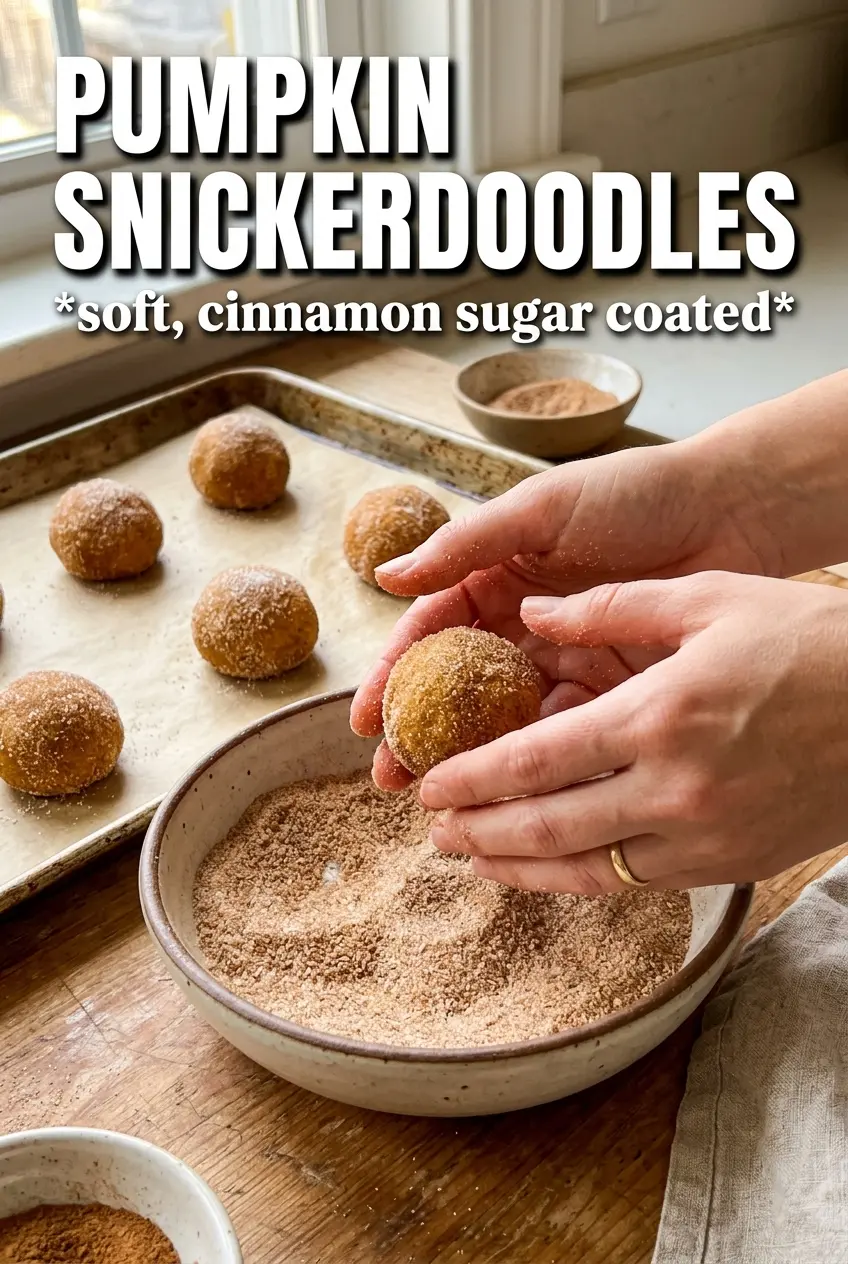
Scoop 1 1/2 tablespoon portions and roll them heavily in the spice sugar so the outside is fully coated. That coating helps the tops crack and gives the finished cookies their rough, sugared surface. If the dough feels sticky, chill it briefly rather than adding more flour, which makes the cookies dry.
Bake Until the Centers Still Look Soft
Bake at 375°F until the edges are set and lightly golden, but the centers still look a little underbaked. They finish on the hot pan after coming out of the oven, and pulling them too late is the fastest way to lose the soft middle. Let them sit for a few minutes before moving them so they firm up without breaking.
Three Ways to Adjust the Batch Without Losing the Texture
Gluten-Free Swap
Use a good 1:1 gluten-free baking flour in place of the all-purpose flour. The texture will still be soft and chewy, but the cookies may spread a little less, so flatten the dough balls just slightly before baking if they look too domed.
Dairy-Free Version
Swap in a stick-style dairy-free butter with a neutral flavor. Avoid soft tub spreads, which carry more water and can make the dough spread unevenly. The cookies will still crack and brown well if the fat content is close to real butter.
Extra-Spiced Version
If you want a stronger spice note, add an extra 1/4 teaspoon cinnamon to the dough and another pinch of pumpkin pie spice to the rolling sugar. Keep the balance subtle; too much spice can crowd out the buttery snickerdoodle flavor that makes these cookies taste right.
Storage and Reheating
- Refrigerator: Store in an airtight container for up to 5 days. The sugar coating softens a little after the first day, but the cookies stay tender.
- Freezer: Freeze baked cookies for up to 2 months, or freeze the dough balls after rolling in sugar and bake from frozen with 1 to 2 extra minutes.
- Reheating: Warm baked cookies in a 300°F oven for 3 to 4 minutes. Microwaving makes them soft in a flat, damp way, which flattens the crinkled edges.
Answers to the Questions Worth Asking
Pumpkin Snickerdoodles
Ingredients
Equipment
Method
- Preheat the oven to 375°F and line baking sheets with parchment or nonstick liner.
- Blot the pumpkin puree thoroughly on paper towels; excess moisture is the enemy of crinkled snickerdoodles.
- Whisk together the all-purpose flour, cream of tartar, baking soda, cinnamon, nutmeg, allspice, and salt.
- Beat the softened unsalted butter and granulated sugar until very fluffy.
- Add the egg, blotted pumpkin puree, and vanilla extract and beat until combined.
- Fold the flour mixture into the wet ingredients until no dry streaks remain.
- Mix the rolling spices—sugar, cinnamon, and pumpkin pie spice—in a shallow bowl.
- Scoop 1-1/2 tablespoon dough balls, then roll generously in the cinnamon-spice sugar until well coated.
- Bake at 375°F for 10-12 minutes until the cookies are crinkled with set edges but soft centers.