Crispy-edged chicken coated in a glossy, dark sauce is the whole reason Mongolian chicken keeps showing up on weeknight dinner lists. The chicken stays tender because it gets a cornstarch coating before it hits the pan, which gives it a light crust and helps the sauce cling instead of sliding off. The sauce turns sticky and lacquered, with just enough ginger, garlic, and brown sugar to taste bold without becoming heavy.
This version works because each part is handled in the right order. The chicken browns first, the aromatics go into the same pan so they pick up the browned bits, and the sauce gets a quick cornstarch slurry at the end instead of simmering forever. That keeps the glaze glossy instead of dull and prevents the chicken from overcooking while it waits on the sauce to thicken.
Below, I’ve included the small details that make the difference between a saucy chicken stir-fry and the takeout-style version people actually go back for. The char on the green onions matters, and so does the heat level in the pan.
The chicken got that crisp edge I usually only get from takeout, and the sauce thickened up fast without turning gummy. I added the green onions at the end like you suggested, and they stayed bright with just a little char. My husband went back for seconds before I even sat down.
Save this Mongolian Chicken for the nights when you want sticky, glossy takeout-style chicken over rice in under 30 minutes.
The Trick to Crisp Chicken in a Sticky Sauce
The mistake most people make with Mongolian chicken is crowding the pan and waiting too long to move the chicken. If the pieces sit in a damp pile, the coating softens before it has a chance to turn crisp, and the sauce never gets that deep, glossy cling. High heat and enough space are what give you those browned edges that stand up to the sauce.
The other thing that matters is timing. The sauce should be mixed before the chicken finishes cooking so it can go in right away, but the cornstarch slurry gets added only after the liquid is boiling. If you add it too early, it can stay cloudy and thin; if you wait too long, the chicken loses its edge while it sits.
- Cook in batches if your skillet is small. Two quick batches beat one crowded batch every time.
- Let the chicken sit undisturbed for a minute or two before flipping. That’s how the coating sets and browns instead of sticking.
- Boil the sauce before the slurry goes in. Cornstarch thickens properly only when the liquid is hot enough.
- Add the green onions at the very end so they stay a little crisp and charred instead of turning swampy.
What the Cornstarch, Hoisin, and Brown Sugar Are Doing Here
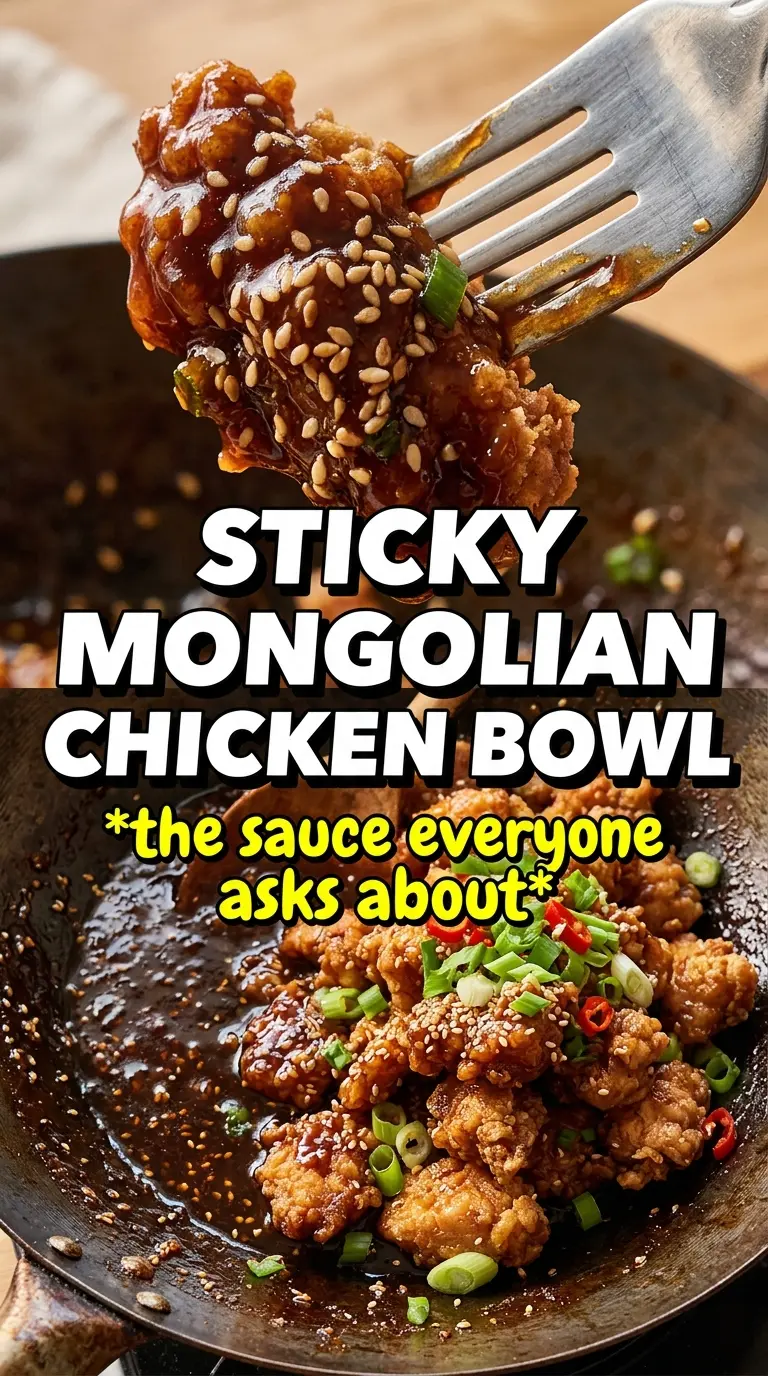
- Cornstarch — This does two jobs. First, it creates the light crust on the chicken, and second, it thickens the sauce at the end without making it heavy. A flour coating won’t give the same slick, crisp finish.
- Soy sauce — Use a regular soy sauce here, not low-sodium if yours tends to taste flat in stir-fries. It brings the salty backbone that keeps the sauce from reading as plain sweet glaze.
- Brown sugar — This is what gives the sauce its sticky, takeout-style body and that deep caramel note. White sugar will work in a pinch, but the flavor will be thinner and less rounded.
- Hoisin sauce — Just a tablespoon adds depth and a little savory sweetness that makes the sauce taste finished. If you skip it, the sauce still works, but it loses some of the dark, restaurant-style complexity.
- Fresh ginger and garlic — Fresh is worth it here. Powder won’t give you the same punchy, fragrant bite that keeps this from tasting one-note.
Building the Glaze Without Turning the Chicken Soggy
Coating and Searing the Chicken
Toss the sliced chicken until every piece looks dusted, not clumpy. The cornstarch should cling in a thin, even layer; if you see dry patches, the sauce won’t hold evenly later. Get the oil hot before the chicken goes in, then leave the pieces alone long enough to form a golden crust on the first side. If you stir too early, the coating tears and you lose the crisp edges that make this dish worth making.
Cooking the Aromatics in the Browned Bits
Once the chicken comes out, the pan should still have a thin film of oil and a few browned spots on the bottom. That’s the flavor base. Garlic and ginger only need about 30 seconds, just until fragrant, because they can burn fast in a hot pan and turn bitter. As soon as they smell sharp and warm, pour in the sauce so they stop cooking and start loosening those browned bits.
Thickening the Sauce to a Glossy Finish
Bring the sauce to a boil before you add the slurry. Then stir in the cornstarch mixture and watch for the change: it goes from thin and glossy to slightly thicker and almost syrupy in a minute or two. Return the chicken right away and toss just until coated. The green onions go in at the very end so they pick up a little blistered char without losing all structure.
Three Smart Ways to Adjust Mongolian Chicken
Make It Gluten-Free Without Losing the Sticky Finish
Swap in a gluten-free soy sauce or tamari and use a gluten-free hoisin if needed. The sauce will still thicken the same way because the cornstarch is doing that work, and the flavor stays close to the original. Just check the hoisin label, since that’s usually the ingredient that sneaks in wheat.
Use Chicken Thighs for a Richer Bite
Boneless thighs work well if you want a juicier result and a little more forgiveness in the pan. They take a touch longer to cook, but they hold up beautifully in the sauce and stay tender even if you cook them a minute too long. The texture turns slightly richer and less lean than chicken breast.
Dial Down the Heat for a Milder Family Version
Cut the red pepper flakes in half or leave them out entirely. You’ll still get the ginger, garlic, and brown sugar balance, just without the little burn at the back of the throat. If you like heat at the table, serve chili oil or crushed red pepper on the side instead of building it into the sauce.
Storage and Reheating
- Refrigerator: Store leftovers for up to 4 days. The sauce thickens as it chills, and the chicken softens a bit, but the flavor holds well.
- Freezer: It freezes reasonably well for up to 2 months, though the chicken will be a little softer after thawing. Freeze in a flat container with the sauce so it reheats evenly.
- Reheating: Warm gently in a skillet over medium-low heat with a splash of water to loosen the sauce. The common mistake is blasting it in the microwave until the chicken turns rubbery and the sauce goes sticky in the wrong way.
Answers to the Questions Worth Asking
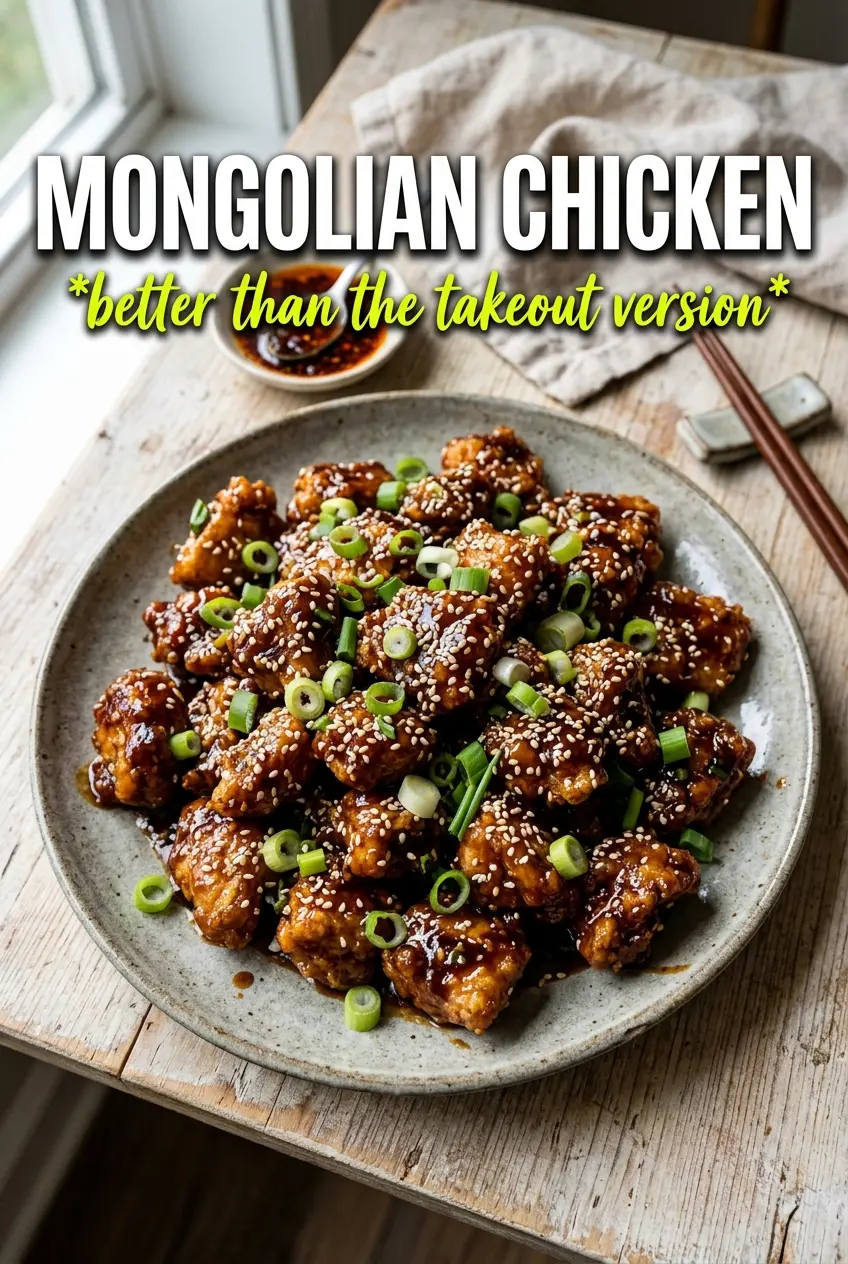
Mongolian Chicken
Ingredients
Equipment
Method
- Toss the thinly sliced chicken with the cornstarch, salt, and pepper until every piece is coated, with no dry starch showing.
- Whisk together the soy sauce, brown sugar, water, hoisin sauce, sesame oil, and red pepper flakes until the sugar looks dissolved and the sauce turns smooth.
- Heat the vegetable oil in a large skillet or wok over high heat until shimmering, then add the chicken in a single layer.
- Cook the chicken for 3-4 minutes per side until deeply golden and cooked through, then remove to a plate and keep warm.
- Add the garlic and grated ginger to the same pan and stir-fry for 30 seconds until fragrant and lightly sizzling.
- Pour in the prepared sauce and bring it to a boil, scraping up any browned bits from the pan.
- Stir in the cornstarch slurry and cook for 1-2 minutes until thickened and glossy, with the sauce clinging to the spatula.
- Return the chicken to the pan and toss with the green onion pieces until the onions begin to char at the edges and the chicken is fully glazed.
- Serve the sticky Mongolian chicken over steamed white rice, then top with sesame seeds so they cling to the glossy sauce.