Golden seared chicken over buttery mashed potatoes is the kind of dinner that disappears fast, even when nobody at the table thought they were that hungry. The chicken stays juicy under a crisp, herb-flecked crust, and the pan sauce pulls everything together with just enough garlic and browned-bit flavor to taste like you put in more work than you did.
What makes this version work is the order. The potatoes get cooked first and held warm so they stay fluffy, while the chicken sears hard enough to build color before the heat gets lowered for the sauce. That same pan carries the whole dish, which means the broth picks up all the good drippings instead of tasting thin or separate.
Below, I’ve included the small details that keep the chicken from drying out and the potatoes from turning gluey. If you’ve ever had a pan sauce break or mashed potatoes land heavy instead of light, the notes here will help.
The chicken got a deep golden crust, and the garlic pan sauce picked up all those browned bits without turning greasy. I used the warmed cream in the potatoes like you suggested, and they came out light instead of heavy.
Save this garlic herb chicken and mashed potatoes dinner for the nights when you want a seared, saucy skillet meal with almost no cleanup.
The Reason the Chicken Stays Juicy Instead of Turning Dry
The biggest mistake with chicken breast is treating it like it needs a long cook to be safe. It doesn’t. What it needs is a hot pan, enough fat to promote browning, and a fast finish once the center hits temperature. If the heat is too low, the outside goes pale before the inside is done. If the pan is crowded, the chicken steams and the crust never forms.
In this dish, the herb-and-spice coating does more than season the meat. It helps build that deep savory crust in the skillet, and the garlic powder is especially useful because it toasts into the chicken rather than burning like fresh garlic would. The pan sauce then uses the browned bits left behind, which is where the real depth comes from.
- Chicken breasts — Boneless, skinless breasts work best here because they sear cleanly and slice neatly over the potatoes. If yours are very thick, pound them lightly so they cook at the same pace and don’t dry out at the edges before the center is done.
- Garlic powder, thyme, rosemary, and smoked paprika — This mix gives you a crust that tastes layered without needing a marinade. Smoked paprika adds color and a gentle smoky edge, while dried herbs hold up better to high heat than fresh ones in the seasoning step.
- Olive oil and butter — Oil gives you the sear; butter gives you flavor. The two-stage fat approach matters because butter alone would brown too fast during the initial sear, but it’s perfect for finishing the sauce.
What Each Ingredient Is Doing in the Mash and Sauce
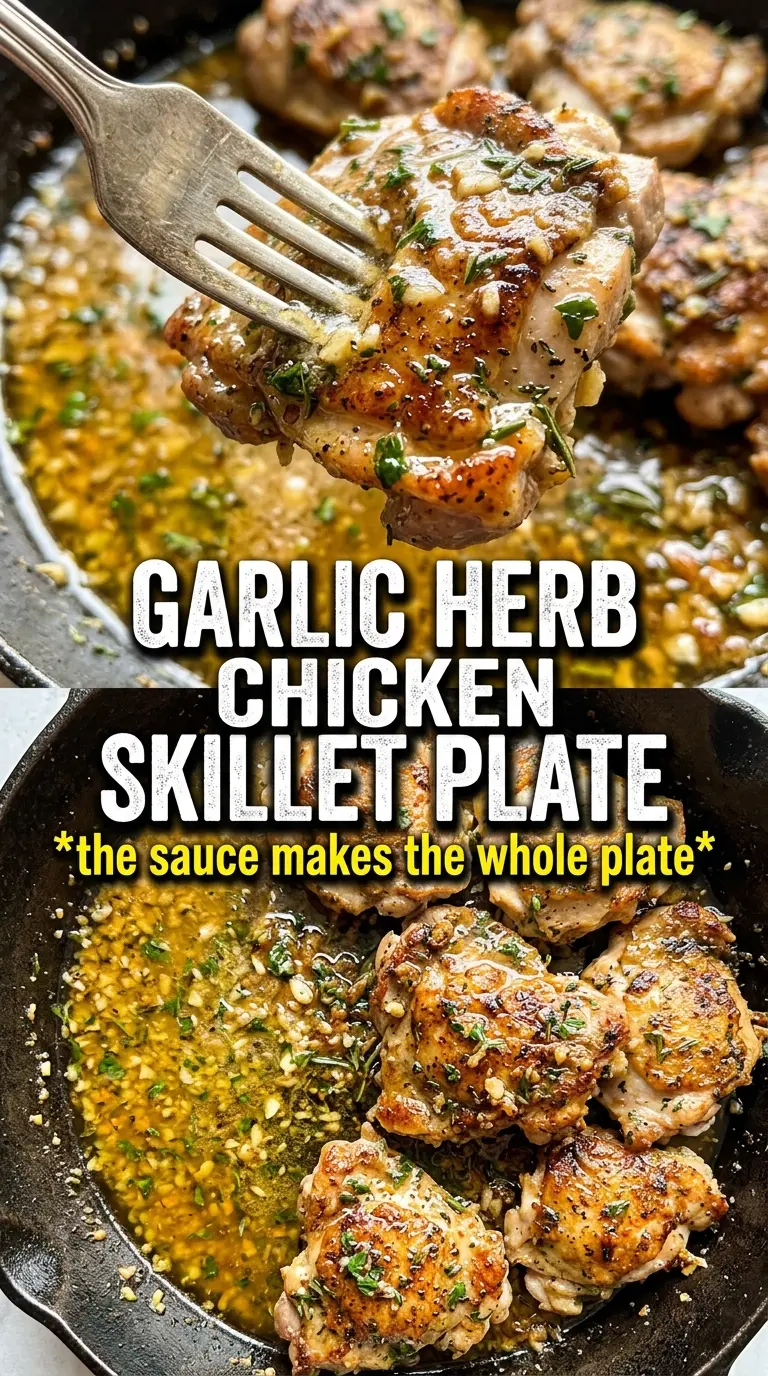
- Yukon Gold potatoes — These are the best choice for mashed potatoes because they break down into a naturally creamy texture without turning gluey. Russets work in a pinch, but they’re drier and need a little more care with the mixing.
- Warm cream or milk — Warmed dairy keeps the potatoes fluffy instead of cooling them down and tightening the starch. Cold liquid is one of the fastest ways to end up with dense mash.
- Fresh garlic in the sauce — Fresh garlic belongs in the sauce, not the chicken seasoning, because it cooks gently in butter and broth. Cook it just long enough to smell sweet and fragrant; if it browns too much, it turns sharp and bitter.
- Chicken broth — This loosens the pan drippings into a sauce that tastes like the chicken itself. Water will thin it out, but it won’t carry the same savory backbone.
- Fresh parsley — This is the finishing touch that keeps the plate from tasting heavy. It doesn’t need to be fancy, just freshly chopped so the garnish tastes bright instead of dusty.
The 20 Minutes That Matter Most in the Skillet
Boiling and Mashing the Potatoes
Start the potatoes in well-salted water and cook them until a fork slips in without resistance. Drain them well, then mash while they’re still hot so the butter melts right in and the texture stays smooth. If you overwork them with a mixer or food processor, they can turn sticky; a hand masher keeps them light. Add the warmed cream a little at a time until the mash looks fluffy and holds its shape without feeling stiff.
Getting the Chicken Brown Before the Pan Gets Crowded
Pat the chicken dry before seasoning it, because surface moisture is what kills browning. When the oil is hot, lay the chicken in and leave it alone until it releases easily and the bottom has a deep golden crust. If it sticks, it usually needs another minute. Flip it only once, then cook until the thickest part reaches 165°F and the juices run clear, not pink.
Turning the Brown Bits Into Sauce
After the chicken comes out, lower the heat before you add the butter and garlic. That’s the point where people rush and scorch the garlic, which makes the sauce taste harsh. Stir in the broth and scrape the pan with a wooden spoon so the browned bits dissolve into the liquid. Let it simmer just until it turns lightly glossy and slightly reduced; you want enough body to coat the chicken, not a thick gravy.
Plating So Everything Stays Hot
Spoon the potatoes onto the plate first, then set the chicken on top so the sauce can run down into the mash. Drizzle the sauce over the chicken while it’s still hot from the pan. A little parsley at the end adds color and keeps the dish from looking flat. Serve it right away, while the crust still has a little texture.
How to Adapt This for a Different Table
Make it dairy-free without losing the creamy finish
Use a plant-based butter and unsweetened oat milk or almond milk in the mashed potatoes, then make the pan sauce with olive oil instead of butter. The result won’t be quite as rich, but it still comes together with a silky texture and plenty of garlic flavor.
Swap in chicken thighs for a more forgiving cut
Boneless skinless thighs stay juicier and are a little more forgiving if you’re nervous about overcooking. They’ll need a few extra minutes in the skillet, and the final flavor lands a bit richer and darker than chicken breast.
Use russet potatoes if that’s what you have
Russets make a lighter, fluffier mash, but they can dry out faster if you add too much liquid too quickly. Mash them gently and stop as soon as they look smooth, since extra mixing can make them pasty.
Make it gluten-free with no changes at all
This recipe is naturally gluten-free as written, as long as your chicken broth is certified gluten-free. That’s one of the nice things about a skillet dinner like this: the flavor comes from technique, not flour.
Storage and Reheating
- Refrigerator: Store the chicken, mashed potatoes, and sauce in separate airtight containers for up to 3 days. The potatoes will firm up as they chill, which is normal.
- Freezer: The chicken freezes well for up to 2 months, but the mashed potatoes can become grainy after thawing. If you do freeze the potatoes, expect a softer texture and reheat with a splash of milk.
- Reheating: Warm the chicken covered in a 300°F oven until hot, and reheat the potatoes slowly on the stove or in the microwave with a little milk or cream. The common mistake is blasting everything on high heat, which dries out the chicken and makes the potatoes gluey.
Answers to the Questions Worth Asking
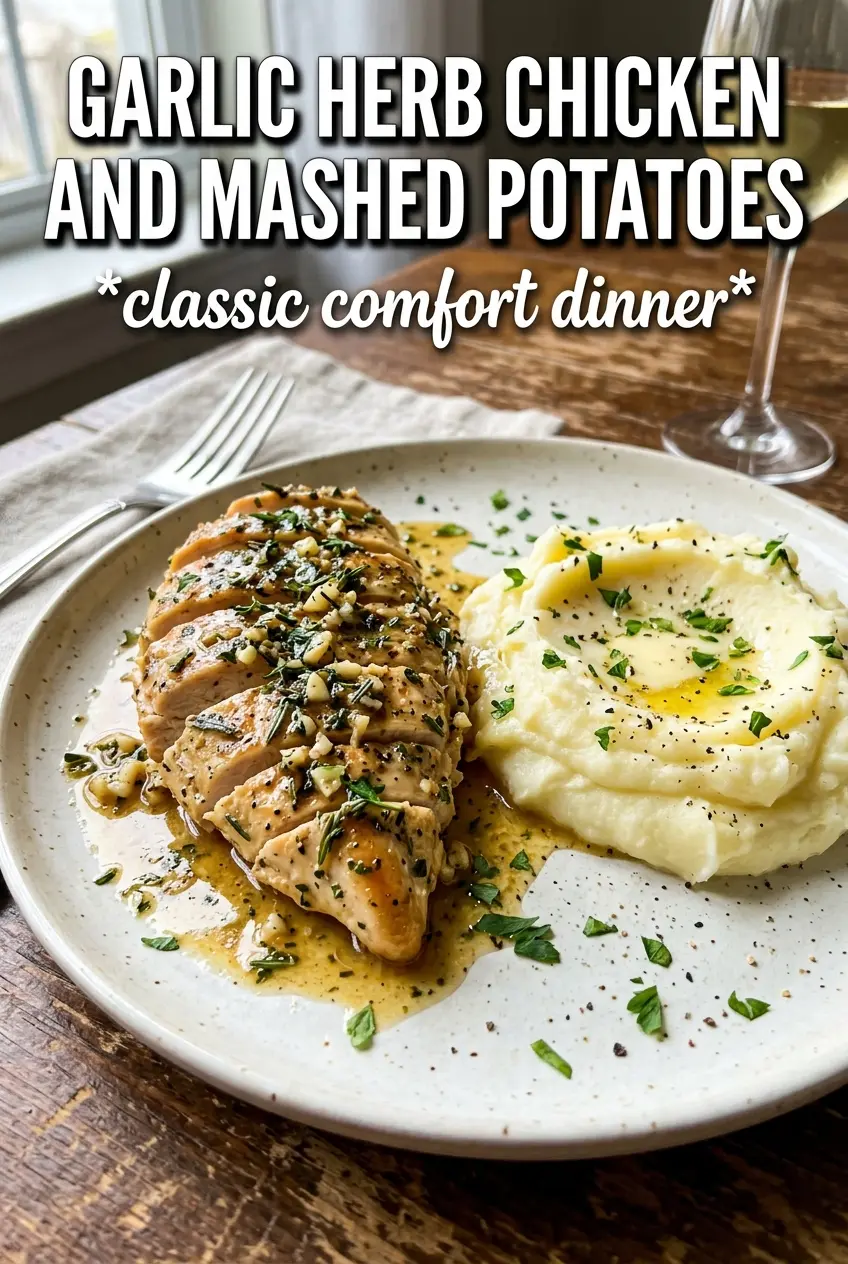
Garlic Herb Chicken Breast with Mashed Potatoes
Ingredients
Equipment
Method
- Boil peeled and cubed Yukon Gold potatoes in salted water for 15-18 minutes until fork-tender, steaming and easily yielding to a fork.
- Drain the potatoes well and mash with 4 tbsp butter, warmed heavy cream (or whole milk), salt, pepper, and garlic powder until smooth and fluffy; keep warm covered so they stay steamy.
- Season both sides of chicken breasts with garlic powder, smoked paprika, dried thyme, dried rosemary, salt, and pepper until evenly coated.
- Heat olive oil in a skillet over medium-high heat and sear chicken for 5-6 minutes per side until golden and cooked through to 165°F, then remove to a plate.
- Melt 2 tbsp butter in the same pan, then cook minced garlic for 1 minute until fragrant and lightly sizzling.
- Add chicken broth and scrape up the browned bits from the pan, then simmer for 2-3 minutes until a simple pan sauce forms and lightly coats the back of a spoon.
- Spoon mashed potatoes onto plates and place the seared chicken on top, fanning slightly if desired.
- Drizzle the garlic herb pan sauce over the chicken and mashed potatoes so the plate looks glossy.
- Scatter fresh parsley over the top for a bright finish.