Cattle Drive Casserole lands in that sweet spot between hearty comfort food and weeknight practicality. You get seasoned beef, beans, corn, and tomatoes tucked under a golden biscuit or crescent topping, then finished with enough cheddar to melt into the filling and brown at the edges. Every scoop comes out thick, smoky, and substantial, with the top giving you that satisfying pull-apart texture instead of a soggy crust.
What makes this version work is restraint in the skillet and confidence in the bake. The beef mixture gets simmered long enough for the taco seasoning to bloom and the excess liquid to cook off, which keeps the bottom layer from turning soupy under the dough. Sour cream goes in off the heat so it stays creamy instead of splitting, and the cheese is divided so some melts into the filling while the rest forms that stretchy, browned top everyone wants.
Below, I’ve included the little details that keep the biscuit layer from getting gummy, plus a few practical swaps if you’re working with what’s already in the pantry.
The biscuit top baked up golden instead of doughy, and the filling held together perfectly when I scooped it out. My kids went back for seconds, which never happens with casseroles at my house.
Save this Cattle Drive Casserole for the nights when you want a cheesy beef bake with a biscuit top that turns crisp at the edges and stays tender underneath.
The Difference Between a Golden Top and a Doughy Middle
The biggest risk with a casserole like this is trapping too much moisture under the dough. If the beef mixture is loose or watery when the topping goes on, the bottom of the biscuit layer steams instead of bakes. That’s why the skillet filling needs a short simmer before the sour cream and cheese go in. You want a thick, spoonable base that holds its shape when you drag a spoon through it.
The other thing that matters is where the heat goes. The filling starts hot, the oven finishes the dough, and the cheese on top helps shield the surface so it browns instead of scorching. If the edges are bubbling and the center still looks pale, give it a few more minutes. A browned top with a little lift around the seams tells you the inside has cooked through.
What Each Ingredient Is Actually Doing in This Casserole
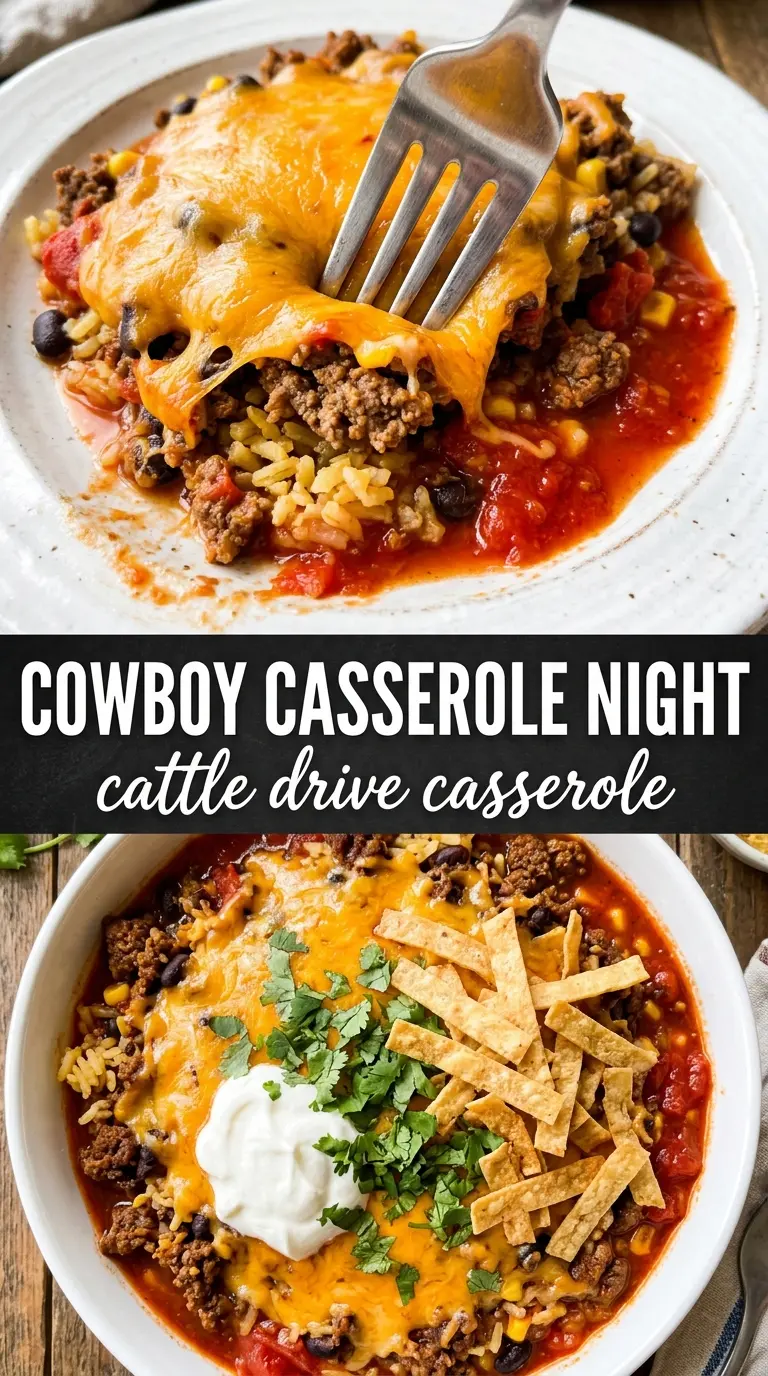
- Ground beef — This is the backbone of the casserole, and it needs to be browned well before anything else goes in. That browning gives you the savory base the beans and corn can’t provide. An 85/15 or 90/10 blend works best; anything much fattier can leave the filling greasy unless you drain it carefully.
- Taco seasoning — This is doing more than adding spice. It seasons the beef, beans, and tomatoes at once and gives the filling that familiar Tex-Mex backbone. A homemade blend works too, but it should still include chili powder, cumin, garlic, and a little salt.
- Rotel tomatoes — These bring acidity, heat, and moisture in one can. Regular diced tomatoes will work in a pinch, but they won’t give the same peppery bite, so add a pinch of chili flakes or a little diced green chile if you go that route. Drain nothing here; the liquid helps the filling simmer into itself.
- Kidney beans and corn — The beans make the casserole hearty enough to stand on its own, and the corn adds little bursts of sweetness that keep the filling from tasting flat. Canned is fine for both, as long as you drain them well. If you use black beans instead, the dish gets a little softer and earthier.
- Sour cream — Stir it in off the heat so it stays silky. If the pan is boiling when it goes in, it can separate and turn grainy. Greek yogurt can work, but it gives a tangier finish and slightly tighter texture.
- Sharp cheddar — Sharp cheddar matters here because it keeps its flavor under the biscuit topping. Mild cheddar melts fine but tastes flatter against the seasoned beef. Shred it yourself if you can; pre-shredded cheese melts less smoothly because of the anti-caking coating.
- Crescent roll dough or biscuits — This is the part that changes the whole casserole. Crescent dough gives you a softer, more buttery lid, while biscuits bake into a thicker, more bread-like top. Either works, but the dough should be laid on in a single layer with the edges pressed together so the filling doesn’t leak through.
Building the Skillet So the Bottom Layer Stays Thick
Brown the beef until the pan is dry, not just gray
Cook the ground beef over medium-high heat until the pink is gone and the bits on the bottom of the pan have turned deep brown. That color is flavor, and it keeps the casserole from tasting flat. Drain off the excess fat before you add anything else, because a greasy base can make the whole dish feel heavy.
Simmer the filling until it mounds on a spoon
Once the beans, corn, Rotel, and taco seasoning go in, let the mixture bubble for about five minutes. You’re looking for the liquid to reduce and thicken slightly, not boil away completely. If it still looks soupy, keep it on the heat a minute or two longer; the oven will only thicken it a little more.
Add the dairy after the heat comes off
Take the skillet off the burner before stirring in the sour cream and one cup of cheddar. This keeps the sour cream smooth and stops the cheese from getting stringy or grainy. The filling should turn creamy and hold together, with no puddle of liquid around the edges.
Seal the topping and bake until the center is set
Lay the crescent dough or biscuits over the filling and press the seams together so the topping acts like one lid. Sprinkle on the remaining cheese, then bake until the top is golden and the filling is bubbling at the sides. If the top browns too quickly before the center is hot, tent it loosely with foil for the last few minutes.
How to Change This Without Losing the Heart of It
Use biscuit dough for a sturdier, more filling-heavy casserole
Biscuits bake into a thicker top with more chew, which works well if you want this to eat like a full casserole rather than a bake with pastry on top. The tradeoff is that biscuits can take a minute or two longer than crescent dough, so watch for a deep golden top and bubbling edges before pulling it from the oven.
Make it gluten-free with a certified GF dough
The filling is naturally gluten-free, so the only swap you need is the topping. Use a gluten-free refrigerated dough that bakes well on top of casseroles, and expect a slightly more delicate crust. Let the casserole rest for 10 minutes after baking so the filling firms up before you scoop.
Swap in black beans and pepper jack for a spicier edge
Black beans make the filling a little softer and earthier, while pepper jack adds heat and a smoother melt than cheddar alone. This version tastes a touch sharper and more Tex-Mex leaning, which works well if you like more kick without changing the basic method.
Stretch it for a bigger crowd with extra vegetables
Add a diced bell pepper or a small onion when you brown the beef if you want more volume without making the casserole heavier. Cook the vegetables until they soften so they don’t release extra water in the oven. This is the easiest way to feed more people without losing the hearty, beef-first feel of the dish.
Storage and Reheating
- Refrigerator: Keep leftovers covered for up to 4 days. The topping softens a bit in the fridge, but the filling stays sturdy.
- Freezer: This freezes well if you bake it first, cool it completely, and wrap individual portions tightly. The biscuit layer loses some crispness after freezing, but the flavor holds up.
- Reheating: Warm slices in a 350°F oven, covered loosely with foil, until the center is hot. The common mistake is using the microwave straight from the fridge, which makes the topping chewy and the filling unevenly heated.
Questions I Get Asked About This Recipe
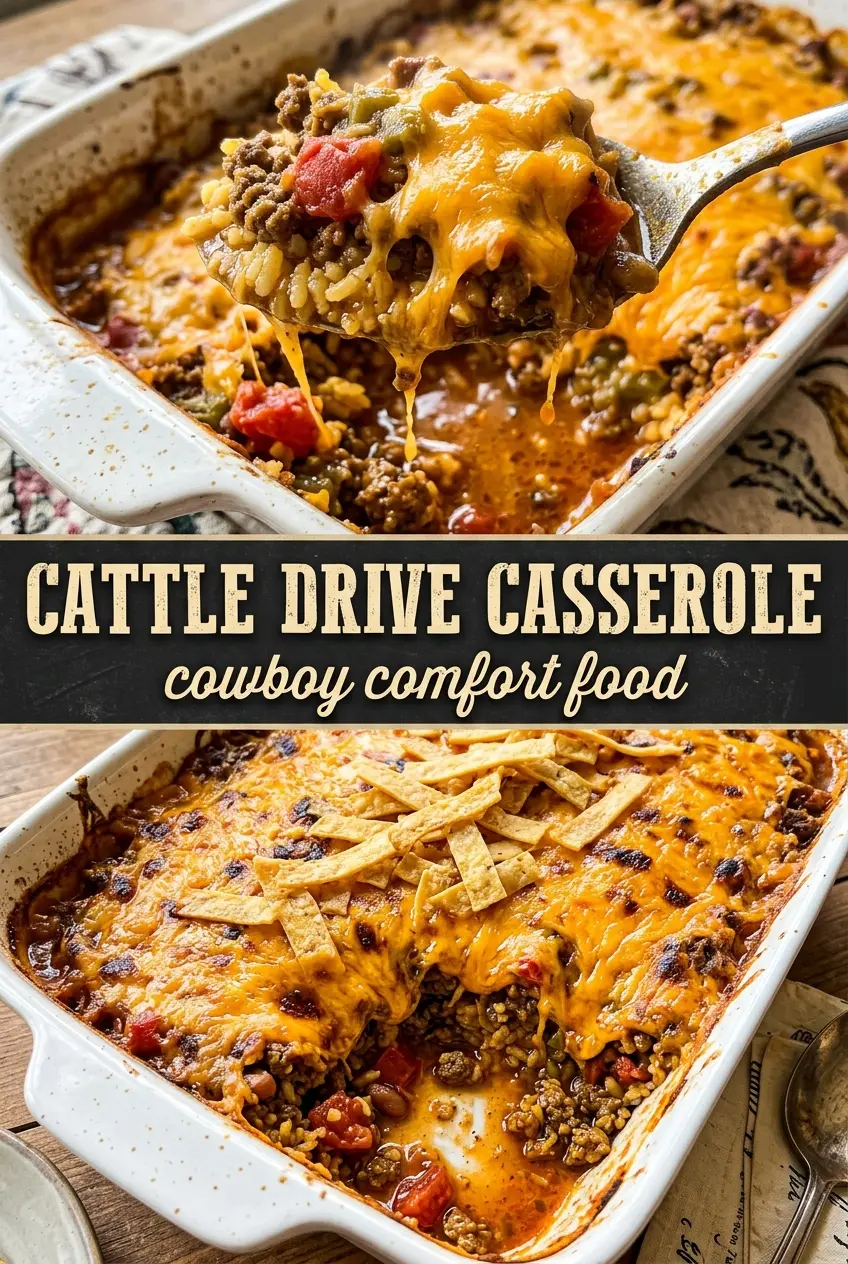
Cattle Drive Casserole
Ingredients
Equipment
Method
- Preheat oven to 375°F.
- Brown ground beef in a large oven-safe skillet over medium-high heat, then drain excess fat, until no longer pink. You should see browned bits stuck to the skillet surface.
- Add taco seasoning, kidney beans, corn, and Rotel tomatoes to the beef and stir to combine. Simmer for 5 minutes, until the mixture looks thick and evenly seasoned.
- Remove from heat and stir in sour cream and 1 cup cheddar cheese, mixing until smooth and creamy-looking.
- Unroll crescent dough or lay biscuits over the top of the beef mixture and press the edges to seal. The top should fully cover the filling.
- Sprinkle remaining cheddar over the dough, then bake for 18–22 minutes at 375°F until biscuits are golden and the filling is bubbling at the edges. Look for visible steam and a bubbling ring around the casserole.